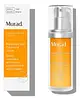
This brightening serum is formulated around Glycolic Acid and Tranexamic Acid to fade the look of dark spots and brighten dull-looking skin.
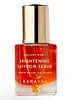
This brightening serum is formulated around Glycyrrhiza Glabra Root Extract to brighten dull-looking skin and fade the look of dark spots.

What's inside
What's inside
 Key Ingredients
Benefits
Concerns
Ingredients Side-by-side
Water
Skin ConditioningAlcohol Denat.
Antimicrobial




Glycolic Acid
Buffering









Butylene Glycol
Humectant

Glycerin
Humectant
Methyl Gluceth-20
Humectant
Tranexamic Acid
Astringent


4-Ethylresorcinol
AntimicrobialHexapeptide-2
Bleaching
Rice Amino Acids
Skin Conditioning
Urea
Buffering
Yeast Amino Acids
HumectantTrehalose
Humectant
Inositol
Humectant
Taurine
BufferingBetaine
Humectant
Zinc Gluconate
Skin Conditioning
Dipotassium Glycyrrhizate
Humectant
Allantoin
Skin Conditioning
Hydroxyethylcellulose
Emulsion StabilisingSodium Metabisulfite
Antioxidant

Sodium Sulfite
Preservative
Sodium Hydroxide
BufferingPPG-26-Buteth-26
Skin ConditioningPEG-40 Hydrogenated Castor Oil
Emulsifying
Polyquaternium-4
Disodium EDTA
ChelatingLimonene
Perfuming

Benzyl Salicylate
Perfuming
Linalool
Perfuming
Parfum
Masking
Water, Alcohol Denat., Glycolic Acid, Butylene Glycol, Glycerin, Methyl Gluceth-20, Tranexamic Acid, 4-Ethylresorcinol, Hexapeptide-2, Rice Amino Acids, Urea, Yeast Amino Acids, Trehalose, Inositol, Taurine, Betaine, Zinc Gluconate, Dipotassium Glycyrrhizate, Allantoin, Hydroxyethylcellulose, Sodium Metabisulfite, Sodium Sulfite, Sodium Hydroxide, PPG-26-Buteth-26, PEG-40 Hydrogenated Castor Oil, Polyquaternium-4, Disodium EDTA, Limonene, Benzyl Salicylate, Linalool, Parfum
Sesamum Indicum Seed Oil
Emollient
Oryza Sativa Bran Oil
Emollient
Caprylic/Capric Triglyceride
Masking
Rubia Cordifolia Stem Extract
HumectantCrocus Sativus Callus Extract
Antioxidant
Tocopherol
Antioxidant
Rosa Damascena Flower
Skin ConditioningWater
Skin ConditioningGlycine Soja Oil
Emollient
Berberis Aristata Root Extract
Skin ConditioningCurcuma Longa Root Extract
Antioxidant
Glycyrrhiza Glabra Root Extract
Bleaching
Nelumbo Nucifera Flower Extract
Skin ConditioningVetiveria Zizanoides Root Extract
Perfuming
Symplocos Racemosa Bark Extract
HumectantBrassica Juncea Seed Extract
Skin ConditioningCyperus Rotundus Root Extract
Skin ConditioningMesua Ferrea Flower Extract
Skin ConditioningPrunus Cerasoides Extract
Butea Monosperma Flower Extract
Callicarpa Macrophylla Fruit Extract
Skin ConditioningInula Racemosa Root Extract
Skin ConditioningFicus Benghalensis Bark/Bud Extract
Preservative
Rosa Damascena Flower Oil
Masking
Geraniol
Perfuming
Eugenol
Perfuming
Citral
Perfuming
Citronellol
Perfuming
Limonene
Perfuming
Alpha-Terpinene
Perfuming
L-Alpha-Pinene
Perfuming
L-Beta-Pinene
Perfuming
Farnesol
Perfuming
Geranyl Acetate
Perfuming
Linalool
Perfuming
Neral
Perfuming
Sesamum Indicum Seed Oil, Oryza Sativa Bran Oil, Caprylic/Capric Triglyceride, Rubia Cordifolia Stem Extract, Crocus Sativus Callus Extract, Tocopherol, Rosa Damascena Flower, Water, Glycine Soja Oil, Berberis Aristata Root Extract, Curcuma Longa Root Extract, Glycyrrhiza Glabra Root Extract, Nelumbo Nucifera Flower Extract, Vetiveria Zizanoides Root Extract, Symplocos Racemosa Bark Extract, Brassica Juncea Seed Extract, Cyperus Rotundus Root Extract, Mesua Ferrea Flower Extract, Prunus Cerasoides Extract, Butea Monosperma Flower Extract, Callicarpa Macrophylla Fruit Extract, Inula Racemosa Root Extract, Ficus Benghalensis Bark/Bud Extract, Rosa Damascena Flower Oil, Geraniol, Eugenol, Citral, Citronellol, Limonene, Alpha-Terpinene, L-Alpha-Pinene, L-Beta-Pinene, Farnesol, Geranyl Acetate, Linalool, Neral
Reviews
Alternatives
Ingredients Explained
These ingredients are found in both products.
Ingredients higher up in an ingredient list are typically present in a larger amount.
Limonene is the compound that gives citrus peel its smell.
In skincare, it shows up as a standalone fragrance ingredient or as a natural compound of citrus and other essential oils.
You'll typically see this ingredient used in very small amounts; anything above 0.001% in a leave-on product or 0.01% in a rinse-off has to be named on the label in the EU. The citrus oils that carry it sit around 0.5-1% in a finished formula.
Fresh limonene is a weak allergen; the real issue is that it slowly reacts with air and then breaks down from oxidation to create hydroperoxides (which are strong sensitizers). This is why suppliers are required to keep the peroxide value below 20 mmol.
Positive reactions in people being investigated for eczema vary:
It's worth skipping if you have a known fragrance allergy or a compromised barrier, but the risk is low for most people.
Older or long-opened products are also more likely to bother you than fresh ones due to oxidation.
Learn more about LimoneneLinalool is a small, naturally occurring scent molecule found in plants like lavender, coriander, bergamot, and more.
It is one of the two most-used fragrance ingredients in cosmetics and added purely for smell. Since it's not used for a skin benefit, there's no "effective dose". Concentration depends on the fragrance load of the product.
The EU requires it to be named on the label above 0.001% in leave-on and 0.01% in rinse-off products.
Fresh linalool is a weak sensitizer but air exposure turns some of it into hydroperoxides, which are strong sensitizers. Those oxidation products are the actual allergy concern.
Patch-test clinics see positive reactions to linalool hydroperoxides in about 4% to 12% of dermatitis patients depending on country and test concentration.
Resassuringly, one analytical study found hydroperoxide levels in real fragranced products to be orders of magnitude below what induced sensitization in animal studies with no evidence of oxidation building up during normal storage.
The practical takeaway is that linalool is fine for most people but worth avoiding if you have a confirmed fragrance contact allergy or a badly compromised barrier.
Products stored a long time after opening are also the high-risk scenario since that is when oxidation happens.
The scent of linalool is described as floral, spicy tropical, and citrus-like.
Learn more about LinaloolWater. It's the most common cosmetic ingredient of all. You'll usually see it at the top of ingredient lists, meaning that it makes up the largest part of the product.
So why is it so popular? Water most often acts as a solvent - this means that it helps dissolve other ingredients into the formulation.
You'll also recognize water as that liquid we all need to stay alive. If you see this, drink a glass of water. Remember to stay hydrated!
Learn more about Water

