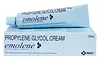
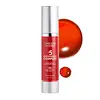
MSD Emolene Propylene Glycol Cream Versus Conscious Chemist +5 Antioxidants Complex Rapid Glow & Brightening Essence
This barrier-repair moisturizer is formulated around Urea to strengthen the skin barrier and hydrate skin.
This brightening essence is formulated around Camellia Sinensis Leaf Extract and 3-O-Ethyl Ascorbic Acid to brighten dull-looking skin and soften the look of wrinkles.

What's inside
What's inside
 Key Ingredients
Benefits
Concerns
Ingredients Side-by-side
Propylene Glycol
Humectant


Urea
Buffering


Lecithin
Emollient
Magnesium Aluminum Silicate
Absorbent
Carbomer
Emulsion StabilisingGlycerin
Humectant
Sodium Hydroxide
BufferingCaprylic/Capric Triglyceride
Masking
Dimethicone
Emollient
Squalene
Emollient
PEG-40 Stearate
Emulsifying
Stearic Acid
Cleansing
Glycol Stearate
Emollient
Glyceryl Stearate
Emollient
Cetyl Alcohol
Emollient
Myristyl Myristate
Emollient
Oleth-10 Carboxylic Acid
CleansingBHA
Antioxidant
Toluene
Antioxidant
Water
Skin ConditioningEDTA
Propylene Glycol, Urea, Lecithin, Magnesium Aluminum Silicate, Carbomer, Glycerin, Sodium Hydroxide, Caprylic/Capric Triglyceride, Dimethicone, Squalene, PEG-40 Stearate, Stearic Acid, Glycol Stearate, Glyceryl Stearate, Cetyl Alcohol, Myristyl Myristate, Oleth-10 Carboxylic Acid, BHA, Toluene, Water, EDTA
Water
Skin ConditioningPropylene Glycol
Humectant
Camellia Sinensis Leaf Extract
Antimicrobial




Sodium Hydroxide
BufferingPEG-40 Hydrogenated Castor Oil
Emulsifying
PPG-5-Ceteth-20
EmulsifyingCarbomer
Emulsion Stabilising3-O-Ethyl Ascorbic Acid
Skin Conditioning
Acrylates/C10-30 Alkyl Acrylate Crosspolymer
Emulsion StabilisingAllantoin
Skin Conditioning
Astaxanthin
Skin Conditioning
Tocopheryl Acetate
Antioxidant
Sodium Hyaluronate
Humectant
Retinol
Skin Conditioning



Ubiquinone
Antioxidant
Pentaerythrityl Tetra-Di-T-Butyl Hydroxyhydrocinnamate
Antioxidant
Phenoxyethanol
Preservative
Parfum
Masking

Water, Propylene Glycol, Camellia Sinensis Leaf Extract, Sodium Hydroxide, PEG-40 Hydrogenated Castor Oil, PPG-5-Ceteth-20, Carbomer, 3-O-Ethyl Ascorbic Acid, Acrylates/C10-30 Alkyl Acrylate Crosspolymer, Allantoin, Astaxanthin, Tocopheryl Acetate, Sodium Hyaluronate, Retinol, Ubiquinone, Pentaerythrityl Tetra-Di-T-Butyl Hydroxyhydrocinnamate, Phenoxyethanol, Parfum
Reviews
Ingredients Explained
These ingredients are found in both products.
Ingredients higher up in an ingredient list are typically present in a larger amount.
Carbomer is a synthetic thickening and gelling agent. It's basically the ingredient that gives a lot of serums, gels, creams, and sunscreens their smooth, non-sticky texture.
Although legally permitted at very high levels, carbomers are normally used at concentrations below 1%.
It also needs to be neutralized to actually thicken, and because it is a large molecule, it doesn't really penetrate the skin barrier.
Allergy-wise, the risk is very low. Clinical studies show carbomers have low potential for skin irritation/sensitization even at concentrations up to 100%.
A 2024 UK study patch-tested 1,302 patients and found true allergy to the parent group of carbomer to be rare with no confirmed relevant reactions.
Learn more about CarbomerPropylene Glycol is a synthetic, colorless, odorless liquid that has been a staple in cosmetics for decades. It is a skin conditioning agent, humectant, and solvent.
As a humectant, it draw water to the skin to reduce flaking and restore suppleness. It's also a solvent that helps dissolve other actives and keeps formulas stable across temperature changes.
The CIR Expert Panel has confirmed this ingredient to be nontoxic and clinical studies show no sensitization at cosmetic use concentrations.
True allergic reactions are quite rare: a 15-year retrospective study of 6,751 patients found only 0.31% had a positive reaction (and less than half were considered clinically relevant).
It seemed that when sensitization does occur, it's most commonly linked to topical medication (like corticosteroids) and not cosmetics. Allergic contact dermatitis also appears largely limited to individuals with underlying skin conditions.
Overall, propylene glycol is a well-studied ingredient that most people can tolerate without issue.
Learn more about Propylene GlycolSodium Hydroxide is also known as lye or caustic soda. It is used to adjust the pH of products; many ingredients require a specific pH to be effective.
In small amounts, sodium hydroxide is considered safe to use. However, large amounts may cause chemical burns due to its high alkaline.
Your skin has a natural pH and acid mantle. This acid mantle helps prevent harmful bacteria from breaking through. The acid mantle also helps keep your skin hydrated.
"Alkaline" refers to a high pH level. A low pH level would be considered acidic.
Learn more about Sodium HydroxideWater. It's the most common cosmetic ingredient of all. You'll usually see it at the top of ingredient lists, meaning that it makes up the largest part of the product.
So why is it so popular? Water most often acts as a solvent - this means that it helps dissolve other ingredients into the formulation.
You'll also recognize water as that liquid we all need to stay alive. If you see this, drink a glass of water. Remember to stay hydrated!
Learn more about Water

