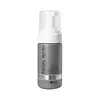
This salicylic acid gel cleanser is formulated around Salicylic Acid to clear breakouts and unclog pores.

What's inside
What's inside
 Key Ingredients
Benefits
Concerns
Ingredients Side-by-side
Potassium Cocoate
Emulsifying


Potassium Cocoyl Glycinate
Surfactant
Glycerin
Humectant


Sodium PCA
Humectant
Niacinamide
Smoothing








Parfum
Masking



Collagen
Moisturising
Glycyrrhiza Glabra Root Extract
Bleaching
Alpha-Arbutin
Antioxidant

Phenoxyethanol
Preservative
Aloe Barbadensis Extract
Skin Conditioning
Papain
Skin Conditioning
Palmitoyl Hydroxypropyltrimonium Amylopectin/Glycerin Crosspolymer
Skin ConditioningHydrogenated Lecithin
Emulsifying
Tocopheryl Acetate
Antioxidant
CI 19140
Cosmetic ColorantCI 42090
Cosmetic ColorantPotassium Cocoate, Potassium Cocoyl Glycinate, Glycerin, Sodium PCA, Niacinamide, Parfum, Collagen, Glycyrrhiza Glabra Root Extract, Alpha-Arbutin, Phenoxyethanol, Aloe Barbadensis Extract, Papain, Palmitoyl Hydroxypropyltrimonium Amylopectin/Glycerin Crosspolymer, Hydrogenated Lecithin, Tocopheryl Acetate, CI 19140, CI 42090
Water
Skin ConditioningCocamidopropyl Betaine
Cleansing
Glycerin
Humectant
Salicylic Acid
Masking
Acrylates Copolymer
Sodium Lauroyl Methylaminopropionate
CleansingCitric Acid
Buffering
Allantoin
Skin Conditioning
Sodium Benzoate
Masking
Potassium Hydroxide
BufferingSodium PCA
Humectant
Potassium Cocoyl Glycinate
Surfactant
Panthenol
Skin Conditioning
Potassium Cocoate
Emulsifying
Mannitol
Humectant
Microcrystalline Cellulose
AbsorbentSucrose
Humectant
Zea Mays Starch
Absorbent
Hydroxypropyl Methylcellulose
Emulsion StabilisingMica
Cosmetic ColorantTitanium Dioxide
Cosmetic Colorant

Ectoin
Skin Conditioning
Water, Cocamidopropyl Betaine, Glycerin, Salicylic Acid, Acrylates Copolymer, Sodium Lauroyl Methylaminopropionate, Citric Acid, Allantoin, Sodium Benzoate, Potassium Hydroxide, Sodium PCA, Potassium Cocoyl Glycinate, Panthenol, Potassium Cocoate, Mannitol, Microcrystalline Cellulose, Sucrose, Zea Mays Starch, Hydroxypropyl Methylcellulose, Mica, Titanium Dioxide, Ectoin
Reviews
Ingredients Explained
These ingredients are found in both products.
Ingredients higher up in an ingredient list are typically present in a larger amount.
Glycerin (or glycerol) is a compound naturally found in your skin. It's a powerhouse humectant that pulls water into the stratum corneum.
Topically, glycerin does several things at once:
Your skin makes glycerin on its own (mostly from sebaceous oil breakdown) and shuttles it to your outermost layer of skin, or your epidermis, via aquaporin-3.
Aquaporin-3 is a transporter that is essential for normal skin hydration, elasticity, and repair. Interestingly, mice lacking in AQP3 have dry and less elastic skin that can be fully corrected with glycerin.
This ingredient is non-irritating, plays well with almost every ingredient, and works across all skin types. Typical use is anywhere between 3-10% but can go up to 79% in some leave-on products.
Just know very high concentrations (>40%) can feel tacky in low humidity.
Glycerin is the name for this ingredient in American English. British English uses Glycerol/Glycerine.
Learn more about GlycerinPotassium Cocoate is basically a liquid coconut soap that's made by cooking coconut oil with potassium hydroxide.
It's a cleanser, foaming, and emulsifying agent that mostly shows up in soaps and "natural" cleansers.
Rinse-off concentrations typically range from 2-25%.
The finished product sits at a fairly high pH (~9-11) because it's a true soap. This just means it can feel drying or slightly stripping if a formula isn't balance with emollients.
Allergy and irritation risk is low as this ingredient was found to be an irritant in less than 1% of subjects (2 of these subjects had active psoriasis and 3 had active eczema).
Fungal acne: The Malassezia yeast feeds on fatty acids in the ~C12-24 range, and Potassium Cocoate is made of exactly those (Lauric C12, Myristic C14, Palmitic C16, Oleic C18:1). Lab studies have shown the yeast can take up Lauric Acid and grows readily on Palmitic Acid. Therefore, this ingredient may not be fungal acne safe.
Learn more about Potassium CocoatePotassium Cocoyl Glycinate is an amino acid-based surfactant and cleaning agent. This ingredient can be derived from animals or plants. It may also be synthetically created from fatty acids of the coconut and glycine.
Potassium Cocoyl Glycinate is a gentle surfactant. Surfactants help gather the dirt, oil, and other pollutants from your skin to be rinsed away. It is a mild cleanser and naturally produces foam.
Sodium PCA (the salt of PCA) is one of the most well-established humectants in skincare.
Why is it so special? Your skin already makes it naturally; it's a natural component of your skin's Natural Moisturizing Factor (NMF), or the mix of water-binding compounds inside your skin cells that keeps things soft and hydrated.
As a cosmetic ingredient, it grabs water and holds it in the upper layers of skin to smooth roughness and ease dehydration.
There's some clinical support for the NMF approach with a study showing that a cream built to mimic the skin's NMF significantly boosted hydration.
Safety-wise, this ingredient non-irritating, non-comedogenic, and non-phototoxic in testing, with minimal skin absorption.
It also works really well with other hydrators like glycerin or hyaluronic acid, and typical usage is somewhere between 0.2-4%.
Learn more about Sodium PCA

