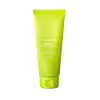
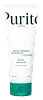
This mild gel cleanser is made to cleanse while calming and soothing your skin.
This mild gel cleanser is made to cleanse while calming and soothing your skin.


What's inside
What's inside
 Key Ingredients
Benefits
Concerns
Ingredients Side-by-side
Water
Skin ConditioningDisodium Cocoamphodiacetate
CleansingCoco-Betaine
Cleansing
Sodium Cocoyl Alaninate
Surfactant
Glycerin
Humectant


Acrylates Copolymer
1,2-Hexanediol
Skin Conditioning
Polyglyceryl-10 Laurate
Skin Conditioning

Propanediol
Solvent
Hydroxyacetophenone
Antioxidant
Ethylhexylglycerin
Skin ConditioningChrysanthemum Indicum Flower Extract
Skin Conditioning
Tromethamine
BufferingMelaleuca Alternifolia Leaf Oil
Antioxidant






Dipropylene Glycol
HumectantEclipta Prostrata Leaf Extract
Skin ConditioningLaminaria Japonica Extract
Skin Protecting
Camellia Sinensis Leaf Extract
Antimicrobial


Schisandra Chinensis Fruit Extract
Skin Conditioning
Centella Asiatica Extract
Cleansing
Ziziphus Jujuba Fruit Extract
Skin ConditioningFructooligosaccharides
Humectant
Beta-Glucan
Skin Conditioning
Hydrogenated Lecithin
Emulsifying
Hydrolyzed Hyaluronic Acid
Humectant
Tocopherol
Antioxidant

Water, Disodium Cocoamphodiacetate, Coco-Betaine, Sodium Cocoyl Alaninate, Glycerin, Acrylates Copolymer, 1,2-Hexanediol, Polyglyceryl-10 Laurate, Propanediol, Hydroxyacetophenone, Ethylhexylglycerin, Chrysanthemum Indicum Flower Extract, Tromethamine, Melaleuca Alternifolia Leaf Oil, Dipropylene Glycol, Eclipta Prostrata Leaf Extract, Laminaria Japonica Extract, Camellia Sinensis Leaf Extract, Schisandra Chinensis Fruit Extract, Centella Asiatica Extract, Ziziphus Jujuba Fruit Extract, Fructooligosaccharides, Beta-Glucan, Hydrogenated Lecithin, Hydrolyzed Hyaluronic Acid, Tocopherol
Water
Skin ConditioningCoco-Betaine
Cleansing
Sodium Lauroyl Methyl Isethionate
CleansingSodium Chloride
MaskingAcrylates/C10-30 Alkyl Acrylate Crosspolymer
Emulsion StabilisingTromethamine
BufferingHydroxyacetophenone
Antioxidant
Sodium Methyl Isethionate
EmulsifyingPanthenol
Skin Conditioning
Allantoin
Skin Conditioning
Bambusa Vulgaris Extract
Skin Conditioning
Lauric Acid
Cleansing

Melaleuca Alternifolia Leaf Oil
Antioxidant
Sodium Laurate
CleansingEthylhexylglycerin
Skin Conditioning1,2-Hexanediol
Skin Conditioning
Betaine
Humectant
Disodium EDTA
ChelatingWater, Coco-Betaine, Sodium Lauroyl Methyl Isethionate, Sodium Chloride, Acrylates/C10-30 Alkyl Acrylate Crosspolymer, Tromethamine, Hydroxyacetophenone, Sodium Methyl Isethionate, Panthenol, Allantoin, Bambusa Vulgaris Extract, Lauric Acid, Melaleuca Alternifolia Leaf Oil, Sodium Laurate, Ethylhexylglycerin, 1,2-Hexanediol, Betaine, Disodium EDTA
Reviews
Ingredients Explained
These ingredients are found in both products.
Ingredients higher up in an ingredient list are typically present in a larger amount.
1,2-Hexanediol is a synthetic liquid and another multi-functional powerhouse.
It is a:
- Humectant, drawing moisture into the skin
- Emollient, helping to soften skin
- Solvent, dispersing and stabilizing formulas
- Preservative booster, enhancing the antimicrobial activity of other preservatives
Coco-Betaine is the natural version of Cocamidopropyl Betaine. It is often derived from coconuts.
Coco-Betaine is a surfactant, meaning it helps remove dirt and oil from the skin.
Ethylhexylglycerin is created from glycerin. It is a multitasker ingredient that:
The CIR Expert Panel found minimal skin absorption or sensitization of any kind in a safety assessment. Though this ingredient is considered well-tolerated, a small number of cases of allergic dermatitis have been published since 2002. Just be sure to patch test if you are unsure.
Industry-reported use ranges from 8% in rinse-off products and 2% in leave-on formulations.
Learn more about EthylhexylglycerinHydroxyacetophenone is a small phenolic molecule that earns its place in a formulas as an antioxidant and preservative booster.
As a phenol, it is able to neutralize free radicals to protect both the product and the skin from oxidative stress.
Though it can't kill microbes on its own, it works as a good supporting agent when combined with other preservatives like Phenoxyethanol or 1,2-Hexanediol.
This ingredient naturally occurs as piceol in Norwegian spruce needles (~0.4-1.1% dry weight and in cloudberries). Though the cosmetic-grade material is synthesized for purity and consistency.
You'll usually see it used at low levels and suppliers recommend up to 1% added to a water phase.
Safety testing was done at concentrations like 0.05% in SPF products and 0.5% in a Human Repeated Insult Patch Test. The safety evidence is assuring; this ingredient is safe for cosmetics in current use and also holds safety status as a food flavoring as well.
An honest caveat: the "soothing" and "anti-inflammatory" claims come mostly from supplier marketing rather than published clinical trials. The Cosmetic Ingredient Review's own literature search found no useful efficacy studies on this ingredient.
So the antioxidant and preservative-boosting roles are the well supported ones while the calming benefit is plausible but thinly evidenced.
Overall, this is a well-tolerated, low-irritation multitasker that quietly helps a formula stay fresh and stable.
Learn more about HydroxyacetophenoneThis ingredient is also known as tea tree oil. It has antioxidant, anti-inflammatory, and antimicrobial properties.
Tea tree oil is a complex lipophilic (fat-loving) oil that contains around 100 compounds with terpinen-4-ol being the most abundant (~40%).
Terpinen-4-ol is responsible for tea tree oil's broad-spectrum antimicrobial activity and makes it a well-researched option for acne.
Clinical studies support 5% tea tree oil as an effective topical treatment for mild to moderate acne. A study with 124 patients compared 5% tea tree oil gel to 5% benzoyl peroxide and both reduced acne (though tea tree oil worked more slowly).
Besides acne, it is also seen in anti-dandruff shampoos and scalp treatments for it's antimicrobial and anti-seborrheic properties.
Safety-wise, the allergic potential of low concentrations on healthy skin is considered low. However, oxidized (old or improperly stored) tea tree oil is a stronger sensitizer.
Irritation can also occur if using the undiluted oil on skin; it's best to use this ingredient as part of a carefully crafted cosmetic formula. This is because regulations require tea tree oil in cosmetics to be stabilized to prevent degradation.
This ingredient has been deemed safe up to 2% in shampoo, 1% in cleansers, and 0.1% in face cream by the EU's Scientific Committee on Consumer Safety (SCCS).
There is some lab evidence that tea tree oil is antifungal against Malassezia, but it is a supportive option at best and not a replacement for proven antifungal treatments.
Learn more about Melaleuca Alternifolia Leaf OilTromethamine (aka THAM) is a synthetic amino acid that shows up in skincare as a helper ingredient.
It functions as a pH adjuster to help neutralize acidic ingredients and set a formula's pH to the right spot.
This matters a lot because a lot of actives (like vitamin C) needs a specific pH to work well and feel comfortable on skin.
Concentration use ranges from 0.1-1.0% depending on the formula.
Learn more about TromethamineWater. It's the most common cosmetic ingredient of all. You'll usually see it at the top of ingredient lists, meaning that it makes up the largest part of the product.
So why is it so popular? Water most often acts as a solvent - this means that it helps dissolve other ingredients into the formulation.
You'll also recognize water as that liquid we all need to stay alive. If you see this, drink a glass of water. Remember to stay hydrated!
Learn more about Water

