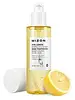
This toner is formulated around Panthenol to hydrate and support the skin barrier.
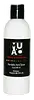
This smoothing toner is formulated around Mandelic Acid to refine skin texture and clear breakouts.


What's inside
What's inside
 Key Ingredients
Benefits
Concerns
Ingredients Side-by-side
Water
Skin ConditioningPanthenol
Skin Conditioning




Alcohol
Antimicrobial




Butylene Glycol
Humectant
Glycerin
Humectant
1,2-Hexanediol
Skin Conditioning
Citrus Medica Limonum Fruit Extract
Skin ConditioningSodium Hyaluronate
Humectant

Phenyl Trimethicone
Skin Conditioning
Acrylates/C10-30 Alkyl Acrylate Crosspolymer
Emulsion StabilisingPotassium Hydroxide
BufferingPEG-60 Hydrogenated Castor Oil
Emulsifying

Coptis Japonica Extract
AntimicrobialAllantoin
Skin Conditioning
Portulaca Oleracea Extract
Skin Conditioning
Beta-Glucan
Skin Conditioning
Betula Platyphylla Japonica Juice
Skin Conditioning
Hamamelis Virginiana Leaf Extract
Skin Conditioning
Carica Papaya Fruit Extract
Skin ConditioningPropylene Glycol
Humectant
Hedera Helix Extract
AntimicrobialPaeonia Albiflora Root Extract
Skin ConditioningConvallaria Majalis Extract
Skin ConditioningMagnolia Liliflora Flower Extract
Skin ConditioningLilium Candidum Flower Extract
Skin ConditioningLeontopodium Alpinum Flower/Leaf Extract
Skin ConditioningAscorbic Acid
Antioxidant




Sodium Ascorbyl Phosphate
Antioxidant
Citrus Limon Peel Oil
Masking


Citrus Grandis Peel Oil
Masking
Parfum
Masking
Water, Panthenol, Alcohol, Butylene Glycol, Glycerin, 1,2-Hexanediol, Citrus Medica Limonum Fruit Extract, Sodium Hyaluronate, Phenyl Trimethicone, Acrylates/C10-30 Alkyl Acrylate Crosspolymer, Potassium Hydroxide, PEG-60 Hydrogenated Castor Oil, Coptis Japonica Extract, Allantoin, Portulaca Oleracea Extract, Beta-Glucan, Betula Platyphylla Japonica Juice, Hamamelis Virginiana Leaf Extract, Carica Papaya Fruit Extract, Propylene Glycol, Hedera Helix Extract, Paeonia Albiflora Root Extract, Convallaria Majalis Extract, Magnolia Liliflora Flower Extract, Lilium Candidum Flower Extract, Leontopodium Alpinum Flower/Leaf Extract, Ascorbic Acid, Sodium Ascorbyl Phosphate, Citrus Limon Peel Oil, Citrus Grandis Peel Oil, Parfum
Water
Skin ConditioningAlcohol Denat.
Antimicrobial
Propylene Glycol
Humectant
Mandelic Acid 5%
Antimicrobial


Camellia Sinensis Extract
Antioxidant
Polysorbate 20
Emulsifying
Butylene Glycol
Humectant
Hydrastis Canadensis Extract
MaskingMalic Acid
Buffering
Humulus Lupulus Extract
AntimicrobialEquisetum Hyemale Extract
Skin ConditioningCymbopogon Schoenanthus Extract
Skin ConditioningHamamelis Virginiana Extract
Antiseborrhoeic
Aloe Barbadensis Leaf Extract
Emollient
Phytic Acid
Chelating
Ascorbyl Methylsilanol Pectinate
Antioxidant
Water, Alcohol Denat., Propylene Glycol, Mandelic Acid 5%, Camellia Sinensis Extract, Polysorbate 20, Butylene Glycol, Hydrastis Canadensis Extract, Malic Acid, Humulus Lupulus Extract, Equisetum Hyemale Extract, Cymbopogon Schoenanthus Extract, Hamamelis Virginiana Extract, Aloe Barbadensis Leaf Extract, Phytic Acid, Ascorbyl Methylsilanol Pectinate
Reviews
Ingredients Explained
These ingredients are found in both products.
Ingredients higher up in an ingredient list are typically present in a larger amount.
Butylene Glycol (or BG) is used within cosmetic products for a few different reasons:
Overall, Butylene Glycol is a safe and well-rounded ingredient that works well with other ingredients.
Though this ingredient works well with most skin types, some people with sensitive skin may experience a reaction such as allergic rashes, closed comedones, or itchiness.
Learn more about Butylene GlycolPropylene Glycol is a synthetic, colorless, odorless liquid that has been a staple in cosmetics for decades. It is a skin conditioning agent, humectant, and solvent.
As a humectant, it draw water to the skin to reduce flaking and restore suppleness. It's also a solvent that helps dissolve other actives and keeps formulas stable across temperature changes.
The CIR Expert Panel has confirmed this ingredient to be nontoxic and clinical studies show no sensitization at cosmetic use concentrations.
True allergic reactions are quite rare: a 15-year retrospective study of 6,751 patients found only 0.31% had a positive reaction (and less than half were considered clinically relevant).
It seemed that when sensitization does occur, it's most commonly linked to topical medication (like corticosteroids) and not cosmetics. Allergic contact dermatitis also appears largely limited to individuals with underlying skin conditions.
Overall, propylene glycol is a well-studied ingredient that most people can tolerate without issue.
Learn more about Propylene GlycolWater. It's the most common cosmetic ingredient of all. You'll usually see it at the top of ingredient lists, meaning that it makes up the largest part of the product.
So why is it so popular? Water most often acts as a solvent - this means that it helps dissolve other ingredients into the formulation.
You'll also recognize water as that liquid we all need to stay alive. If you see this, drink a glass of water. Remember to stay hydrated!
Learn more about Water

