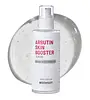
This brightening serum is formulated around Niacinamide and Arbutin to fade the look of dark spots and brighten dull-looking skin.
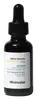
This brightening serum is formulated around Alpha-Arbutin and Lactic Acid to fade the look of dark spots and brighten dull-looking skin.


What's inside
What's inside
 Key Ingredients
Benefits
Concerns
Ingredients Side-by-side
Water
Skin ConditioningNiacinamide 10%
Smoothing











Butylene Glycol
Humectant
Glycerin
Humectant
Arbutin 2%
Antioxidant

1,2-Hexanediol
Skin Conditioning
Caprylic/Capric Triglyceride
Masking
Hydroxyacetophenone
Antioxidant
Acrylates/C10-30 Alkyl Acrylate Crosspolymer
Emulsion StabilisingArginine
Masking
Ethylhexylglycerin
Skin ConditioningAdenosine
Skin Conditioning
Xanthan Gum
EmulsifyingDisodium EDTA
Ceratonia Siliqua Gum
EmollientRosa Canina Fruit Oil
Emollient


Tocopheryl Acetate
Antioxidant
Sucrose
Humectant
Alpha-Arbutin
Antioxidant
Water, Niacinamide 10%, Butylene Glycol, Glycerin, Arbutin 2%, 1,2-Hexanediol, Caprylic/Capric Triglyceride, Hydroxyacetophenone, Acrylates/C10-30 Alkyl Acrylate Crosspolymer, Arginine, Ethylhexylglycerin, Adenosine, Xanthan Gum, Disodium EDTA, Ceratonia Siliqua Gum, Rosa Canina Fruit Oil, Tocopheryl Acetate, Sucrose, Alpha-Arbutin
Water
Skin ConditioningDimethyl Isosorbide
SolventEthoxydiglycol
HumectantAlpha-Arbutin
Antioxidant
Lactic Acid
Buffering


Pentylene Glycol
Skin Conditioning
Ferulic Acid
Antimicrobial
Sodium Hyaluronate
Humectant
4-Butylresorcinol
Antioxidant
Hydroxyethylcellulose
Emulsion StabilisingTriethanolamine
BufferingPEG/PPG-17/6 Copolymer
SolventIsoceteth-20
EmulsifyingXanthan Gum
EmulsifyingLecithin
Emollient
Sclerotium Gum
Emulsion StabilisingPullulan
Phenoxyethanol
Preservative
Ethylhexylglycerin
Skin ConditioningTrisodium Ethylenediamine Disuccinate
Water, Dimethyl Isosorbide, Ethoxydiglycol, Alpha-Arbutin, Lactic Acid, Pentylene Glycol, Ferulic Acid, Sodium Hyaluronate, 4-Butylresorcinol, Hydroxyethylcellulose, Triethanolamine, PEG/PPG-17/6 Copolymer, Isoceteth-20, Xanthan Gum, Lecithin, Sclerotium Gum, Pullulan, Phenoxyethanol, Ethylhexylglycerin, Trisodium Ethylenediamine Disuccinate
Reviews
Ingredients Explained
These ingredients are found in both products.
Ingredients higher up in an ingredient list are typically present in a larger amount.
Alpha-Arbutin is a brightening active used to fade dark spots, melasma, and post-acne marks. Structurally, it is a hydroquinone with a sugar molecule attached (but is much gentler than raw hydroquinone).
It has a pretty elegant way of working; it slots into tyrosinase, or the key enzyme that your skin uses to make melanin), and competitively blocks it so your skin produces less pigment over time.
There are two forms of arbutin and alpha is the better one to reach for: it works at lower amounts, absorbs into skin more easily, and has a strong safety record.
The science backs this up too: lab and animal studies confirm it lowers melanin by blocking tyosinase and the more you use (up to a point), the more it works.
Human studies look good too.
A 2024 trial found a cream with 5% alpha-arbutin and 2% kojic acid worked about as well as a prescription melasma cream but with fewer side effects. Another study showed 2% alpha-arbutin paired with 10% Trihydroxybenzoic Acid Glucoside and sunscreen faded dark spots and melasma without causing irritation.
Concentration-wise, most serums land in the 1-2% range.
The EU's Scientific Committee on Consumer Safety concluded that alpha-arbutin is safe in face creams up to 2% and body lotions up to 0.5%.
Overall, this is a well-studied and low-irritation brightener that's a great pick for anyone dealing with uneven skin tone. It also pairs well with vitamin C, niacinamide, and sunscreen.
Learn more about Alpha-ArbutinEthylhexylglycerin is created from glycerin. It is a multitasker ingredient that:
The CIR Expert Panel found minimal skin absorption or sensitization of any kind in a safety assessment. Though this ingredient is considered well-tolerated, a small number of cases of allergic dermatitis have been published since 2002. Just be sure to patch test if you are unsure.
Industry-reported use ranges from 8% in rinse-off products and 2% in leave-on formulations.
Learn more about EthylhexylglycerinWater. It's the most common cosmetic ingredient of all. You'll usually see it at the top of ingredient lists, meaning that it makes up the largest part of the product.
So why is it so popular? Water most often acts as a solvent - this means that it helps dissolve other ingredients into the formulation.
You'll also recognize water as that liquid we all need to stay alive. If you see this, drink a glass of water. Remember to stay hydrated!
Learn more about WaterXanthan gum is used as a stabilizer and thickener within cosmetic products. It helps give products a sticky, thick feeling - preventing them from being too runny.
On the technical side of things, xanthan gum is a polysaccharide - a combination consisting of multiple sugar molecules bonded together.
Xanthan gum is a pretty common and great ingredient. It is a natural, non-toxic, non-irritating ingredient that is also commonly used in food products.
Learn more about Xanthan Gum

