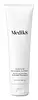
This salicylic acid gel cleanser is formulated around Salicylic Acid to clear breakouts and unclog pores.
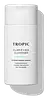
This oil-control exfoliator is formulated around Salicylic Acid and Protease to balance excess oil and refine skin texture.

What's inside
What's inside
 Key Ingredients
Benefits
Concerns
Ingredients Side-by-side
Water
Skin ConditioningSodium C14-16 Olefin Sulfonate
Cleansing

Sodium Cocoamphoacetate
CleansingCocamidopropyl Hydroxysultaine
Cleansing
Glycerin
Humectant


Mandelic Acid
Antimicrobial








Salicylic Acid
Masking


Citrus Aurantium Dulcis Peel Oil
Masking

Citric Acid
Buffering
Citrus Aurantium Dulcis Fruit Extract
MaskingSodium Hydroxide
BufferingRubus Idaeus Fruit Extract
AstringentYucca Schidigera Root Extract
Skin ConditioningLactic Acid
Buffering
Phenoxyethanol
Preservative
Citrus Grandis Peel Oil
Masking

Maltodextrin
Absorbent
Disodium EDTA
ChelatingGarcinia Mangostana Peel Extract
Skin ConditioningEthylhexylglycerin
Skin ConditioningCitrus Aurantifolia Oil
Cleansing
Citrus Aurantium Bergamia Fruit Oil
Masking
Citrus Aurantium Amara Peel Oil
Skin Conditioning
Limonene
Perfuming
Linalool
Perfuming
Water, Sodium C14-16 Olefin Sulfonate, Sodium Cocoamphoacetate, Cocamidopropyl Hydroxysultaine, Glycerin, Mandelic Acid, Salicylic Acid, Citrus Aurantium Dulcis Peel Oil, Citric Acid, Citrus Aurantium Dulcis Fruit Extract, Sodium Hydroxide, Rubus Idaeus Fruit Extract, Yucca Schidigera Root Extract, Lactic Acid, Phenoxyethanol, Citrus Grandis Peel Oil, Maltodextrin, Disodium EDTA, Garcinia Mangostana Peel Extract, Ethylhexylglycerin, Citrus Aurantifolia Oil, Citrus Aurantium Bergamia Fruit Oil, Citrus Aurantium Amara Peel Oil, Limonene, Linalool
Distarch Phosphate
AbsorbentTapioca Starch
Sodium Cocoyl Glutamate
Cleansing
Silica
Abrasive
Trehalose
Humectant
Pullulan
Citric Acid
Buffering
Sodium Gluconate
ChelatingXanthan Gum
EmulsifyingSalicylic Acid
Masking
Dextrin
AbsorbentPolydextrose
HumectantAmylopectin
Maltodextrin
Absorbent
Spirulina Platensis Extract
Skin ProtectingLipase
Skin ConditioningProtease
Exfoliating
Niacinamide
Smoothing

Sodium Hyaluronate
Humectant
Charcoal Powder
Abrasive
Eucalyptus Globulus Leaf Oil
Perfuming
Mentha Piperita Oil
Masking
Distarch Phosphate, Tapioca Starch, Sodium Cocoyl Glutamate, Silica, Trehalose, Pullulan, Citric Acid, Sodium Gluconate, Xanthan Gum, Salicylic Acid, Dextrin, Polydextrose, Amylopectin, Maltodextrin, Spirulina Platensis Extract, Lipase, Protease, Niacinamide, Sodium Hyaluronate, Charcoal Powder, Eucalyptus Globulus Leaf Oil, Mentha Piperita Oil
Reviews
Alternatives
Ingredients Explained
These ingredients are found in both products.
Ingredients higher up in an ingredient list are typically present in a larger amount.
Citric Acid is an alpha hydroxy acid (AHA) naturally found in citrus fruits like oranges, lemons, and limes.
Like other AHAs, citric acid can exfoliate skin by breaking down the bonds that hold dead skin cells together. This helps reveal smoother and brighter skin underneath.
However, this exfoliating effect only happens at high concentrations (20%) which can be hard to find in cosmetic products.
Due to this, citric acid is usually included in small amounts as a pH adjuster. This helps keep products slightly more acidic and compatible with skin's natural pH.
In skincare formulas, citric acid can:
While it can provide some skin benefits, research shows lactic acid and glycolic acid are generally more effective and less irritating exfoliants.
Most citric acid used in skincare today is made by fermenting sugars (usually from molasses). This synthetic version is identical to the natural citrus form but easier to stabilize and use in formulations.
Rosacea skin has a lower threshold for acids generally, with 62.5% of rosacea subjects in one study reacting to lactic acid in a sting test. This is why we mark citric acid as a potential rosacea trigger.
However, this ingredient shows up as a pH adjuster or chelator at roughly 0.1-1% in many products. These low levels are unlikely to be an issue for rosacea skin and becomes a potential trigger at exfoliating concentrations (20%). Because everybody's skin is unique, we recommend a patch test if you are unsure.
Learn more about Citric AcidMaltodextrin is a plant-derived carbohydrate made by breaking down starch (usually from corn, potato, or rice). In cosmetic formulas, it's a multitasking absorbent, emulsion stabilizer, and skin conditioner.
This ingredient is mostly used to stabilize emulsions and improve the powdery, non-greasy feel of products (like dry shampoos).
Safety-wise, this ingredient is pretty solid; it's even recognized as a food additive. Both animal and clinical studies found no adverse effects at the levels used in cosmetics.
Industry data shows this ingredient is used up to 45.7% in spray products and up to 33% in powder products.
Learn more about MaltodextrinSalicylic Acid (also known as beta hydroxy acid or BHA) is a well-known ingredient for treating skin that struggles with acne and clogged pores. It exfoliates both the skin's surface and deep within the pores to help clear out buildup, control oil, and reduce inflammation.
Unlike AHAs (alpha hydroxy acids), salicylic acid is oil-soluble. This allows it to penetrate into pores which makes it especially effective for treating blackheads and preventing future breakouts.
Salicylic acid is also known for its soothing properties. It has a similar structure to aspirin and can calm inflamed or irritated skin, making it a good option for acne-prone skin that is also sensitive.
Concentrations of 0.5-2% are recognized by the U.S. FDA as an over-the-counter topical acne product.
It can cause irritation and/or dryness if one's skin already has a compromised moisture barrier, so it's best to focus on repairing that before introducing this ingredient into your routine.
While salicylic acid does not increase sun sensitivity, it’s still important to wear sunscreen daily to protect your skin.
If you are looking for the ingredient called BHA or Butylated Hydroxyanisole, click here.
Learn more about Salicylic Acid

