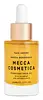
This hydrating oil is formulated around Opuntia Ficus-Indica Seed Oil and Vitis Vinifera Seed Oil to hydrate skin and calm redness.
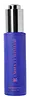
This anti-aging oil is formulated around Camellia Japonica Seed Oil and Opuntia Ficus-Indica Seed Oil to soften the look of wrinkles and hydrate skin.


What's inside
What's inside
 Key Ingredients
No key ingredients
Benefits
Concerns
Ingredients Side-by-side
Opuntia Ficus-Indica Seed Oil
Emollient



Vitis Vinifera Seed Oil
Emollient
Simmondsia Chinensis Seed Oil
Emollient

Argania Spinosa Kernel Oil
Emollient


Calendula Officinalis Extract
Skin Conditioning
Curcuma Longa Root Oil
Perfuming


Boswellia Serrata Oil
Masking
Viola Odorata Extract
Skin ConditioningHippophae Rhamnoides Oil
Emollient
Rosa Damascena Extract
MaskingVanilla Planifolia Fruit Extract
Skin Conditioning
Cananga Odorata Flower Oil
Masking

Eugenia Caryophyllus Flower Extract
AstringentZingiber Officinale Root
Skin ConditioningOpuntia Ficus-Indica Seed Oil, Vitis Vinifera Seed Oil, Simmondsia Chinensis Seed Oil, Argania Spinosa Kernel Oil, Calendula Officinalis Extract, Curcuma Longa Root Oil, Boswellia Serrata Oil, Viola Odorata Extract, Hippophae Rhamnoides Oil, Rosa Damascena Extract, Vanilla Planifolia Fruit Extract, Cananga Odorata Flower Oil, Eugenia Caryophyllus Flower Extract, Zingiber Officinale Root
Camellia Japonica Seed Oil
Emollient
Jojoba Esters
Emollient
Citrullus Lanatus Seed Oil
Emollient
Opuntia Ficus-Indica Seed Oil
Emollient
Terminalia Ferdinandiana Seed Oil
Antioxidant
Tridecane
Perfuming
Undecane
EmollientSqualene
Emollient
Bakuchiol
Antimicrobial



Schisandra Chinensis Fruit Extract
Skin Conditioning
Medicago Sativa Extract
TonicCocos Nucifera Oil
Masking


Alaria Esculenta Extract
Skin Protecting
Jojoba Oil/Macadamia Seed Oil Esters
Skin Conditioning
Phytosterols
Skin Conditioning
Phytosteryl Macadamiate
Skin Conditioning
Tocopherol
Antioxidant
Argania Spinosa Kernel Oil
Emollient
Calophyllum Inophyllum Seed Oil
Antimicrobial
Limnanthes Alba Seed Oil
Skin Conditioning
Oenothera Biennis Oil
Emollient
Prunus Avium Seed Oil
Emollient
Rosa Canina Fruit Oil
Emollient
Caprylic/Capric Triglyceride
Masking
Parfum
Masking
Citronellol
Perfuming
Geraniol
Perfuming
Linalool
Perfuming
Citral
Perfuming
Limonene
Perfuming
Camellia Japonica Seed Oil, Jojoba Esters, Citrullus Lanatus Seed Oil, Opuntia Ficus-Indica Seed Oil, Terminalia Ferdinandiana Seed Oil, Tridecane, Undecane, Squalene, Bakuchiol, Schisandra Chinensis Fruit Extract, Medicago Sativa Extract, Cocos Nucifera Oil, Alaria Esculenta Extract, Jojoba Oil/Macadamia Seed Oil Esters, Phytosterols, Phytosteryl Macadamiate, Tocopherol, Argania Spinosa Kernel Oil, Calophyllum Inophyllum Seed Oil, Limnanthes Alba Seed Oil, Oenothera Biennis Oil, Prunus Avium Seed Oil, Rosa Canina Fruit Oil, Caprylic/Capric Triglyceride, Parfum, Citronellol, Geraniol, Linalool, Citral, Limonene
Ingredients Explained
These ingredients are found in both products.
Ingredients higher up in an ingredient list are typically present in a larger amount.
You may know this ingredient as argan oil. It has emollient and skin conditioning properties that help soften skin and reinforce the lipid barrier.
The fatty acid profile of argan oil is roughly 45-55% oleic acid, 28-36% linoleic acid, 10-15% palmitic acid, and 5-7% stearic acid. It also contains vitamin E, sterols, squalene, and polyphenols like ferulic acid.
Two clinical studies in postmenopausal women found that applying argan oil for 60 days significantly improved skin elasticity and moisturization (reduced transepidermal water loss and increased epidermal water content).
Since it is high in oleic and linoleic acid, this ingredient may not be fungal acne safe. Both of these fall in the C11-C24 range that Malassezia yeast can metabolize.
Learn more about Argania Spinosa Kernel OilThis ingredient is also known as prickly pear seed oil (PPSO); it's one of the more nutritionally dense plant oils you can find in cosmetics.
Its fatty acid profile is dominated by linoleic acid (57-65%), followed by oleic (16-22%), and palmitic (12-16%).
That high linoleic acid content is a big deal for skin. Linoleic acid is a key component of the skin's own lipid barrier and this combination is associated with improved skin hydration + barrier repair.
PPSO also contains some phytosterols and is exceptionally rich in tocopherols (vitamin E). The phytosterols contribute to anti-inflammatory activity and the tocopherols provide meaningful antioxidant protection.
Animal studies have shown that topical application of PPSO reduced edema formation and inflammatory cell infiltration; this supports its traditional use for wound healing and skin inflammation.
In vitro studies, preclinical, and clinical evidence all point to a very low toxicity profile for this ingredient.
Typical use levels range from 1-100% :
Fungal acne: The Malassezia species can metabolize fatty acids with carbon chain lengths between C11-24. Linoleic, oleic, and palmitic acid fall into this range, making PPSO not fungal acne safe.
Learn more about Opuntia Ficus-Indica Seed Oil

