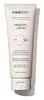
This hybrid sunscreen covers the full UV range and blocks ~98% of UVB at SPF 50.
This sunscreen offers SPF 50 protection with a lightweight finish.


What's inside
What's inside
 Key Ingredients
Benefits
Concerns
Ingredients Side-by-side
Titanium Dioxide 2%
Cosmetic Colorant

Zinc Oxide 17%
Cosmetic Colorant
Dimethicone
Emollient

Caprylic/Capric Triglyceride
Masking


Dimethicone Crosspolymer
Emulsion Stabilising
Dimethicone/Vinyl Dimethicone Crosspolymer
Skin Conditioning
Butyloctyl Salicylate
Skin Conditioning
Glyceryl Isostearate
Emollient

Polysilicone-15
UV Filter
Tetrahexyldecyl Ascorbate
Antioxidant





Camellia Sinensis Leaf Extract
Antimicrobial

Punica Granatum Extract
AstringentVaccinium Macrocarpon Fruit Extract
AstringentSilica
Abrasive
Polyhydroxystearic Acid
Emulsifying
CI 77891
Cosmetic ColorantCI 77492
Cosmetic ColorantCI 77491
Cosmetic ColorantCI 77499
Cosmetic ColorantTitanium Dioxide 2%, Zinc Oxide 17%, Dimethicone, Caprylic/Capric Triglyceride, Dimethicone Crosspolymer, Dimethicone/Vinyl Dimethicone Crosspolymer, Butyloctyl Salicylate, Glyceryl Isostearate, Polysilicone-15, Tetrahexyldecyl Ascorbate, Camellia Sinensis Leaf Extract, Punica Granatum Extract, Vaccinium Macrocarpon Fruit Extract, Silica, Polyhydroxystearic Acid, CI 77891, CI 77492, CI 77491, CI 77499
Water
Skin ConditioningIsoamyl Laurate
Emollient
Propanediol
Solvent
Butyloctyl Salicylate
Skin Conditioning
C13-15 Alkane
SolventNiacinamide
Smoothing


Sodium Polyacryloyldimethyl Taurate
Emulsion StabilisingLauryl Glucoside
CleansingPolyhydroxystearic Acid
Emulsifying
Polyglyceryl-6 Laurate
Emulsifying
Silica
Abrasive
Ethyl Ferulate
Antioxidant
Hydrogenated Lecithin
Emulsifying
Polyglyceryl-6 Polyricinoleate
Emulsifying
Tocopheryl Acetate
Antioxidant
Hydroxyacetophenone
Antioxidant
Myristyl Glucoside
CleansingPongamia Pinnata Seed Extract
Skin ConditioningCaprylyl Glycol
Emollient
Eugenia Caryophyllus Bud Extract
Perfuming
Solidago Virgaurea Extract
Skin ConditioningYogurt Powder
Ascorbyl Palmitate
Antioxidant
1,2-Hexanediol
Skin Conditioning
Phenoxyethanol
Preservative
Biosaccharide Gum-4
Skin Conditioning
Haematococcus Pluvialis Extract
Antioxidant
Astaxanthin
Skin Conditioning
Water, Isoamyl Laurate, Propanediol, Butyloctyl Salicylate, C13-15 Alkane, Niacinamide, Sodium Polyacryloyldimethyl Taurate, Lauryl Glucoside, Polyhydroxystearic Acid, Polyglyceryl-6 Laurate, Silica, Ethyl Ferulate, Hydrogenated Lecithin, Polyglyceryl-6 Polyricinoleate, Tocopheryl Acetate, Hydroxyacetophenone, Myristyl Glucoside, Pongamia Pinnata Seed Extract, Caprylyl Glycol, Eugenia Caryophyllus Bud Extract, Solidago Virgaurea Extract, Yogurt Powder, Ascorbyl Palmitate, 1,2-Hexanediol, Phenoxyethanol, Biosaccharide Gum-4, Haematococcus Pluvialis Extract, Astaxanthin
Reviews
Ingredients Explained
These ingredients are found in both products.
Ingredients higher up in an ingredient list are typically present in a larger amount.
Butyloctyl Salicylate is a chemical UV filter structurally similar to octisalate. It is a photostabilizer, SPF booster, emollient and solvent. This ingredient helps evenly spread out ingredients.
According to a manufacturer, it is suitable for pairing with micro Titanium Dioxide, Zinc Oxide, and pigments.
Photostabilizers help stabilize UV-filters and prevents them from degrading quickly.
Learn more about Butyloctyl SalicylatePolyhydroxystearic Acid is a vegetable-derived soft wax made from castor oil. It's an emulsion stabilizer, thickener, and film former.
You'll likely see it in sunscreens because it helps disperse pigments and UV-reflecting minerals like titanium dioxide and zinc oxide evenly.
Depending on the concentration, it can drastically change the texture of a product from pasty solid (like lipstick) to sprayable liquid.
The CIR Expert Panel for Cosmetic Ingredient Safety has concluded this ingredient to be safe in cosmetics. The highest reported use concentration is 14.2% in lipsticks.
Learn more about Polyhydroxystearic AcidSilica, also known as silicon dioxide, is a naturally occurring mineral. It is used as a fine, spherical, and porous powder in cosmetics.
Though it has exfoliant properties, the function of silica varies depending on the product.
The unique structure of silica enhances the spreadability and adds smoothness, making it a great texture enhancer.
It is also used as an active carrier, emulsifier, and mattifier due to its ability to absorb excess oil.
In some products, tiny microneedles called spicules are made from silica or hydrolyzed sponge. When you rub them in, they lightly polish away dead skin layers and enhance the penetration of active ingredients.
Learn more about Silica

