

What's inside
What's inside
 Key Ingredients
Benefits
Concerns
Ingredients Side-by-side
Water
Skin ConditioningHydrogenated Polydecene
EmollientHydrogenated Polyisobutene
EmollientEthylhexyl Palmitate
Emollient




Isododecane
EmollientCI 77163
Cosmetic Colorant
Cetyl PEG/PPG-10/1 Dimethicone
Emulsifying
Glycerin
Humectant


Propylene Glycol
Humectant
Mica
Cosmetic ColorantHydrogenated Styrene/Isoprene Copolymer
Squalane
Emollient
Caprylic/Capric Triglyceride
Masking
Ethylhexyl Hydroxystearate
Emollient
Polyglyceryl-2 Triisostearate
Emulsifying
Phenoxyethanol
Preservative
Sodium Chloride
MaskingDisteardimonium Hectorite
StabilisingTocopheryl Acetate
Antioxidant


1,2-Hexanediol
Skin Conditioning
Caprylyl Glycol
Emollient
CI 77891
Cosmetic ColorantCI 77491
Cosmetic ColorantCI 77492
Cosmetic ColorantCI 77499
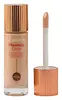
Cosmetic ColorantWater, Hydrogenated Polydecene, Hydrogenated Polyisobutene, Ethylhexyl Palmitate, Isododecane, CI 77163, Cetyl PEG/PPG-10/1 Dimethicone, Glycerin, Propylene Glycol, Mica, Hydrogenated Styrene/Isoprene Copolymer, Squalane, Caprylic/Capric Triglyceride, Ethylhexyl Hydroxystearate, Polyglyceryl-2 Triisostearate, Phenoxyethanol, Sodium Chloride, Disteardimonium Hectorite, Tocopheryl Acetate, 1,2-Hexanediol, Caprylyl Glycol, CI 77891, CI 77491, CI 77492, CI 77499
Water
Skin ConditioningC13-15 Alkane
SolventGlycerin
Humectant
C9-12 Alkane
SolventHydrogenated Polyisobutene
EmollientPolyglyceryl-3 Polyricinoleate
Emulsifying
Lauroyl Lysine
Skin Conditioning
Propanediol
Solvent
1,2-Hexanediol
Skin Conditioning
Silica
Abrasive

Coco-Caprylate/Caprate
Emollient
Disteardimonium Hectorite
StabilisingMagnesium Sulfate
Triethoxycaprylylsilane
Sodium Hyaluronate
Humectant

Tocopherol
Antioxidant
CI 77891
Cosmetic ColorantCI 77491
Cosmetic ColorantCI 77492
Cosmetic ColorantCI 77499
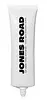
Cosmetic ColorantWater, C13-15 Alkane, Glycerin, C9-12 Alkane, Hydrogenated Polyisobutene, Polyglyceryl-3 Polyricinoleate, Lauroyl Lysine, Propanediol, 1,2-Hexanediol, Silica, Coco-Caprylate/Caprate, Disteardimonium Hectorite, Magnesium Sulfate, Triethoxycaprylylsilane, Sodium Hyaluronate, Tocopherol, CI 77891, CI 77491, CI 77492, CI 77499
Reviews
Ingredients Explained
These ingredients are found in both products.
Ingredients higher up in an ingredient list are typically present in a larger amount.
1,2-Hexanediol is a synthetic liquid and another multi-functional powerhouse.
It is a:
- Humectant, drawing moisture into the skin
- Emollient, helping to soften skin
- Solvent, dispersing and stabilizing formulas
- Preservative booster, enhancing the antimicrobial activity of other preservatives
Ci 77491 is also hydrated iron III oxide. It's sole purpose is to give a red/pink hue to products.
Iron III oxides are classified as inorganic chemicals for coloring.
Synthetically created Ci 77491 is considered safer than those naturally found. This is because the synthetically created version may contain less impurities. Iron oxides are generally non-toxic and non-allergenic.
Learn more about CI 77491CI 77492 is also hydrated iron III oxide. It's sole purpose is to give a yellow hue to products.
Iron III oxides are classified as inorganic chemicals for coloring.
Synthetically created CI 77492 is considered safer than those naturally found. This is because the synthetically created version may contain less impurities. Iron oxides are generally non-toxic and non-allergenic.
Learn more about CI 77492Ci 77499 is also hydrated iron III oxide. It is created from mixing red and black iron oxides. This helps give shades of darkness to a product.
Iron III oxides are classified as inorganic chemicals for coloring.
Ci 77891 is a white pigment from Titanium dioxide. It is naturally found in minerals such as rutile and ilmenite.
It's main function is to add a white color to cosmetics. It can also be mixed with other colors to create different shades.
Ci 77891 is commonly found in sunscreens due to its ability to block UV rays.
Learn more about CI 77891Disteardimonium Hectorite comes from the clay mineral named hectorite. It is used to add thickness to a product.
It can also help stabilize a product by helping to disperse other ingredients.
Hectorite is a rare, white clay mineral.
Learn more about Disteardimonium HectoriteGlycerin (or glycerol) is a compound naturally found in your skin. It's a powerhouse humectant that pulls water into the stratum corneum.
Topically, glycerin does several things at once:
Your skin makes glycerin on its own (mostly from sebaceous oil breakdown) and shuttles it to your outermost layer of skin, or your epidermis, via aquaporin-3.
Aquaporin-3 is a transporter that is essential for normal skin hydration, elasticity, and repair. Interestingly, mice lacking in AQP3 have dry and less elastic skin that can be fully corrected with glycerin.
This ingredient is non-irritating, plays well with almost every ingredient, and works across all skin types. Typical use is anywhere between 3-10% but can go up to 79% in some leave-on products.
Just know very high concentrations (>40%) can feel tacky in low humidity.
Glycerin is the name for this ingredient in American English. British English uses Glycerol/Glycerine.
Learn more about GlycerinHydrogenated Polyisobutene is a synthetic polymer. Polymers are compounds with high molecular weight. Hydrogenated Polyisobutene is an emollient and texture enhancer.
In one study, Hydrogenated Polyisobutene showed better skin hydration levels than Caprylic/Capric Triglyceride. As an emollient, it helps keep your skin soft and hydrated by trapping moisture in.
Hydrogenated Polyisobutene is often used as a mineral oil replacement.
Learn more about Hydrogenated PolyisobuteneWater. It's the most common cosmetic ingredient of all. You'll usually see it at the top of ingredient lists, meaning that it makes up the largest part of the product.
So why is it so popular? Water most often acts as a solvent - this means that it helps dissolve other ingredients into the formulation.
You'll also recognize water as that liquid we all need to stay alive. If you see this, drink a glass of water. Remember to stay hydrated!
Learn more about Water

