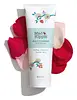
This oil-based cleanser is made to cleanse without leaving your skin tight or dry.
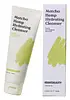
This mild gel cleanser is mild enough to cleanse without leaving skin feeling tight or stripped.


What's inside
What's inside
 Key Ingredients
Benefits
Concerns
Ingredients Side-by-side
Caprylic/Capric Triglyceride
Masking


Glycerin
Humectant
Water
Skin ConditioningSucrose Laurate
Emollient

Sucrose Stearate
EmollientDecyl Glucoside
Cleansing
Squalane
Emollient
Phenethyl Alcohol
MaskingCaprylyl Glycol
Emollient
Ethylhexylglycerin
Skin ConditioningSodium Hyaluronate
Humectant

Sodium PCA
Humectant
Tocopherol
Antioxidant



Rosa Centifolia Flower Extract
Astringent
Resveratrol
Antioxidant
Terminalia Ferdinandiana Fruit Extract
Antioxidant
Euterpe Oleracea Fruit Extract
Chamomilla Recutita Flower Extract
Masking
Camellia Sinensis Leaf Extract
Antimicrobial

Hippophae Rhamnoides Fruit Extract
Skin Conditioning
Citrus Aurantifolia Peel
Skin ConditioningCaprylic/Capric Triglyceride, Glycerin, Water, Sucrose Laurate, Sucrose Stearate, Decyl Glucoside, Squalane, Phenethyl Alcohol, Caprylyl Glycol, Ethylhexylglycerin, Sodium Hyaluronate, Sodium PCA, Tocopherol, Rosa Centifolia Flower Extract, Resveratrol, Terminalia Ferdinandiana Fruit Extract, Euterpe Oleracea Fruit Extract, Chamomilla Recutita Flower Extract, Camellia Sinensis Leaf Extract, Hippophae Rhamnoides Fruit Extract, Citrus Aurantifolia Peel
Camellia Sinensis Leaf Water
Masking
Water
Skin ConditioningGlycerin
Humectant
Dipropylene Glycol
HumectantCoco-Betaine
Cleansing
Coco-Glucoside
Cleansing
1,2-Hexanediol
Skin Conditioning
Butylene Glycol
Humectant
Caprylic/Capric Triglyceride
Masking
Methyl Gluceth-10
EmulsifyingXanthan Gum
EmulsifyingCellulose Gum
Emulsion StabilisingBenzyl Glycol
SolventCamellia Sinensis Leaf Powder
Sodium Polyacrylate
Absorbent
Cannabis Sativa Seed Oil
Emollient
Citric Acid
Buffering
Ethylhexylglycerin
Skin ConditioningDisodium EDTA
ChelatingSodium Chloride
MaskingPanthenol
Skin Conditioning
Sodium PCA
Humectant
Camellia Sinensis Leaf Extract
Antimicrobial
Avena Sativa Kernel Extract
Abrasive
Camellia Sinensis Leaf Water, Water, Glycerin, Dipropylene Glycol, Coco-Betaine, Coco-Glucoside, 1,2-Hexanediol, Butylene Glycol, Caprylic/Capric Triglyceride, Methyl Gluceth-10, Xanthan Gum, Cellulose Gum, Benzyl Glycol, Camellia Sinensis Leaf Powder, Sodium Polyacrylate, Cannabis Sativa Seed Oil, Citric Acid, Ethylhexylglycerin, Disodium EDTA, Sodium Chloride, Panthenol, Sodium PCA, Camellia Sinensis Leaf Extract, Avena Sativa Kernel Extract
Reviews
Ingredients Explained
These ingredients are found in both products.
Ingredients higher up in an ingredient list are typically present in a larger amount.
Camellia Sinensis Leaf Extract (tea extract) is one of the most well-researched plant extracts in skincare with an impressive resume.
Black tea, green tea, and oolong tea are all harvested from the Camellia Sinensis plant.
Studies show green tea extract and its catechins (like epigallocatechin gallate (EGCG)) help your skin cells product energy more efficiently and reducing the number of free-radicals that can damage your skin from the inside.
In lab-grown skin models, this translated to younger, healthier, and stronger skin.
There's also good sun protection data; researchers saw less DNA damage and redness on human skin when green tea was applied before UVB exposure. And the more they applied, the better the protection.
Needless to say, this ingredient shouldn't replace your sunscreen. But it is a great supportive ingredient that you can already find in many sunscreens and antioxidant serums.
A 2009 study found a 2% green tea lotion was effective for mild-to-moderate acne thanks to its anti-inflammatory and mild antimicrobial activity.
The quality of the extract matters a lot here:
Good extracts contain 50-90% catechins while lower quality ones are mostly there for marketing. We recommend reaching out to the brand if you have questions about the quality or source of their ingredients.
Human Repeated Insult Patch Testing showed no irritation or sensitization at use concentrations (0.86% in leave-on products and up to 30% as leaf water).
Learn more about Camellia Sinensis Leaf ExtractCaprylic/Capric Triglyceride (aka MCT Oil) is a lightweight emollient, solvent, and texture enhancer. It is considered a skin-softener by helping to prevent moisture loss.
Though it behaves like an oil, it is not technically one due to its chemical composition. One perk of this ingredient is that it is very stable, resistant to oxidation, and unlikely to go rancid.
In practice, that translates to a long shelf life and a consistently elegant skin feel.
While there is an assumption Caprylic Triglyceride can clog pores due to it being derived from coconut oil, there is no research supporting this. Just patch test if you have concerns.
Fractionated coconut oil and MCT Oil are both listed as Caprylic/Capric Triglyceride according to INCI. This is because INCI names are based on the ingredient’s final chemical composition and not its marketing name or source.
This ingredient is treated as the gold standard fungal acne safe oil. Even though it is coconut derived, the problematic lauric acid is stripped out.
This leaves just caprylic (C8) and capric (C10) acid. These chain lengths actually trend antifungal; a 2020 study found caprylic acid was enough to disrupt Malassezia furfur cell membrane, with a caprylic acid derivative damaging membrane structures at concentrations as low as 0.2%.
Learn more about Caprylic/Capric TriglycerideEthylhexylglycerin is created from glycerin. It is a multitasker ingredient that:
The CIR Expert Panel found minimal skin absorption or sensitization of any kind in a safety assessment. Though this ingredient is considered well-tolerated, a small number of cases of allergic dermatitis have been published since 2002. Just be sure to patch test if you are unsure.
Industry-reported use ranges from 8% in rinse-off products and 2% in leave-on formulations.
Learn more about EthylhexylglycerinGlycerin (or glycerol) is a compound naturally found in your skin. It's a powerhouse humectant that pulls water into the stratum corneum.
Topically, glycerin does several things at once:
Your skin makes glycerin on its own (mostly from sebaceous oil breakdown) and shuttles it to your outermost layer of skin, or your epidermis, via aquaporin-3.
Aquaporin-3 is a transporter that is essential for normal skin hydration, elasticity, and repair. Interestingly, mice lacking in AQP3 have dry and less elastic skin that can be fully corrected with glycerin.
This ingredient is non-irritating, plays well with almost every ingredient, and works across all skin types. Typical use is anywhere between 3-10% but can go up to 79% in some leave-on products.
Just know very high concentrations (>40%) can feel tacky in low humidity.
Glycerin is the name for this ingredient in American English. British English uses Glycerol/Glycerine.
Learn more about GlycerinSodium PCA (the salt of PCA) is one of the most well-established humectants in skincare.
Why is it so special? Your skin already makes it naturally; it's a natural component of your skin's Natural Moisturizing Factor (NMF), or the mix of water-binding compounds inside your skin cells that keeps things soft and hydrated.
As a cosmetic ingredient, it grabs water and holds it in the upper layers of skin to smooth roughness and ease dehydration.
There's some clinical support for the NMF approach with a study showing that a cream built to mimic the skin's NMF significantly boosted hydration.
Safety-wise, this ingredient non-irritating, non-comedogenic, and non-phototoxic in testing, with minimal skin absorption.
It also works really well with other hydrators like glycerin or hyaluronic acid, and typical usage is somewhere between 0.2-4%.
Learn more about Sodium PCAWater. It's the most common cosmetic ingredient of all. You'll usually see it at the top of ingredient lists, meaning that it makes up the largest part of the product.
So why is it so popular? Water most often acts as a solvent - this means that it helps dissolve other ingredients into the formulation.
You'll also recognize water as that liquid we all need to stay alive. If you see this, drink a glass of water. Remember to stay hydrated!
Learn more about Water

