Lovely Causemetics Beyondblur Loose Setting Powder Versus Teviant The Ultimate Skin Master Foundation

What's inside
What's inside
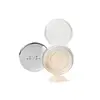 Key Ingredients
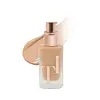
No key ingredients
Benefits
Concerns
Ingredients Side-by-side
Mica
Cosmetic ColorantSynthetic Fluorphlogopite
Vinyldimethicone

Zea Mays Starch
Absorbent
Magnesium Myristate


Aluminum Calcium Sodium Silicate
Methicone
Emollient
Silicone Resin
Phenoxyethanol
Preservative
CI 77492
Cosmetic ColorantTriethoxycaprylylsilane
CI 77491
Cosmetic ColorantCaprylic/Capric Triglyceride
Masking


Ethylhexylglycerin
Skin ConditioningMelaleuca Alternifolia Leaf Extract
Perfuming
Chrysanthellum Indicum Extract
Skin Conditioning
Mica, Synthetic Fluorphlogopite, Vinyldimethicone, Zea Mays Starch, Magnesium Myristate, Aluminum Calcium Sodium Silicate, Methicone, Silicone Resin, Phenoxyethanol, CI 77492, Triethoxycaprylylsilane, CI 77491, Caprylic/Capric Triglyceride, Ethylhexylglycerin, Melaleuca Alternifolia Leaf Extract, Chrysanthellum Indicum Extract
Water
Skin ConditioningIsohexadecane
EmollientNylon-12

Polymethylsilsesquioxane
Cetyl PEG/PPG-10/1 Dimethicone
Emulsifying
Polyglyceryl-2 Triisostearate
Emulsifying

Glycerin
Humectant
Undecane
EmollientPerlite
Absorbent
Propanediol
Solvent
Polyglyceryl-4 Isostearate
Emulsifying
Caprylic/Capric Triglyceride
Masking
Silica
Abrasive
Disteardimonium Hectorite
StabilisingIsononyl Isononanoate
EmollientTridecane
Perfuming
Cyclopentasiloxane
Emollient
Adipic Acid/Diglycol Crosspolymer
1,2-Hexanediol
Skin Conditioning
Caprylyl Glycol
Emollient
Aluminum Hydroxide
EmollientTriethoxycaprylylsilane
Dimethicone Crosspolymer
Emulsion Stabilising
Parfum
Masking
Tetrasodium EDTA
ChelatingDehydroxanthan Gum
Emulsion StabilisingTropolone
Skin ConditioningTocopherol
Antioxidant




Albatrellus Confluens Extract
Humectant
Albizia Julibrissin Bark Extract
MaskingCitric Acid
Buffering
Sodium Benzoate
Masking
CI 77891
Cosmetic ColorantCI 77492
Cosmetic ColorantCI 77491
Cosmetic ColorantCI 77499
Cosmetic ColorantWater, Isohexadecane, Nylon-12, Polymethylsilsesquioxane, Cetyl PEG/PPG-10/1 Dimethicone, Polyglyceryl-2 Triisostearate, Glycerin, Undecane, Perlite, Propanediol, Polyglyceryl-4 Isostearate, Caprylic/Capric Triglyceride, Silica, Disteardimonium Hectorite, Isononyl Isononanoate, Tridecane, Cyclopentasiloxane, Adipic Acid/Diglycol Crosspolymer, 1,2-Hexanediol, Caprylyl Glycol, Aluminum Hydroxide, Triethoxycaprylylsilane, Dimethicone Crosspolymer, Parfum, Tetrasodium EDTA, Dehydroxanthan Gum, Tropolone, Tocopherol, Albatrellus Confluens Extract, Albizia Julibrissin Bark Extract, Citric Acid, Sodium Benzoate, CI 77891, CI 77492, CI 77491, CI 77499
Ingredients Explained
These ingredients are found in both products.
Ingredients higher up in an ingredient list are typically present in a larger amount.
Caprylic/Capric Triglyceride (aka MCT Oil) is a lightweight emollient, solvent, and texture enhancer. It is considered a skin-softener by helping to prevent moisture loss.
Though it behaves like an oil, it is not technically one due to its chemical composition. One perk of this ingredient is that it is very stable, resistant to oxidation, and unlikely to go rancid.
In practice, that translates to a long shelf life and a consistently elegant skin feel.
While there is an assumption Caprylic Triglyceride can clog pores due to it being derived from coconut oil, there is no research supporting this. Just patch test if you have concerns.
Fractionated coconut oil and MCT Oil are both listed as Caprylic/Capric Triglyceride according to INCI. This is because INCI names are based on the ingredient’s final chemical composition and not its marketing name or source.
This ingredient is treated as the gold standard fungal acne safe oil. Even though it is coconut derived, the problematic lauric acid is stripped out.
This leaves just caprylic (C8) and capric (C10) acid. These chain lengths actually trend antifungal; a 2020 study found caprylic acid was enough to disrupt Malassezia furfur cell membrane, with a caprylic acid derivative damaging membrane structures at concentrations as low as 0.2%.
Learn more about Caprylic/Capric TriglycerideCi 77491 is also hydrated iron III oxide. It's sole purpose is to give a red/pink hue to products.
Iron III oxides are classified as inorganic chemicals for coloring.
Synthetically created Ci 77491 is considered safer than those naturally found. This is because the synthetically created version may contain less impurities. Iron oxides are generally non-toxic and non-allergenic.
Learn more about CI 77491CI 77492 is also hydrated iron III oxide. It's sole purpose is to give a yellow hue to products.
Iron III oxides are classified as inorganic chemicals for coloring.
Synthetically created CI 77492 is considered safer than those naturally found. This is because the synthetically created version may contain less impurities. Iron oxides are generally non-toxic and non-allergenic.
Learn more about CI 77492Triethoxycaprylylsilane is a silicon-based surface modifier that makes sunscreens feel silky and makeup stay put.
Its main job is to coat mineral particles like titanium dioxide, zinc oxide, and color pigments in a thin, oily layer so they spread smoothly, don't clump, and stick to skin better.
This ingredient is typically used at low levels (up to 2.5% in eyeshadow and 1% in lipstick).
Learn more about Triethoxycaprylylsilane

