

What's inside
What's inside
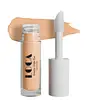 Key Ingredients
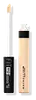
Benefits
Concerns
Ingredients Side-by-side
Water
Skin ConditioningCyclopentasiloxane
Emollient
Cyclohexasiloxane
Emollient
Glycerin
Humectant


Cetyl PEG/PPG-10/1 Dimethicone
Emulsifying
PEG-10 Dimethicone
Skin Conditioning
Trimethylsiloxysilicate
Emollient
Bentonite
Absorbent


Disteardimonium Hectorite
StabilisingPhenoxyethanol
Preservative
Propylene Glycol Dicaprylate/Dicaprate
EmollientSodium Chloride
MaskingMagnesium Sulfate
Tocopheryl Acetate
Antioxidant


Caffeine
Skin Conditioning
Ethylhexylglycerin
Skin ConditioningParfum
Masking




Triethoxycaprylylsilane
Sodium Hyaluronate
Humectant

Niacinamide
Smoothing



CI 77891
Cosmetic ColorantCI 77492
Cosmetic ColorantCI 77491
Cosmetic ColorantCI 77499
Cosmetic ColorantWater, Cyclopentasiloxane, Cyclohexasiloxane, Glycerin, Cetyl PEG/PPG-10/1 Dimethicone, PEG-10 Dimethicone, Trimethylsiloxysilicate, Bentonite, Disteardimonium Hectorite, Phenoxyethanol, Propylene Glycol Dicaprylate/Dicaprate, Sodium Chloride, Magnesium Sulfate, Tocopheryl Acetate, Caffeine, Ethylhexylglycerin, Parfum, Triethoxycaprylylsilane, Sodium Hyaluronate, Niacinamide, CI 77891, CI 77492, CI 77491, CI 77499
Water
Skin ConditioningCyclopentasiloxane
Emollient
Hydrogenated Polyisobutene
EmollientGlycerin
Humectant
Sorbitan Isostearate
Emulsifying
Propylene Glycol
Humectant
Titanium Dioxide
Cosmetic Colorant

Ozokerite
Emulsion StabilisingPhenoxyethanol
Preservative
Magnesium Sulfate
Disteardimonium Hectorite
StabilisingDisodium Stearoyl Glutamate
CleansingMethylparaben
Preservative
Acrylates Crosspolymer
AbsorbentAlumina
Abrasive
Butylparaben
Masking
Aluminum Hydroxide
EmollientTocopherol
Antioxidant
Silica
Abrasive
Chamomilla Recutita Extract
Skin Conditioning
CI 77891
Cosmetic ColorantIron Oxides
Mica
Cosmetic ColorantWater, Cyclopentasiloxane, Hydrogenated Polyisobutene, Glycerin, Sorbitan Isostearate, Propylene Glycol, Titanium Dioxide, Ozokerite, Phenoxyethanol, Magnesium Sulfate, Disteardimonium Hectorite, Disodium Stearoyl Glutamate, Methylparaben, Acrylates Crosspolymer, Alumina, Butylparaben, Aluminum Hydroxide, Tocopherol, Silica, Chamomilla Recutita Extract, CI 77891, Iron Oxides, Mica
Reviews
Ingredients Explained
These ingredients are found in both products.
Ingredients higher up in an ingredient list are typically present in a larger amount.
Ci 77891 is a white pigment from Titanium dioxide. It is naturally found in minerals such as rutile and ilmenite.
It's main function is to add a white color to cosmetics. It can also be mixed with other colors to create different shades.
Ci 77891 is commonly found in sunscreens due to its ability to block UV rays.
Learn more about CI 77891Cyclopentasiloxane (D5) is a lightweight silicone that mostly acts as an emollient and solvent in cosmetics. Its the reason your products feel silky, fast-spreading, and non-greasy.
Since D5 is volatile, it does its thing and then evaporates off the skin quickly.
The safety profile of this ingredient is reassuring; the US CIR Expert Panel concluded D5 is safe as used in cosmetics and Health Canada concluded that D5 is not harmful to human health or the environment as currently used in cosmetics
There's a study that people mention about D5 in a rat study showing tumors. This study is related to long-term inhalation of high D5 levels.
Regulatory bodies have judged this study to be not applicable in topical skincare since skin absorption of D5 is very low and we're not really inhaling huge amounts of D5.
The only restriction for this ingredient is environmental. The European Chemicals Agency (ECHA) restricted D5 in wash-off cosmetics at or above 0.1% due to their persistence in water.
Learn more about CyclopentasiloxaneDisteardimonium Hectorite comes from the clay mineral named hectorite. It is used to add thickness to a product.
It can also help stabilize a product by helping to disperse other ingredients.
Hectorite is a rare, white clay mineral.
Learn more about Disteardimonium HectoriteGlycerin (or glycerol) is a compound naturally found in your skin. It's a powerhouse humectant that pulls water into the stratum corneum.
Topically, glycerin does several things at once:
Your skin makes glycerin on its own (mostly from sebaceous oil breakdown) and shuttles it to your outermost layer of skin, or your epidermis, via aquaporin-3.
Aquaporin-3 is a transporter that is essential for normal skin hydration, elasticity, and repair. Interestingly, mice lacking in AQP3 have dry and less elastic skin that can be fully corrected with glycerin.
This ingredient is non-irritating, plays well with almost every ingredient, and works across all skin types. Typical use is anywhere between 3-10% but can go up to 79% in some leave-on products.
Just know very high concentrations (>40%) can feel tacky in low humidity.
Glycerin is the name for this ingredient in American English. British English uses Glycerol/Glycerine.
Learn more about GlycerinMagnesium Sulfate is a salt. More specifically, it is an epsom salt, or the bath salt used to help relieve muscle aches.
Despite having ‘sulfate’ in the name, it isn’t a surfactant or cleansing agent like sodium lauryl sulfate. Unlike those sulfates, magnesium sulfate doesn’t have the same cleansing or foaming properties (it's simply a type of salt).
In cosmetics, Magnesium Sulfate is used to thicken a product or help dilute other solids. It is a non-reactive and non-irritating ingredient.
One study shows magnesium deficiency may lead to inflammation of the skin. Applying magnesium topically may help reduce inflammation.
You can find this ingredient in sea water or mineral deposits.
Learn more about Magnesium SulfatePhenoxyethanol is one of the most widely used preservatives in skincare (and for good reason!).
It has a large spectrum of antimicrobial activity and especially effective bacteria, yeast, and mold while only having a weak effect on your skin's natural microbiome.
On a cellular level, it disrupts the cell membranes of microbes by poking holes that make the cell leak. This shuts down the chemical reactions the microbe needs to make energy so it can no longer survive.
Another perk of this ingredient is that it stays functional across a wide pH range (3-10).
You'll often see it paired with boosters like Ethylhexylglycerin; one study showed that a 1:9 ratio of Ethylhexylglycerin to Phenoxyethanol damages bacterial membranes as effectively as doubling the Phenoxyethanol concentration on its own.
Typical use concentrations range from 0.3-1% depending on the formula, and this ingredient is capped at 1% int the EU.
Safety-wise, the fear mongering does not hold up to the evidence. The EU's Scientific Committee on Consumer Safety and FDA consider it safe as a preservative at up to 1%, including for children of all ages.
Adverse systemic effects only showed up in animal studies at exposures roughly 200x higher than what people get from cosmetics. And despite its very widespread use, this ingredient is a rare sensitizer and allergic reactions are uncommon.
Learn more about PhenoxyethanolWater. It's the most common cosmetic ingredient of all. You'll usually see it at the top of ingredient lists, meaning that it makes up the largest part of the product.
So why is it so popular? Water most often acts as a solvent - this means that it helps dissolve other ingredients into the formulation.
You'll also recognize water as that liquid we all need to stay alive. If you see this, drink a glass of water. Remember to stay hydrated!
Learn more about Water

