
What's inside
What's inside
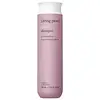 Key Ingredients
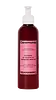
No key ingredients
Benefits
Concerns
Ingredients Side-by-side
Water
Skin ConditioningSodium Lauroyl Methyl Isethionate
CleansingCocamidopropyl Hydroxysultaine
Cleansing
Sodium Methyl Cocoyl Taurate
Cleansing
Glycol Distearate
Emollient

Decyl Glucoside
Cleansing
Sodium Cocoyl Glycinate
Cleansing
Linoleamidopropyl Pg-Dimonium Chloride Phosphate
Coco-Glucoside
Cleansing
Maltooligosyl Glucoside
Skin ConditioningHydrogenated Starch Hydrolysate
HumectantBehenyl Alcohol
Emollient
Sunfloweroyl Methylglucamide
CleansingSorbitan Laurate
Emulsifying
Polyquaternium-47
Skin ConditioningPropylene Glycol
Humectant

Sodium Polyaspartate
HumectantSorbeth-230 Tetraoleate
Emulsifying
Acrylates/Beheneth-25 Methacrylate Copolymer
Parfum
Masking


Sodium Hydroxide
BufferingSodium Benzoate
Masking
Hydroxyacetophenone
Antioxidant
Limonene
Perfuming
Hexyl Cinnamal
Perfuming
Linalool
Perfuming
Citronellol
Perfuming
Water, Sodium Lauroyl Methyl Isethionate, Cocamidopropyl Hydroxysultaine, Sodium Methyl Cocoyl Taurate, Glycol Distearate, Decyl Glucoside, Sodium Cocoyl Glycinate, Linoleamidopropyl Pg-Dimonium Chloride Phosphate, Coco-Glucoside, Maltooligosyl Glucoside, Hydrogenated Starch Hydrolysate, Behenyl Alcohol, Sunfloweroyl Methylglucamide, Sorbitan Laurate, Polyquaternium-47, Propylene Glycol, Sodium Polyaspartate, Sorbeth-230 Tetraoleate, Acrylates/Beheneth-25 Methacrylate Copolymer, Parfum, Sodium Hydroxide, Sodium Benzoate, Hydroxyacetophenone, Limonene, Hexyl Cinnamal, Linalool, Citronellol
Water
Skin ConditioningSodium Lauroyl Methyl Isethionate
CleansingCocamidopropyl Betaine
Cleansing
Glycerin
Humectant

Sodium Methyl Oleoyl Taurate
CleansingLauryl Glucoside
CleansingCoco-Glucoside
Cleansing
Hydroxypropyl Guar Hydroxypropyltrimonium Chloride
Psidium Guajava Leaf Extract
AstringentPsidium Guajava Fruit Extract
AstringentAloe Barbadensis Leaf
Masking

Parfum
Masking
Phenoxyethanol
Preservative
Polyquaternium-10
Ethylhexylglycerin
Skin ConditioningPanthenol
Skin Conditioning
Sodium Gluconate
ChelatingCitric Acid
Buffering

Water, Sodium Lauroyl Methyl Isethionate, Cocamidopropyl Betaine, Glycerin, Sodium Methyl Oleoyl Taurate, Lauryl Glucoside, Coco-Glucoside, Hydroxypropyl Guar Hydroxypropyltrimonium Chloride, Psidium Guajava Leaf Extract, Psidium Guajava Fruit Extract, Aloe Barbadensis Leaf, Parfum, Phenoxyethanol, Polyquaternium-10, Ethylhexylglycerin, Panthenol, Sodium Gluconate, Citric Acid
Reviews
Ingredients Explained
These ingredients are found in both products.
Ingredients higher up in an ingredient list are typically present in a larger amount.
Coco-Glucoside is a surfactant, or a cleansing ingredient. It is made from glucose and coconut oil.
Surfactants help gather dirt, oil, and other pollutants from your skin to be rinsed away.
This ingredient is considered gentle and non-comedogenic. However, it may still be irritating for some.
Learn more about Coco-GlucosideParfum is a catch-all term for an ingredient or more that is used to give a scent to products.
Also called "fragrance", this ingredient can be a blend of hundreds of chemicals or plant oils. This means every product with "fragrance" or "parfum" in the ingredients list is a different mixture.
For instance, Habanolide is a proprietary trade name for a specific aroma chemical. When used as a fragrance ingredient in cosmetics, most aroma chemicals fall under the broad labeling category of “FRAGRANCE” or “PARFUM” according to EU and US regulations.
The term 'parfum' or 'fragrance' is not regulated in many countries. In many cases, it is up to the brand to define this term.
For instance, many brands choose to label themselves as "fragrance-free" because they are not using synthetic fragrances. However, their products may still contain ingredients such as essential oils that are considered a fragrance by INCI standards.
One example is Calendula flower extract. Calendula is an essential oil that still imparts a scent or 'fragrance'.
Depending on the blend, the ingredients in the mixture can cause allergies and sensitivities on the skin. Some ingredients that are known EU allergens include linalool and citronellol.
Parfum can also be used to mask or cover an unpleasant scent.
The bottom line is: not all fragrances/parfum/ingredients are created equally. If you are worried about fragrances, we recommend taking a closer look at an ingredient. And of course, we always recommend speaking with a professional.
Learn more about ParfumSodium Lauroyl Methyl Isethionate is a gentle, sulfate-free cleansing agent. It's basically a mild "soap" molecule derived from coconut that makes a soft, cream foam and is very soluble in water.
Typical concentration use ranges from ~0.6-10% in rinse off products and only trace amounts (~0.009%) in leave on products.
The Cosmetic Ingredient Review Expert Panel has assessed it and concluded it to be safe as used at these concentrations when formulated to be non-irritating.
Allergy and sensitization risk is low and often when someone reacts to a cleanser it's due to the fragrance or preservatives rather than this ingredient itself.
Learn more about Sodium Lauroyl Methyl IsethionateWater. It's the most common cosmetic ingredient of all. You'll usually see it at the top of ingredient lists, meaning that it makes up the largest part of the product.
So why is it so popular? Water most often acts as a solvent - this means that it helps dissolve other ingredients into the formulation.
You'll also recognize water as that liquid we all need to stay alive. If you see this, drink a glass of water. Remember to stay hydrated!
Learn more about Water

