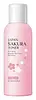
This brightening toner is formulated around Niacinamide and Portulaca Oleracea Extract to brighten dull-looking skin and fade the look of dark spots.
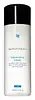
This calming toner is formulated around Aloe Barbadensis Extract to calm redness and hydrate skin.


What's inside
What's inside
 Key Ingredients
Benefits
Concerns
Ingredients Side-by-side
Water
Skin ConditioningPropylene Glycol
Humectant


Niacinamide
Smoothing











Butylene Glycol
Humectant
Portulaca Oleracea Extract
Skin Conditioning
Sodium Hyaluronate
Humectant
Prunus Lannesiana Flower Extract
Skin ConditioningAscorbic Acid
Antioxidant

Malic Acid
Buffering


Prunus Mume Fruit Extract
Humectant
Citric Acid
Buffering
Potassium Hydroxide
BufferingPhenoxyethanol
Preservative
Methylparaben
Preservative

DMDM Hydantoin
Preservative
Parfum
Masking

PEG-40 Hydrogenated Castor Oil
Emulsifying

CI 16255
Cosmetic ColorantDisodium EDTA
Water, Propylene Glycol, Niacinamide, Butylene Glycol, Portulaca Oleracea Extract, Sodium Hyaluronate, Prunus Lannesiana Flower Extract, Ascorbic Acid, Malic Acid, Prunus Mume Fruit Extract, Citric Acid, Potassium Hydroxide, Phenoxyethanol, Methylparaben, DMDM Hydantoin, Parfum, PEG-40 Hydrogenated Castor Oil, CI 16255, Disodium EDTA
Water
Skin ConditioningAloe Barbadensis Extract
Skin Conditioning
Vaccinium Myrtillus Bud Extract
Antioxidant
Hamamelis Virginiana Extract
Antiseborrhoeic
Phenoxyethanol
Preservative
Isoceteth-20
EmulsifyingSaccharum Officinarum Extract
MoisturisingPropylene Glycol
Humectant
Methylparaben
Preservative
Pvp
Emulsion StabilisingChlorphenesin
Antimicrobial
Citrus Aurantium Dulcis Peel Extract
Emulsion Stabilising
Citrus Aurantium Dulcis Fruit Extract
MaskingCitrus Limon Peel Extract
EmollientGlycerin
Humectant
Benzoic Acid
Masking
Acer Saccharum Extract
Skin ConditioningChamomilla Recutita Flower Extract
Masking
Rosmarinus Officinalis Extract
AntimicrobialRosmarinus Officinalis Leaf Extract
AntimicrobialThymus Vulgaris Extract
Perfuming
Citrus Aurantium Dulcis Oil
Masking
Water, Aloe Barbadensis Extract, Vaccinium Myrtillus Bud Extract, Hamamelis Virginiana Extract, Phenoxyethanol, Isoceteth-20, Saccharum Officinarum Extract, Propylene Glycol, Methylparaben, Pvp, Chlorphenesin, Citrus Aurantium Dulcis Peel Extract, Citrus Aurantium Dulcis Fruit Extract, Citrus Limon Peel Extract, Glycerin, Benzoic Acid, Acer Saccharum Extract, Chamomilla Recutita Flower Extract, Rosmarinus Officinalis Extract, Rosmarinus Officinalis Leaf Extract, Thymus Vulgaris Extract, Citrus Aurantium Dulcis Oil
Reviews
Ingredients Explained
These ingredients are found in both products.
Ingredients higher up in an ingredient list are typically present in a larger amount.
Methylparaben is a synthetic preservative and one of the most widely used in the world. It has a simple, but important job: prevent your products from going bad by stopping bacteria, yeast, and mold from growing.
Typical use levels are low, often 0.1-0.3%.
This is also one of the most heavily studied preservatives out there and major regulatory bodies have repeatedly given it the green light.
In 2023, the EU's Scientific Committee on Consumer Safety (SCCS) confirmed that this ingredient is safe up to 0.4% on its own, of up to 0.8% when mixed with other paraben esters.
Here's the science behind the noise behind parabens/hormones as well:
Methylparaben shows very weak estrogen-like activity in vitro tests (more than 1,000x weaker than your body's own estradiol). In vivo (live-organism) studies don't support a meaningful endocrine-disrupting effect either.
You get a stronger estrogenic effect from eating tofu, actually.
It's also a low sensitizer and allergic reactions are uncommon; they usually happen on damage or broken skin.
There is a caveat: France has proposed to formally re-examine its endocrine classification in 2025 so the regulatory conversation isn't fully closed as of yet.
But as it stands today, this ingredient is considered safe at permitted levels.
Learn more about MethylparabenPhenoxyethanol is one of the most widely used preservatives in skincare (and for good reason!).
It has a large spectrum of antimicrobial activity and especially effective bacteria, yeast, and mold while only having a weak effect on your skin's natural microbiome.
On a cellular level, it disrupts the cell membranes of microbes by poking holes that make the cell leak. This shuts down the chemical reactions the microbe needs to make energy so it can no longer survive.
Another perk of this ingredient is that it stays functional across a wide pH range (3-10).
You'll often see it paired with boosters like Ethylhexylglycerin; one study showed that a 1:9 ratio of Ethylhexylglycerin to Phenoxyethanol damages bacterial membranes as effectively as doubling the Phenoxyethanol concentration on its own.
Typical use concentrations range from 0.3-1% depending on the formula, and this ingredient is capped at 1% int the EU.
Safety-wise, the fear mongering does not hold up to the evidence. The EU's Scientific Committee on Consumer Safety and FDA consider it safe as a preservative at up to 1%, including for children of all ages.
Adverse systemic effects only showed up in animal studies at exposures roughly 200x higher than what people get from cosmetics. And despite its very widespread use, this ingredient is a rare sensitizer and allergic reactions are uncommon.
Learn more about PhenoxyethanolPropylene Glycol is a synthetic, colorless, odorless liquid that has been a staple in cosmetics for decades. It is a skin conditioning agent, humectant, and solvent.
As a humectant, it draw water to the skin to reduce flaking and restore suppleness. It's also a solvent that helps dissolve other actives and keeps formulas stable across temperature changes.
The CIR Expert Panel has confirmed this ingredient to be nontoxic and clinical studies show no sensitization at cosmetic use concentrations.
True allergic reactions are quite rare: a 15-year retrospective study of 6,751 patients found only 0.31% had a positive reaction (and less than half were considered clinically relevant).
It seemed that when sensitization does occur, it's most commonly linked to topical medication (like corticosteroids) and not cosmetics. Allergic contact dermatitis also appears largely limited to individuals with underlying skin conditions.
Overall, propylene glycol is a well-studied ingredient that most people can tolerate without issue.
Learn more about Propylene GlycolWater. It's the most common cosmetic ingredient of all. You'll usually see it at the top of ingredient lists, meaning that it makes up the largest part of the product.
So why is it so popular? Water most often acts as a solvent - this means that it helps dissolve other ingredients into the formulation.
You'll also recognize water as that liquid we all need to stay alive. If you see this, drink a glass of water. Remember to stay hydrated!
Learn more about Water

