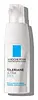
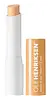
La Roche-Posay Toleriane Ultra Eye Cream Soothing Repair Moisturizer Versus Olehenriksen Banana Bright+ Vitamin CC Stick
This barrier-repair eye moisturizer is formulated around Squalane and Niacinamide to strengthen the skin barrier and calm redness.


What's inside
What's inside
 Key Ingredients
Benefits
Concerns
Ingredients Side-by-side
Water
Skin ConditioningGlycerin
Humectant


Squalane
Emollient
Propanediol
Solvent
Butylene Glycol
Humectant
Butyrospermum Parkii Butter
Skin Conditioning




Pentylene Glycol
Skin Conditioning
Niacinamide
Smoothing








Dimethicone
Emollient
Polymethylsilsesquioxane
Polysorbate 20
Emulsifying
Acetyl Dipeptide-1 Cetyl Ester
Skin Conditioning
Toluene Sulfonic Acid
SurfactantAmmonium Polyacryloyldimethyl Taurate
Emulsion StabilisingDimethiconol
Emollient
Disodium EDTA
Citric Acid
Buffering
Aluminum Starch Octenylsuccinate
Absorbent
Glyceryl Acrylate/Acrylic Acid Copolymer
HumectantWater, Glycerin, Squalane, Propanediol, Butylene Glycol, Butyrospermum Parkii Butter, Pentylene Glycol, Niacinamide, Dimethicone, Polymethylsilsesquioxane, Polysorbate 20, Acetyl Dipeptide-1 Cetyl Ester, Toluene Sulfonic Acid, Ammonium Polyacryloyldimethyl Taurate, Dimethiconol, Disodium EDTA, Citric Acid, Aluminum Starch Octenylsuccinate, Glyceryl Acrylate/Acrylic Acid Copolymer
Caprylic/Capric Triglyceride
Masking
Water
Skin ConditioningCera Microcristallina
Emulsion StabilisingSynthetic Wax
Abrasive
C9-12 Alkane
SolventTridecyl Trimellitate
EmollientPropanediol
Solvent
Mica
Cosmetic ColorantPolyglyceryl-3 Diisostearate
Emulsifying
Glycerin
Humectant
Butylene Glycol
Humectant
Polyglyceryl-6 Polyricinoleate
Emulsifying
Sodium Chloride
Masking3-O-Ethyl Ascorbic Acid
Skin Conditioning
Tetrahexyldecyl Ascorbate
Antioxidant
Caffeine
Skin Conditioning
Tocopherol
Antioxidant
Poncirus Trifoliata Fruit Extract
Skin ConditioningCitrus Nobilis Fruit Extract
MaskingCitrus Paradisi Peel Extract
Perfuming
Jojoba Esters
Emollient
Ethylhexylglycerin
Skin ConditioningSodium Phytate
Polysilicone-11
Phenoxyethanol
Preservative
Tin Oxide
Abrasive
CI 77491
Cosmetic ColorantCI 77492
Cosmetic ColorantCI 77499
Cosmetic ColorantCI 77891
Cosmetic ColorantCaprylic/Capric Triglyceride, Water, Cera Microcristallina, Synthetic Wax, C9-12 Alkane, Tridecyl Trimellitate, Propanediol, Mica, Polyglyceryl-3 Diisostearate, Glycerin, Butylene Glycol, Polyglyceryl-6 Polyricinoleate, Sodium Chloride, 3-O-Ethyl Ascorbic Acid, Tetrahexyldecyl Ascorbate, Caffeine, Tocopherol, Poncirus Trifoliata Fruit Extract, Citrus Nobilis Fruit Extract, Citrus Paradisi Peel Extract, Jojoba Esters, Ethylhexylglycerin, Sodium Phytate, Polysilicone-11, Phenoxyethanol, Tin Oxide, CI 77491, CI 77492, CI 77499, CI 77891
Ingredients Explained
These ingredients are found in both products.
Ingredients higher up in an ingredient list are typically present in a larger amount.
Butylene Glycol (or BG) is used within cosmetic products for a few different reasons:
Overall, Butylene Glycol is a safe and well-rounded ingredient that works well with other ingredients.
Though this ingredient works well with most skin types, some people with sensitive skin may experience a reaction such as allergic rashes, closed comedones, or itchiness.
Learn more about Butylene GlycolGlycerin (or glycerol) is a compound naturally found in your skin. It's a powerhouse humectant that pulls water into the stratum corneum.
Topically, glycerin does several things at once:
Your skin makes glycerin on its own (mostly from sebaceous oil breakdown) and shuttles it to your outermost layer of skin, or your epidermis, via aquaporin-3.
Aquaporin-3 is a transporter that is essential for normal skin hydration, elasticity, and repair. Interestingly, mice lacking in AQP3 have dry and less elastic skin that can be fully corrected with glycerin.
This ingredient is non-irritating, plays well with almost every ingredient, and works across all skin types. Typical use is anywhere between 3-10% but can go up to 79% in some leave-on products.
Just know very high concentrations (>40%) can feel tacky in low humidity.
Glycerin is the name for this ingredient in American English. British English uses Glycerol/Glycerine.
Learn more about GlycerinPropanediol is an all-star ingredient. It softens, hydrates, and smooths the skin.
It’s often used to:
Propanediol is not likely to cause sensitivity and considered safe to use. It is derived from corn or petroleum with a clear color and no scent.
Learn more about PropanediolWater. It's the most common cosmetic ingredient of all. You'll usually see it at the top of ingredient lists, meaning that it makes up the largest part of the product.
So why is it so popular? Water most often acts as a solvent - this means that it helps dissolve other ingredients into the formulation.
You'll also recognize water as that liquid we all need to stay alive. If you see this, drink a glass of water. Remember to stay hydrated!
Learn more about Water

