

What's inside
What's inside
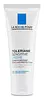 Key Ingredients
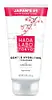
Benefits
Concerns
Ingredients Side-by-side
Water
Skin ConditioningGlycerin
Humectant


Squalane
Emollient
Dimethicone
Emollient
Zea Mays Starch
Absorbent
Niacinamide
Smoothing







Ammonium Polyacryloyldimethyl Taurate
Emulsion StabilisingMyristyl Myristate
Emollient


Stearic Acid
Cleansing
Ceramide NP
Skin Conditioning
Potassium Cetyl Phosphate
EmulsifyingGlyceryl Stearate Se
Emulsifying
Sodium Hydroxide
BufferingMyristic Acid
Cleansing
Palmitic Acid
Emollient
Capryloyl Glycine
CleansingCaprylyl Glycol
Emollient
Xanthan Gum
EmulsifyingWater, Glycerin, Squalane, Dimethicone, Zea Mays Starch, Niacinamide, Ammonium Polyacryloyldimethyl Taurate, Myristyl Myristate, Stearic Acid, Ceramide NP, Potassium Cetyl Phosphate, Glyceryl Stearate Se, Sodium Hydroxide, Myristic Acid, Palmitic Acid, Capryloyl Glycine, Caprylyl Glycol, Xanthan Gum
Sodium Cocoyl Glycinate
Cleansing
Glycerin
Humectant
Cocamidopropyl Betaine
Cleansing

Butylene Glycol
Humectant
Potassium Cocoyl Glycinate
Surfactant
Hydroxypropyl Starch Phosphate
Decyl Glucoside
Cleansing
PEG-400
Emulsion StabilisingWater
Skin ConditioningSodium Lauroyl Aspartate
CleansingBHT
Antioxidant
Citric Acid
Buffering
Disodium EDTA
Glyceryl Stearate Se
Emulsifying
Hydroxypropyl Methylcellulose
Emulsion StabilisingHydroxypropyltrimonium Hyaluronate
Lauric Acid
Cleansing
Methylisothiazolinone
Preservative

Mica
Cosmetic ColorantPEG-32
HumectantPhenoxyethanol
Preservative
Polyquaternium-7
Polyquaternium-52
Sodium Acetylated Hyaluronate
Humectant
Sodium Stearoyl Glutamate
CleansingStearic Acid
Cleansing
Titanium Dioxide
Cosmetic Colorant

Sodium Cocoyl Glycinate, Glycerin, Cocamidopropyl Betaine, Butylene Glycol, Potassium Cocoyl Glycinate, Hydroxypropyl Starch Phosphate, Decyl Glucoside, PEG-400, Water, Sodium Lauroyl Aspartate, BHT, Citric Acid, Disodium EDTA, Glyceryl Stearate Se, Hydroxypropyl Methylcellulose, Hydroxypropyltrimonium Hyaluronate, Lauric Acid, Methylisothiazolinone, Mica, PEG-32, Phenoxyethanol, Polyquaternium-7, Polyquaternium-52, Sodium Acetylated Hyaluronate, Sodium Stearoyl Glutamate, Stearic Acid, Titanium Dioxide
Reviews
Ingredients Explained
These ingredients are found in both products.
Ingredients higher up in an ingredient list are typically present in a larger amount.
Glycerin (or glycerol) is a compound naturally found in your skin. It's a powerhouse humectant that pulls water into the stratum corneum.
Topically, glycerin does several things at once:
Your skin makes glycerin on its own (mostly from sebaceous oil breakdown) and shuttles it to your outermost layer of skin, or your epidermis, via aquaporin-3.
Aquaporin-3 is a transporter that is essential for normal skin hydration, elasticity, and repair. Interestingly, mice lacking in AQP3 have dry and less elastic skin that can be fully corrected with glycerin.
This ingredient is non-irritating, plays well with almost every ingredient, and works across all skin types. Typical use is anywhere between 3-10% but can go up to 79% in some leave-on products.
Just know very high concentrations (>40%) can feel tacky in low humidity.
Glycerin is the name for this ingredient in American English. British English uses Glycerol/Glycerine.
Learn more about GlycerinGlyceryl Stearate Se is a self-emulsifying (SE) form of glyceryl stearate. Self-emusifying means this ingredient automatically blends with water. It is an emulsifier, emollient, and cleansing agent.
As an emulsifier, Glyceryl Stearate Se prevents ingredients such as oil and water from separating. It is also a surfactant, meaning it helps cleanse the skin. Surfactants help gather oil, dirt, and other pollutants so they may be rinsed away easily.
Emollients help your skin stay smooth and soft. It does so by creating a film on top of the skin that helps trap moisture in.
Learn more about Glyceryl Stearate SeStearic Acid is a fatty acid that is already found in your skin. It's one of the free fatty acids that works alongside ceramides and cholesterols to maintain your barrier.
In cosmetics, it is a multitasker:
Safety-wise, the CIR Expert Panel has concluded it to be safe in cosmetics when formulated to be non-irritating and non-sensitizing.
Free stearic acid is a C18 fatty acid that the Malassezia yeast can substrate, so this ingredient may not be fungal acne safe.
Learn more about Stearic AcidWater. It's the most common cosmetic ingredient of all. You'll usually see it at the top of ingredient lists, meaning that it makes up the largest part of the product.
So why is it so popular? Water most often acts as a solvent - this means that it helps dissolve other ingredients into the formulation.
You'll also recognize water as that liquid we all need to stay alive. If you see this, drink a glass of water. Remember to stay hydrated!
Learn more about Water
