
What's inside
What's inside
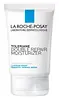 Key Ingredients
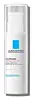
Benefits
Concerns
Ingredients Side-by-side
Water
Skin ConditioningGlycerin
Humectant


Squalane
Emollient
Dimethicone
Emollient
Zea Mays Starch
Absorbent
Niacinamide
Smoothing







Ammonium Polyacryloyldimethyl Taurate
Emulsion StabilisingMyristyl Myristate
Emollient


Stearic Acid
Cleansing
Ceramide NP
Skin Conditioning
Potassium Cetyl Phosphate
EmulsifyingGlyceryl Stearate Se
Emulsifying
Sodium Hydroxide
BufferingMyristic Acid
Cleansing
Palmitic Acid
Emollient
Capryloyl Glycine
CleansingCaprylyl Glycol
Emollient
Xanthan Gum
EmulsifyingWater, Glycerin, Squalane, Dimethicone, Zea Mays Starch, Niacinamide, Ammonium Polyacryloyldimethyl Taurate, Myristyl Myristate, Stearic Acid, Ceramide NP, Potassium Cetyl Phosphate, Glyceryl Stearate Se, Sodium Hydroxide, Myristic Acid, Palmitic Acid, Capryloyl Glycine, Caprylyl Glycol, Xanthan Gum
Water
Skin ConditioningGlycerin
Humectant
Isostearyl Neopentanoate
Emollient
Butylene Glycol
Humectant
Boron Nitride
Absorbent
Butyrospermum Parkii Butter
Skin Conditioning
CI 77891
Cosmetic ColorantPentylene Glycol
Skin Conditioning
Hydrogenated Coco-Glycerides
Emollient
Polysorbate 20
Emulsifying
Zea Mays Starch
Absorbent
Schisandra Sphenanthera Fruit Extract
Antioxidant
Tin Oxide
Abrasive
Sorbitan Oleate
Emulsifying
Glyceryl Acrylate/Acrylic Acid Copolymer
HumectantGlyceryl Stearate Citrate
Emollient
Isohexadecane
EmollientSphingomonas Ferment Extract
Skin Conditioning
Silica
Abrasive
Aluminum Hydroxide
EmollientMannitol
Humectant
Ammonium Polyacryloyldimethyl Taurate
Emulsion StabilisingHydrogenated Lecithin
Emulsifying
Caprylyl Glycol
Emollient
Citric Acid
Buffering

Trisodium Ethylenediamine Disuccinate
Acetyl Dipeptide-1 Cetyl Ester
Skin Conditioning
Maltodextrin
Absorbent
Polysorbate 80
Emulsifying
Acrylamide/Sodium Acryloyldimethyltaurate Copolymer
Emulsion StabilisingMica
Cosmetic ColorantCI 77288
Cosmetic ColorantCI 77491
Cosmetic ColorantCI 77492
Cosmetic ColorantCI 77499
Cosmetic ColorantWater, Glycerin, Isostearyl Neopentanoate, Butylene Glycol, Boron Nitride, Butyrospermum Parkii Butter, CI 77891, Pentylene Glycol, Hydrogenated Coco-Glycerides, Polysorbate 20, Zea Mays Starch, Schisandra Sphenanthera Fruit Extract, Tin Oxide, Sorbitan Oleate, Glyceryl Acrylate/Acrylic Acid Copolymer, Glyceryl Stearate Citrate, Isohexadecane, Sphingomonas Ferment Extract, Silica, Aluminum Hydroxide, Mannitol, Ammonium Polyacryloyldimethyl Taurate, Hydrogenated Lecithin, Caprylyl Glycol, Citric Acid, Trisodium Ethylenediamine Disuccinate, Acetyl Dipeptide-1 Cetyl Ester, Maltodextrin, Polysorbate 80, Acrylamide/Sodium Acryloyldimethyltaurate Copolymer, Mica, CI 77288, CI 77491, CI 77492, CI 77499
Reviews
Ingredients Explained
These ingredients are found in both products.
Ingredients higher up in an ingredient list are typically present in a larger amount.
Ammonium Polyacryloyldimethyl Taurate is a polymer made from ammonium salts. It works as a thickener, emulsifier, and texture enhancer that gives gel-creams a silky, lightweight feel.
This ingredient is versatile and low-maintenance so manufacturers love working with it.
Typical usage levels in cosmetics are usually low and in the range of 0.015 - 2.3%.
Learn more about Ammonium Polyacryloyldimethyl TaurateCaprylyl Glycol is a humectant, skin conditioner, emollient, and preservative booster derived from either caprylic acid or synthetically created.
Typical use levels vary from 0.3-1% as a preservative booster and go up to 2% to condition skin.
Because it is not a free-fatty acid, this ingredient is fungal acne safe (there's nothing for Malassezia to feed on).
Learn more about Caprylyl GlycolGlycerin (or glycerol) is a compound naturally found in your skin. It's a powerhouse humectant that pulls water into the stratum corneum.
Topically, glycerin does several things at once:
Your skin makes glycerin on its own (mostly from sebaceous oil breakdown) and shuttles it to your outermost layer of skin, or your epidermis, via aquaporin-3.
Aquaporin-3 is a transporter that is essential for normal skin hydration, elasticity, and repair. Interestingly, mice lacking in AQP3 have dry and less elastic skin that can be fully corrected with glycerin.
This ingredient is non-irritating, plays well with almost every ingredient, and works across all skin types. Typical use is anywhere between 3-10% but can go up to 79% in some leave-on products.
Just know very high concentrations (>40%) can feel tacky in low humidity.
Glycerin is the name for this ingredient in American English. British English uses Glycerol/Glycerine.
Learn more about GlycerinWater. It's the most common cosmetic ingredient of all. You'll usually see it at the top of ingredient lists, meaning that it makes up the largest part of the product.
So why is it so popular? Water most often acts as a solvent - this means that it helps dissolve other ingredients into the formulation.
You'll also recognize water as that liquid we all need to stay alive. If you see this, drink a glass of water. Remember to stay hydrated!
Learn more about WaterZea Mays Starch is starch made from corn. You might know this as cornstarch . It is used to thicken a product. It can replace talc as an absorbent.
The pH of cornstarch is 5.92.
Cornstarch is a common food ingredient used to thicken soups or to make corn syrup.
Learn more about Zea Mays Starch

