
What's inside
What's inside
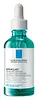 Key Ingredients
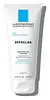
Benefits
Concerns
Ingredients Side-by-side
Water
Skin ConditioningAlcohol Denat.
Antimicrobial




Propanediol
Solvent

Glycolic Acid
Buffering









Niacinamide
Smoothing


Dimethyl Isosorbide
SolventPentylene Glycol
Skin Conditioning
Salicylic Acid
Masking

Sodium Hydroxide
BufferingPEG-60 Hydrogenated Castor Oil
Emulsifying

Hydroxyethylpiperazine Ethane Sulfonic Acid
BufferingCitric Acid
Buffering
PEG-30 Glyceryl Cocoate
Emulsifying
Capryloyl Salicylic Acid
Exfoliating
Biosaccharide Gum-1
Humectant
Maltodextrin
Absorbent
Phytic Acid
Polyquaternium-10
Parfum
Masking

Water, Alcohol Denat., Propanediol, Glycolic Acid, Niacinamide, Dimethyl Isosorbide, Pentylene Glycol, Salicylic Acid, Sodium Hydroxide, PEG-60 Hydrogenated Castor Oil, Hydroxyethylpiperazine Ethane Sulfonic Acid, Citric Acid, PEG-30 Glyceryl Cocoate, Capryloyl Salicylic Acid, Biosaccharide Gum-1, Maltodextrin, Phytic Acid, Polyquaternium-10, Parfum
Water
Skin ConditioningSodium Laureth Sulfate
Cleansing
Decyl Glucoside
Cleansing
Glycerin
Humectant
Sodium Chloride
MaskingCoco-Betaine
Cleansing
PEG-150 Pentaerythrityl Tetrastearate
Emulsifying
Hexylene Glycol
EmulsifyingSodium Hydroxide
BufferingPEG-6 Caprylic/Capric Glycerides
EmulsifyingZinc Gluconate
Skin Conditioning
Tetrasodium EDTA
Polyquaternium-47
Skin ConditioningMenthol
Masking
Capryloyl Salicylic Acid
Exfoliating
Citric Acid
Buffering
Reviews
Ingredients Explained
These ingredients are found in both products.
Ingredients higher up in an ingredient list are typically present in a larger amount.
Capryloyl Salicylic Acid comes from salicylic acid, the famous acne-fighting BHA.
It usually goes by a more common name of LHA, or lipohydroxy acid.
Like salicylic acid, this ingredient is a chemical exfoliant that can help break down the oil in your pores and reduce inflammation.
Though studies for LHA do show it to be less effective than salicylic acid. To be fair, salicylic acid is the reigning monarch of acne treatments.
However, a study from 2009 found LHA to be comparable to BPO, making it a good alternative for people with sensitive skin. Another study of 14 patients found a significant decrease in comedones after using LHA.
Another pro of LHA? It is less irritating than salicylic acid due to its large molecule size.
Large molecules cannot penetrate skin as well, so they are gentler on the skin. LHA is much less penetrative than salicylic acid.
An in-vitro study (not done on a living organism) found only 6% of LHA penetrated past the statum corneum compared to 58% of salicylic acid. An in-vivo (done on a living organism) analysis revealed ~17% of LHA was still present in the top layer of skin after 4 days, versus ~9% of salicylic acid.
Interestingly, a study from 2008 found LHA comparable to another famous acid, glycolic acid.
This study found about 10% of LHA is as effective as 20-50% of glycolic acid in treating hyperpigmentation and fine-lines.
Hydroxy acids have been found to stimulate skin protein, lipids, and thermal thickening. This may have anti-aging benefits.
Learn more about Capryloyl Salicylic AcidCitric Acid is an alpha hydroxy acid (AHA) naturally found in citrus fruits like oranges, lemons, and limes.
Like other AHAs, citric acid can exfoliate skin by breaking down the bonds that hold dead skin cells together. This helps reveal smoother and brighter skin underneath.
However, this exfoliating effect only happens at high concentrations (20%) which can be hard to find in cosmetic products.
Due to this, citric acid is usually included in small amounts as a pH adjuster. This helps keep products slightly more acidic and compatible with skin's natural pH.
In skincare formulas, citric acid can:
While it can provide some skin benefits, research shows lactic acid and glycolic acid are generally more effective and less irritating exfoliants.
Most citric acid used in skincare today is made by fermenting sugars (usually from molasses). This synthetic version is identical to the natural citrus form but easier to stabilize and use in formulations.
Read more about some other popular AHA's here:
Learn more about Citric AcidSodium Hydroxide is also known as lye or caustic soda. It is used to adjust the pH of products; many ingredients require a specific pH to be effective.
In small amounts, sodium hydroxide is considered safe to use. However, large amounts may cause chemical burns due to its high alkaline.
Your skin has a natural pH and acid mantle. This acid mantle helps prevent harmful bacteria from breaking through. The acid mantle also helps keep your skin hydrated.
"Alkaline" refers to a high pH level. A low pH level would be considered acidic.
Learn more about Sodium HydroxideWater. It's the most common cosmetic ingredient of all. You'll usually see it at the top of ingredient lists, meaning that it makes up the largest part of the product.
So why is it so popular? Water most often acts as a solvent - this means that it helps dissolve other ingredients into the formulation.
You'll also recognize water as that liquid we all need to stay alive. If you see this, drink a glass of water. Remember to stay hydrated!
Learn more about Water
