La Roche-Posay Cicaplast B5 Pro Multi-Action Repair Mask Versus iUNIK Beta-Glucan Family Moisture Mask
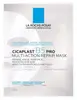
This barrier-repair sheet mask is formulated around Panthenol and Centella Asiatica Leaf Extract to strengthen the skin barrier and calm redness.
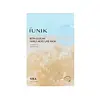
This hydrating sheet mask is formulated around Sodium Hyaluronate and Beta-Glucan to hydrate skin and strengthen the skin barrier.


What's inside
What's inside
 Key Ingredients
Benefits
Concerns
No concerns
Ingredients Side-by-side
Water
Skin ConditioningPropanediol
Solvent

Glycerin
Humectant
PEG/PPG/Polybutylene Glycol-8/5/3 Glycerin
HumectantPentylene Glycol
Skin Conditioning
Ammonium Polyacryloyldimethyl Taurate
Emulsion StabilisingSodium Polyacrylate
Absorbent
Citric Acid
Buffering


Panthenol
Skin Conditioning

Centella Asiatica Leaf Extract
Skin Conditioning
Methyldihydrojasmonate
MaskingSodium Hyaluronate
Humectant
Trisodium Ethylenediamine Disuccinate
Ceramide NP
Skin Conditioning
Bisabolol
Antioxidant
Hydrolyzed Rice Protein
Skin ConditioningWater, Propanediol, Glycerin, PEG/PPG/Polybutylene Glycol-8/5/3 Glycerin, Pentylene Glycol, Ammonium Polyacryloyldimethyl Taurate, Sodium Polyacrylate, Citric Acid, Panthenol, Centella Asiatica Leaf Extract, Methyldihydrojasmonate, Sodium Hyaluronate, Trisodium Ethylenediamine Disuccinate, Ceramide NP, Bisabolol, Hydrolyzed Rice Protein
Water
Skin ConditioningButylene Glycol
Humectant
Propanediol
Solvent
Glycerin
Humectant
1,2-Hexanediol
Skin Conditioning
Hydroxyacetophenone
Antioxidant
Arginine
Masking
Carbomer
Emulsion StabilisingSodium Hyaluronate
Humectant
Ethylhexylglycerin
Skin ConditioningPolyglyceryl-10 Laurate
Skin Conditioning
Xanthan Gum
EmulsifyingRosa Damascena Flower Water
Masking
Disodium EDTA
Pyrus Communis Fruit Extract
Skin ConditioningSodium Polyacrylate
Absorbent
Glutathione

Hedera Helix Leaf/Stem Extract
AntimicrobialGlyceryl Acrylate/Acrylic Acid Copolymer
HumectantHydrogenated Lecithin
Emulsifying
Beta-Glucan
Skin Conditioning
Sodium Acetylated Hyaluronate
Humectant
Potassium Hyaluronate
Skin ConditioningHydroxypropyltrimonium Hyaluronate
Hydrolyzed Hyaluronic Acid
Humectant
Hyaluronic Acid
Humectant
Water, Butylene Glycol, Propanediol, Glycerin, 1,2-Hexanediol, Hydroxyacetophenone, Arginine, Carbomer, Sodium Hyaluronate, Ethylhexylglycerin, Polyglyceryl-10 Laurate, Xanthan Gum, Rosa Damascena Flower Water, Disodium EDTA, Pyrus Communis Fruit Extract, Sodium Polyacrylate, Glutathione, Hedera Helix Leaf/Stem Extract, Glyceryl Acrylate/Acrylic Acid Copolymer, Hydrogenated Lecithin, Beta-Glucan, Sodium Acetylated Hyaluronate, Potassium Hyaluronate, Hydroxypropyltrimonium Hyaluronate, Hydrolyzed Hyaluronic Acid, Hyaluronic Acid
Ingredients Explained
These ingredients are found in both products.
Ingredients higher up in an ingredient list are typically present in a larger amount.
Glycerin (or glycerol) is a compound naturally found in your skin. It's a powerhouse humectant that pulls water into the stratum corneum.
Topically, glycerin does several things at once:
Your skin makes glycerin on its own (mostly from sebaceous oil breakdown) and shuttles it to your outermost layer of skin, or your epidermis, via aquaporin-3.
Aquaporin-3 is a transporter that is essential for normal skin hydration, elasticity, and repair. Interestingly, mice lacking in AQP3 have dry and less elastic skin that can be fully corrected with glycerin.
This ingredient is non-irritating, plays well with almost every ingredient, and works across all skin types. Typical use is anywhere between 3-10% but can go up to 79% in some leave-on products.
Just know very high concentrations (>40%) can feel tacky in low humidity.
Glycerin is the name for this ingredient in American English. British English uses Glycerol/Glycerine.
Learn more about GlycerinPropanediol is an all-star ingredient. It softens, hydrates, and smooths the skin.
It’s often used to:
Propanediol is not likely to cause sensitivity and considered safe to use. It is derived from corn or petroleum with a clear color and no scent.
Learn more about PropanediolSodium Hyaluronate is the salt form of hyaluronic acid. It is a long sugar chain that is naturally found in your skin, joints, and connective tissue that maintains hydration and elasticity.
In skincare, it works as a humectant. It pulls water from the environment and deeper layers of skin and binds it to the surface.
Interestingly, the size of the molecule affects its behavior:
Some clinical evidence links low molecular weight versions to improved wrinkle depth, elasticity, anti-inflammatory effects, and barrier repair.
Many serums use a blend of both weights so you can get surface hydration plus longer-lasting and deeper effects.
You'll typically see concentrations between 0.1-2% for this ingredient.
Learn more about Sodium HyaluronateSodium Polyacrylate is the sodium salt of polyacrylic acid. It is used as an absorber, emollient, and stabilizer.
This ingredient is a super-absorbent polymer - meaning it can absorb 100 to 1000 times its mass in water. As an emollient, Sodium Polyacrylate helps soften and soothe skin. Emollients work by creating a barrier to trap moisture in. This helps keep your skin hydrated.
Water. It's the most common cosmetic ingredient of all. You'll usually see it at the top of ingredient lists, meaning that it makes up the largest part of the product.
So why is it so popular? Water most often acts as a solvent - this means that it helps dissolve other ingredients into the formulation.
You'll also recognize water as that liquid we all need to stay alive. If you see this, drink a glass of water. Remember to stay hydrated!
Learn more about Water

