

What's inside
What's inside
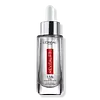 Key Ingredients
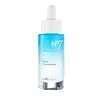
Benefits
Concerns
No concerns
Ingredients Side-by-side



Water
Skin ConditioningGlycerin
Humectant



PEG-40 Hydrogenated Castor Oil
Emulsifying

Xylitylglucoside
Humectant
Phenoxyethanol
Preservative
Sodium Hyaluronate
Humectant
Panthenol
Skin Conditioning

Acrylates/C10-30 Alkyl Acrylate Crosspolymer
Emulsion StabilisingAnhydroxylitol
Humectant
Tocopheryl Acetate
Antioxidant

Caprylyl Glycol
Emollient
Sodium Benzoate
Masking
Xylitol
Humectant
Ascorbyl Glucoside
Antioxidant


Propylene Glycol
Humectant

Potassium Hydroxide
BufferingTetrasodium EDTA
Ethylhexylglycerin
Skin ConditioningParfum
Masking
Glucose
Humectant
Butylene Glycol
Humectant
Panax Ginseng Root Extract
Emollient
Biosaccharide Gum-4
Skin Conditioning
Dipropylene Glycol
HumectantMorus Alba Leaf Extract
Skin ConditioningWater, Glycerin, PEG-40 Hydrogenated Castor Oil, Xylitylglucoside, Phenoxyethanol, Sodium Hyaluronate, Panthenol, Acrylates/C10-30 Alkyl Acrylate Crosspolymer, Anhydroxylitol, Tocopheryl Acetate, Caprylyl Glycol, Sodium Benzoate, Xylitol, Ascorbyl Glucoside, Propylene Glycol, Potassium Hydroxide, Tetrasodium EDTA, Ethylhexylglycerin, Parfum, Glucose, Butylene Glycol, Panax Ginseng Root Extract, Biosaccharide Gum-4, Dipropylene Glycol, Morus Alba Leaf Extract
Reviews
Ingredients Explained
These ingredients are found in both products.
Ingredients higher up in an ingredient list are typically present in a larger amount.
Ascorbyl Glucoside is a stable form of Vitamin C. It is created by combining glucose from starch.
When applied to skin, Ascorbyl Glucoside turns into Ascorbic Acid.
Ascorbyl Glucoside is an antioxidant. Antioxidants help fight free-radicals, or molecules that may damage skin cells.
It can help to reduce redness, improve skin texture, reduce the effects of aging, reduce the visibility of dark spots, and brighten skin.
Read more about other types of Vitamin C:
Learn more about Ascorbyl GlucosideGlycerin is already naturally found in your skin. It helps moisturize and protect your skin.
A study from 2016 found glycerin to be more effective as a humectant than AHAs and hyaluronic acid.
As a humectant, it helps the skin stay hydrated by pulling moisture to your skin. The low molecular weight of glycerin allows it to pull moisture into the deeper layers of your skin.
Hydrated skin improves your skin barrier; Your skin barrier helps protect against irritants and bacteria.
Glycerin has also been found to have antimicrobial and antiviral properties. Due to these properties, glycerin is often used in wound and burn treatments.
In cosmetics, glycerin is usually derived from plants such as soybean or palm. However, it can also be sourced from animals, such as tallow or animal fat.
This ingredient is organic, colorless, odorless, and non-toxic.
Glycerin is the name for this ingredient in American English. British English uses Glycerol/Glycerine.
Learn more about GlycerinPhenoxyethanol is a preservative that has germicide, antimicrobial, and aromatic properties. Studies show that phenoxyethanol can prevent microbial growth. By itself, it has a scent that is similar to that of a rose.
It's often used in formulations along with Caprylyl Glycol to preserve the shelf life of products.
Sodium Hyaluronate is hyaluronic acid's salt form. It is commonly derived from the sodium salt of hyaluronic acid.
Like hyaluronic acid, it is great at holding water and acts as a humectant. This makes it a great skin hydrating ingredient.
Sodium Hyaluronate is naturally occurring in our bodies and is mostly found in eye fluid and joints.
These are some other common types of Hyaluronic Acid:
Learn more about Sodium HyaluronateWater. It's the most common cosmetic ingredient of all. You'll usually see it at the top of ingredient lists, meaning that it makes up the largest part of the product.
So why is it so popular? Water most often acts as a solvent - this means that it helps dissolve other ingredients into the formulation.
You'll also recognize water as that liquid we all need to stay alive. If you see this, drink a glass of water. Stay hydrated!
Learn more about Water
