

What's inside
What's inside
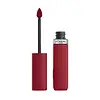 Key Ingredients
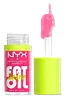
Benefits
Concerns
Ingredients Side-by-side
Dimethicone
Emollient

Isododecane
EmollientTrimethylsiloxysilicate
Emollient
Nylon-611/Dimethicone Copolymer
Skin Conditioning
Dimethicone Crosspolymer
Emulsion Stabilising
C30-45 Alkyldimethylsilyl Polypropylsilsesquioxane
Lauroyl Lysine
Skin Conditioning
Silica Silylate
Emollient
Phenoxyethanol
Preservative
Ethylhexyl Palmitate
Emollient




Triethoxysilylethyl Polydimethylsiloxyethyl Dimethicone
Skin Conditioning
Isopropyl Titanium Triisostearate
Emollient
Trihydroxystearin
Skin Conditioning
Benzyl Alcohol
Perfuming




Sodium Hyaluronate
Humectant




Glucomannan
Skin ConditioningParfum
Masking
CI 77891
Cosmetic ColorantCI 15850
Cosmetic ColorantCI 77491
Cosmetic ColorantCI 77492
Cosmetic ColorantCI 77499
Cosmetic ColorantCI 45380
Cosmetic ColorantCI 45410
Cosmetic ColorantCI 15985
Cosmetic ColorantCI 19140
Cosmetic ColorantCI 42090
Cosmetic ColorantDimethicone, Isododecane, Trimethylsiloxysilicate, Nylon-611/Dimethicone Copolymer, Dimethicone Crosspolymer, C30-45 Alkyldimethylsilyl Polypropylsilsesquioxane, Lauroyl Lysine, Silica Silylate, Phenoxyethanol, Ethylhexyl Palmitate, Triethoxysilylethyl Polydimethylsiloxyethyl Dimethicone, Isopropyl Titanium Triisostearate, Trihydroxystearin, Benzyl Alcohol, Sodium Hyaluronate, Glucomannan, Parfum, CI 77891, CI 15850, CI 77491, CI 77492, CI 77499, CI 45380, CI 45410, CI 15985, CI 19140, CI 42090
Polyisobutene
Hydrogenated Polyisobutene
EmollientPentaerythrityl Tetraisostearate
Emollient
Paraffinum Liquidum
Emollient
Diisostearyl Malate
EmollientPolyglyceryl-3 Diisostearate
Emulsifying
Rosa Canina Fruit Oil
Emollient
Rubus Chamaemorus Seed Oil
Skin Conditioning
Rubus Idaeus Seed Oil
Emollient
Squalane
Emollient
Aroma
Caprylic/Capric Triglyceride
Masking
Dibutyl Ethylhexanoyl Glutamide
Skin ConditioningEthylhexylglycerin
Skin ConditioningTocopherol
Antioxidant



Tocopheryl Acetate
Antioxidant
Diethylhexyl Syringylidenemalonate
Skin Protecting
Sorbic Acid
Preservative
Phenoxyethanol
Preservative
Benzyl Alcohol
Perfuming
Polyisobutene, Hydrogenated Polyisobutene, Pentaerythrityl Tetraisostearate, Paraffinum Liquidum, Diisostearyl Malate, Polyglyceryl-3 Diisostearate, Rosa Canina Fruit Oil, Rubus Chamaemorus Seed Oil, Rubus Idaeus Seed Oil, Squalane, Aroma, Caprylic/Capric Triglyceride, Dibutyl Ethylhexanoyl Glutamide, Ethylhexylglycerin, Tocopherol, Tocopheryl Acetate, Diethylhexyl Syringylidenemalonate, Sorbic Acid, Phenoxyethanol, Benzyl Alcohol
Reviews
Ingredients Explained
These ingredients are found in both products.
Ingredients higher up in an ingredient list are typically present in a larger amount.
Benzyl Alcohol is an aromatic alcohol with several roles: it's a preservative, solvent, and mild fragrance component with a floral scent.
This ingredient has been deemed safe for use in cosmetic formulations at concentrations up to 5%, and up to 10% in hair dyes. You'll typically see 0.5-2% in most rinse-off or leave-on products.
As a preservative, it works by disrupting the membrane of microbial proteins. This helps keep bacteria and fungi from growing in your products.
The sensitization picture is actually quite assuring as well:of nearly 71,000 patients patch tested with benzyl alcohol, only 0.21% showed a positive reaction with most of them being weakly positive.
This led researchers to conclude that benzyl alcohol cannot be regarded as a significant contact allergen.
It is worth noting this ingredient is classified as one of the EU's regulated fragrance allergens and restricted to 1% in finished products.
Labels must also declare it in concentrations above 0.001% in leave-on products and 0.01% in rinse-off products.
At concentrations around 5%, localized redness and itching can appear as a direct irritant response and not as a true allergic reaction.
Learn more about Benzyl AlcoholPhenoxyethanol is one of the most widely used preservatives in skincare (and for good reason!).
It has a large spectrum of antimicrobial activity and especially effective bacteria, yeast, and mold while only having a weak effect on your skin's natural microbiome.
On a cellular level, it disrupts the cell membranes of microbes by poking holes that make the cell leak. This shuts down the chemical reactions the microbe needs to make energy so it can no longer survive.
Another perk of this ingredient is that it stays functional across a wide pH range (3-10).
You'll often see it paired with boosters like Ethylhexylglycerin; one study showed that a 1:9 ratio of Ethylhexylglycerin to Phenoxyethanol damages bacterial membranes as effectively as doubling the Phenoxyethanol concentration on its own.
Typical use concentrations range from 0.3-1% depending on the formula, and this ingredient is capped at 1% int the EU.
Safety-wise, the fear mongering does not hold up to the evidence. The EU's Scientific Committee on Consumer Safety and FDA consider it safe as a preservative at up to 1%, including for children of all ages.
Adverse systemic effects only showed up in animal studies at exposures roughly 200x higher than what people get from cosmetics. And despite its very widespread use, this ingredient is a rare sensitizer and allergic reactions are uncommon.
Learn more about Phenoxyethanol

