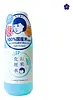
This hydrating toner is formulated around Oryza Sativa Bran Oil and Sphingolipids to hydrate skin and strengthen the skin barrier.

What's inside
What's inside
 Key Ingredients
Benefits
Concerns
Ingredients Side-by-side
Water
Skin ConditioningPEG-8
HumectantGlycerin
Humectant


Dipropylene Glycol
HumectantGlycyrrhiza Glabra Root
Skin ConditioningOryza Sativa Bran Oil
Emollient




Sphingolipids
Emollient
Oryza Sativa Bran Extract
Skin Conditioning
Rice Ferment Filtrate
Skin Conditioning

Hyaluronic Acid
Humectant
Honey
Humectant
Cynara Scolymus Leaf Extract
Skin ConditioningLactic Acid
Buffering






Hydroxyethyl Urea
Humectant
Glycyrrhizic Acid
HumectantPolyglyceryl-10 Oleate
Skin Conditioning
Lecithin
Emollient
Butylene Glycol
Humectant
Phenoxyethanol
Preservative
Methylparaben
Preservative

Water, PEG-8, Glycerin, Dipropylene Glycol, Glycyrrhiza Glabra Root, Oryza Sativa Bran Oil, Sphingolipids, Oryza Sativa Bran Extract, Rice Ferment Filtrate, Hyaluronic Acid, Honey, Cynara Scolymus Leaf Extract, Lactic Acid, Hydroxyethyl Urea, Glycyrrhizic Acid, Polyglyceryl-10 Oleate, Lecithin, Butylene Glycol, Phenoxyethanol, Methylparaben
Water
Skin ConditioningGlycerin
Humectant
Palmitic Acid
Emollient

Lauric Acid
Cleansing
Potassium Hydroxide
BufferingMyristic Acid
Cleansing
Stearic Acid
Cleansing
Glycosyl Trehalose
Emulsion StabilisingHydrogenated Starch Hydrolysate
HumectantSodium Bicarbonate
Abrasive
Pentasodium Pentetate
ChelatingHoney
Humectant
Sodium Hyaluronate
Humectant
Butylene Glycol
Humectant
Royal Jelly Extract
Skin Conditioning
Hydrolyzed Collagen
Emollient
Reviews
Ingredients Explained
These ingredients are found in both products.
Ingredients higher up in an ingredient list are typically present in a larger amount.
Butylene Glycol (or BG) is used within cosmetic products for a few different reasons:
Overall, Butylene Glycol is a safe and well-rounded ingredient that works well with other ingredients.
Though this ingredient works well with most skin types, some people with sensitive skin may experience a reaction such as allergic rashes, closed comedones, or itchiness.
Learn more about Butylene GlycolGlycerin (or glycerol) is a compound naturally found in your skin. It's a powerhouse humectant that pulls water into the stratum corneum.
Topically, glycerin does several things at once:
Your skin makes glycerin on its own (mostly from sebaceous oil breakdown) and shuttles it to your outermost layer of skin, or your epidermis, via aquaporin-3.
Aquaporin-3 is a transporter that is essential for normal skin hydration, elasticity, and repair. Interestingly, mice lacking in AQP3 have dry and less elastic skin that can be fully corrected with glycerin.
This ingredient is non-irritating, plays well with almost every ingredient, and works across all skin types. Typical use is anywhere between 3-10% but can go up to 79% in some leave-on products.
Just know very high concentrations (>40%) can feel tacky in low humidity.
Glycerin is the name for this ingredient in American English. British English uses Glycerol/Glycerine.
Learn more about GlycerinHoney mostly shows up in skincare as a humectant and skin conditioning agent. This is because its natural sugars (fructose and glucose) help hold onto water so skin feels softer and more hydrated.
Beyond hydration, honey also has antibacterial and wound-supporting properties. Its antibacterial action comes from a mix of things:
Manuka-type honey has an extra bacteria-killing compound called methylglyoxal, while all Honey contains a natural antibacterial protein called bee defensin-1.
Honey also nudges your immune cells to release signals that start the healing process. This is why medical-grade Honey is actually used in real wound dressings.
Just keep in mind that most of the strong clinical evidence is for wound care and not everyday cosmetic claims.
On concentrations and safety:
According to industry data, honey is used up to 22% in paste/mud packs, 7% as a honey extract in body/hand products, and face skincare levels sit well below that.
A human repeat insult patch test of 7% honey extract in 112 subjects showed no sensitization.
Allergy-wise, honey itself is a rare sensitizer. The bigger culprit is usually propolis that sometimes tags along in less-refined honey.
People allergic to propolis, conifer, poplar, salicylates, or Balsam of Peru are advised to avoid this ingredient due to shared allergens.
You might see this ingredient listed as either Honey or Mel (they're the same thing). Mel is simply the Latin word for honey.
A lot of people wonder if Honey is vegan, and technically it isn't.
Honey is made by bees; they gather nectar and their natural enzymes turn it into the Honey we know. So because it comes from an animal, it doesn't fit a vegan lifestyle.
And please remember to be kind to bees :). They're vital to so many ecosystems, and many species are struggling so they're worth protecting.
Learn more about HoneyWater. It's the most common cosmetic ingredient of all. You'll usually see it at the top of ingredient lists, meaning that it makes up the largest part of the product.
So why is it so popular? Water most often acts as a solvent - this means that it helps dissolve other ingredients into the formulation.
You'll also recognize water as that liquid we all need to stay alive. If you see this, drink a glass of water. Remember to stay hydrated!
Learn more about Water

