This smoothing exfoliator is formulated around Lactic Acid and Protease to refine skin texture and refine the look of pores.
This smoothing exfoliator is formulated around Papain and Oryza Sativa Bran to refine skin texture.


What's inside
What's inside
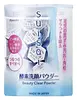 Key Ingredients
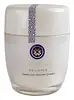
Benefits
Concerns
Ingredients Side-by-side
Talc
Abrasive
Sodium Cocoyl Isethionate
Cleansing
Sodium C12-14 Olefin Sulfonate
CleansingSodium Lauroyl Glutamate
SurfactantSodium Myristoyl Glutamate
CleansingPotassium Laurate
EmulsifyingCarrageenan



Silk Powder
Skin ConditioningWater
Skin ConditioningMethicone
Emollient
Butylene Glycol
Humectant

Isostearyl Alcohol
Emollient


BHT
Antioxidant
Alcohol
Antimicrobial


Polyquaternium-51
Skin Conditioning
Lactobacillus/Soymilk Ferment Filtrate
Skin ConditioningNasturtium Officinale Extract
Perfuming
Lactic Acid
Buffering







Potassium Hydroxide
BufferingProtease
Exfoliating
Lipase
Skin ConditioningMethylparaben
Preservative


Phenoxyethanol
Preservative
Talc, Sodium Cocoyl Isethionate, Sodium C12-14 Olefin Sulfonate, Sodium Lauroyl Glutamate, Sodium Myristoyl Glutamate, Potassium Laurate, Carrageenan, Silk Powder, Water, Methicone, Butylene Glycol, Isostearyl Alcohol, BHT, Alcohol, Polyquaternium-51, Lactobacillus/Soymilk Ferment Filtrate, Nasturtium Officinale Extract, Lactic Acid, Potassium Hydroxide, Protease, Lipase, Methylparaben, Phenoxyethanol
Microcrystalline Cellulose
AbsorbentOryza Sativa Powder
Sodium Lauryl Phosphate
EmulsifyingSodium Palmoyl Glutamate
CleansingSodium Lauroyl Glutamate
SurfactantLauryl Betaine
CleansingSodium Lauroyl Methylaminopropionate
CleansingCamellia Sinensis Leaf
Perfuming
Papain
Skin Conditioning
Oryza Sativa Bran
Abrasive
Sericin
Skin ConditioningHydrolyzed Silk
Humectant
Propanediol
Solvent
Dextrin
AbsorbentPhytosteryl/Octyldodecyl Lauroyl Glutamate
Skin ConditioningEthylhexylglycerin
Skin ConditioningTocopherol
Antioxidant
Propyl Alcohol
Solvent
Alcohol
Antimicrobial
Phenoxyethanol
Preservative
Microcrystalline Cellulose, Oryza Sativa Powder, Sodium Lauryl Phosphate, Sodium Palmoyl Glutamate, Sodium Lauroyl Glutamate, Lauryl Betaine, Sodium Lauroyl Methylaminopropionate, Camellia Sinensis Leaf, Papain, Oryza Sativa Bran, Sericin, Hydrolyzed Silk, Propanediol, Dextrin, Phytosteryl/Octyldodecyl Lauroyl Glutamate, Ethylhexylglycerin, Tocopherol, Propyl Alcohol, Alcohol, Phenoxyethanol
Reviews
Ingredients Explained
These ingredients are found in both products.
Ingredients higher up in an ingredient list are typically present in a larger amount.
This ingredient is also called ethanol or ethyl alcohol. It is denatured, meaning made undrinkable for cosmetic use.
In formulas, it:
Is it bad for your skin?
The answer comes down to concentration. Patch and wash studies have found highly concentrated alcohol-based hand rubs (60-100%) cause less barrier disruption than washing with a basic detergent like SLS. The only measurable effect in these studies was a temporary dip in skin hydration.
Concentrations below 12-15% in leave-on cosmetics is generally well-tolerated. Concentrations above start to see increased transepidermal water loss (TEWL) and reduced hydration.
In concentrations about 58%, it creates temporary channels in your skin's lipid layers to become more permeable and allow other ingredients to slip through easily.
This ingredient can be up to 80% of the formula in alcohol-based perfumes.
Overall, this ingredient is probably harmless if found lower down an ingredients list but worth side-eyeing if it's high up (especially if your barrier is already struggling).
Alcohol can worsen dry skin, eczema, and oily skin, especially at higher concentrations. This is because it can increase transepidermal water loss and decrease hydration to disrupt the skin barrier.
According to the National Rosacea Society based in the US, you should be mindful of products with these alcohols in the top half of ingredients.
True allergic contact dermatitis to ethanol is uncommon, but be sure to patch test if you have dry or sensitive skin.
Learn more about AlcoholPhenoxyethanol is one of the most widely used preservatives in skincare (and for good reason!).
It has a large spectrum of antimicrobial activity and especially effective bacteria, yeast, and mold while only having a weak effect on your skin's natural microbiome.
On a cellular level, it disrupts the cell membranes of microbes by poking holes that make the cell leak. This shuts down the chemical reactions the microbe needs to make energy so it can no longer survive.
Another perk of this ingredient is that it stays functional across a wide pH range (3-10).
You'll often see it paired with boosters like Ethylhexylglycerin; one study showed that a 1:9 ratio of Ethylhexylglycerin to Phenoxyethanol damages bacterial membranes as effectively as doubling the Phenoxyethanol concentration on its own.
Typical use concentrations range from 0.3-1% depending on the formula, and this ingredient is capped at 1% int the EU.
Safety-wise, the fear mongering does not hold up to the evidence. The EU's Scientific Committee on Consumer Safety and FDA consider it safe as a preservative at up to 1%, including for children of all ages.
Adverse systemic effects only showed up in animal studies at exposures roughly 200x higher than what people get from cosmetics. And despite its very widespread use, this ingredient is a rare sensitizer and allergic reactions are uncommon.
Learn more about PhenoxyethanolSodium Lauroyl Glutamate is an amino-acid based mild surfactant that is used in formulas as a primary or secondary cleansing agent. This means it helps lift away oil, dirt, and makeup.
You'll see this ingredient in facial cleansers, shampoos, and even toothpaste because it foams reasonably well while being much gentler than harsher surfactants like SLS.
A study comparing surfactant mixtures found that Sodium Lauroyl Glutamate caused visibly less disruption to skin lipid structure and less irritation than SLS when tested on human subjects; this correlated with the data from in vivo results as well.
The Tenside, Surfactants, Detergents cosmetics industry journal has also concluded that amino acid based surfactants are generally milder than their corresponding alkyl sulfate counterparts. They also stated glutamates in particular are considered one of the gentler options in the category.
The Cosmetic Ingredient Review (CIR) Expert Panel has reviewed dermal irritation and sensitization data for this ingredient at the highest reported use concentration and concluded it to be safe in present practices.
Typical use concentrations tend to run low (generally less than 10%) though the CIR's review noted the highest reported use concentration was 40% as a raw material blend (and not a diluted finished cosmetic product).
Learn more about Sodium Lauroyl Glutamate

