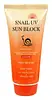
This hybrid sunscreen covers the full UV range and blocks ~98% of UVB at SPF 50.
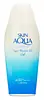
This chemical sunscreen covers the full UV range and blocks ~98% of UVB at SPF 50.


What's inside
What's inside
 Key Ingredients
Benefits
Concerns
Ingredients Side-by-side
Water
Skin ConditioningEthylhexyl Methoxycinnamate
UV Absorber


Titanium Dioxide
Cosmetic Colorant
Butylene Glycol
Humectant

4-Methylbenzylidene Camphor
UV Absorber
Dicaprylyl Carbonate
EmollientBeeswax
Emulsion Stabilising




Cetearyl Alcohol
Emollient

Polyglyceryl-3 Methylglucose Distearate
Emulsifying
Stearyl Alcohol
Emollient
Caprylic/Capric Triglyceride
Masking
Glyceryl Stearate
Emollient
Dimethicone
Emollient

1,2-Hexanediol
Skin Conditioning
Arbutin
Antioxidant



Adenosine
Skin Conditioning

Tocopheryl Acetate
Antioxidant
Hydrolyzed Collagen
Emollient
Xanthan Gum
EmulsifyingAloe Barbadensis Leaf Extract
Emollient
Morus Alba Bark Extract
Skin ConditioningDisodium EDTA
ChelatingHydroxyethylcellulose
Emulsion StabilisingDipotassium Glycyrrhizate
Humectant
Parfum
Masking

Water, Ethylhexyl Methoxycinnamate, Titanium Dioxide, Butylene Glycol, 4-Methylbenzylidene Camphor, Dicaprylyl Carbonate, Beeswax, Cetearyl Alcohol, Polyglyceryl-3 Methylglucose Distearate, Stearyl Alcohol, Caprylic/Capric Triglyceride, Glyceryl Stearate, Dimethicone, 1,2-Hexanediol, Arbutin, Adenosine, Tocopheryl Acetate, Hydrolyzed Collagen, Xanthan Gum, Aloe Barbadensis Leaf Extract, Morus Alba Bark Extract, Disodium EDTA, Hydroxyethylcellulose, Dipotassium Glycyrrhizate, Parfum
Water
Skin ConditioningEthylhexyl Methoxycinnamate
UV Absorber
Alcohol
Antimicrobial

Butylene Glycol
Humectant
Isononyl Isononanoate
EmollientDiethylamino Hydroxybenzoyl Hexyl Benzoate
UV Filter
Ethylhexyl Triazone
UV Absorber
Bis-Ethylhexyloxyphenol Methoxyphenyl Triazine
UV Absorber
Polyglyceryl-10 Pentaisostearate
Emollient
Phenoxyethanol
Preservative
Acrylates/C10-30 Alkyl Acrylate Crosspolymer
Emulsion StabilisingTriethanolamine
BufferingBis-PEG-18 Methyl Ether Dimethyl Silane
EmollientDisodium EDTA
ChelatingXanthan Gum
EmulsifyingSilica
Abrasive


Diethoxyethyl Succinate
SolventHydrolyzed Sodium Hyaluronate
Skin Conditioning
Sodium Hyaluronate
Humectant
Hydroxypropyltrimonium Hyaluronate
Water, Ethylhexyl Methoxycinnamate, Alcohol, Butylene Glycol, Isononyl Isononanoate, Diethylamino Hydroxybenzoyl Hexyl Benzoate, Ethylhexyl Triazone, Bis-Ethylhexyloxyphenol Methoxyphenyl Triazine, Polyglyceryl-10 Pentaisostearate, Phenoxyethanol, Acrylates/C10-30 Alkyl Acrylate Crosspolymer, Triethanolamine, Bis-PEG-18 Methyl Ether Dimethyl Silane, Disodium EDTA, Xanthan Gum, Silica, Diethoxyethyl Succinate, Hydrolyzed Sodium Hyaluronate, Sodium Hyaluronate, Hydroxypropyltrimonium Hyaluronate
Reviews
Ingredients Explained
These ingredients are found in both products.
Ingredients higher up in an ingredient list are typically present in a larger amount.
Butylene Glycol (or BG) is used within cosmetic products for a few different reasons:
Overall, Butylene Glycol is a safe and well-rounded ingredient that works well with other ingredients.
Though this ingredient works well with most skin types, some people with sensitive skin may experience a reaction such as allergic rashes, closed comedones, or itchiness.
Learn more about Butylene GlycolDisodium EDTA is a chelating agent. It grabs onto and deactivates metal ions that sneak into your products from water, packaging, or air.
This ingredient mainly works behind the scenes and helps with:
On top of that, this ingredient can counteract the effects of hard water by binding to the minerals in it.
One thing worth knowing is that Disodium EDTA has been shown to be a mild penetration enhancer. It can help other ingredients absorb into skin more effectively which can be a double-edged sword (great for actives, but can also make the active too strong if you have sensitive skin).
Clinical patch testing showed no significant skin irritation at typical use concentrations and minimal dermal absorption.
You'll most likely see this ingredient near the end of an ingredient list. It's typically found in concentrations less than 1%.
Learn more about Disodium EDTAThis ingredient is also known as Octinoxate and is one of the oldest and most widely used chemical UV filters in skincare.
It has a simple job: soap up UVB radiation (290-320 nm), the wavelengths responsible for sunburn and a big chunk of long-term sun damage.
In formulas, it's always paired with a separate UVA filter because octinoxate solely protects skin from UVB.
Because it's an oil-soluble liquid, it's easy to blend into the oil phase of lotions/creams and gives a cosmetically elegant feel.
The one quirk about formulating this ingredient is photostability; the molecule slowly changes shape into a less effective version when sunlight hits it. So the longer you're in the sun, the weaker its protection gets. The drop can be more than 30% in some formulas.
It also doesn't play nice with Avobenzone (the common UVA filter) since avobenzone destabilizes octinoxate and the two degrade each other. But don't worry: brands have solved this issue by adding photostabilizers like Tinosorb S to prevent degradation and keep SPF stable under heavy UV exposure.
The maximum allowed level is 10% in the EU and Australia, 7.5% in the US and Canada, and 20% in Japan.
The Cosmetic Ingredient Review Panel has concluded this ingredient to be safe in cosmetics up to 10%.
One last thing worth knowing for context:
Octinoxate has been the subject of ongoing review in Europe where the Scientific Committee on Consumer Safety's (SCCS) 2025 final opinion is that this ingredient is an endocrine-active substance.
Lab and animal studies suggest it can act a bit like a hormone in the body (mildly mimicking estrogen and slightly blocking male hormones). It's important to know this hasn't really been shown to happen in everyday human use.
This ingredient is also banned in Hawaii over coral reef concerns.
Learn more about Ethylhexyl MethoxycinnamateWater. It's the most common cosmetic ingredient of all. You'll usually see it at the top of ingredient lists, meaning that it makes up the largest part of the product.
So why is it so popular? Water most often acts as a solvent - this means that it helps dissolve other ingredients into the formulation.
You'll also recognize water as that liquid we all need to stay alive. If you see this, drink a glass of water. Remember to stay hydrated!
Learn more about WaterXanthan gum is used as a stabilizer and thickener within cosmetic products. It helps give products a sticky, thick feeling - preventing them from being too runny.
On the technical side of things, xanthan gum is a polysaccharide - a combination consisting of multiple sugar molecules bonded together.
Xanthan gum is a pretty common and great ingredient. It is a natural, non-toxic, non-irritating ingredient that is also commonly used in food products.
Learn more about Xanthan Gum

