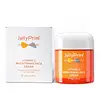
This brightening moisturizer is formulated around 3-O-Ethyl Ascorbic Acid and Ascorbic Acid to brighten dull-looking skin and fade the look of dark spots.
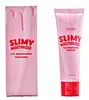
This barrier-repair moisturizer is formulated around Snail Secretion Filtrate and Centella Asiatica Extract to strengthen the skin barrier and hydrate skin.


What's inside
What's inside
 Key Ingredients
Benefits
Concerns
Ingredients Side-by-side
Water
Skin ConditioningPropylene Glycol
Humectant


Ethylhexyl Isononanoate
EmollientEthylene/Propylene Copolymer
Abrasive
Glycol Palmitate
Emulsifying
Ethyl Aspartate
Skin ConditioningSorbitan Olivate
Emulsifying
Cyclomethicone
Emollient
Disiloxane
Skin Conditioning
Alcohol
Antimicrobial


Asparagus Officinalis Extract
Skin Conditioning3-O-Ethyl Ascorbic Acid
Skin Conditioning





Ascorbic Acid
Antioxidant


Xanthan Gum
EmulsifyingGlucose
Humectant
Isopropyl Alcohol
Solvent
Methyl Benzophenone
Stabilising1,2-Hexanediol
Skin Conditioning
Water, Propylene Glycol, Ethylhexyl Isononanoate, Ethylene/Propylene Copolymer, Glycol Palmitate, Ethyl Aspartate, Sorbitan Olivate, Cyclomethicone, Disiloxane, Alcohol, Asparagus Officinalis Extract, 3-O-Ethyl Ascorbic Acid, Ascorbic Acid, Xanthan Gum, Glucose, Isopropyl Alcohol, Methyl Benzophenone, 1,2-Hexanediol
Water
Skin ConditioningGlycerin
Humectant
Butylene Glycol
Humectant
Cetearyl Alcohol
Emollient



Caprylic/Capric Triglyceride
Masking
Snail Secretion Filtrate
Skin Conditioning

Cetearyl Olivate
Sorbitan Olivate
Emulsifying
Dimethicone
Emollient
Xanthan Gum
EmulsifyingGlucose
Humectant
Sodium Hyaluronate
Humectant
Chondrus Crispus Extract
Skin Conditioning
Hydroxypropyltrimonium Hyaluronate
Hydrolyzed Hyaluronic Acid
Humectant
Sodium Acetylated Hyaluronate
Humectant
Hyaluronic Acid
Humectant
Sodium Caprooyl Hyaluronate
Skin ConditioningGlucosamine
Morus Alba Bark Extract
Skin ConditioningPyrus Malus Fruit Extract
Skin Conditioning
Camellia Japonica Leaf Extract
Skin ConditioningCamellia Sinensis Leaf Extract
Antimicrobial
Centella Asiatica Extract
Cleansing
Galactoarabinan
Tricholoma Matsutake Extract
Skin ConditioningSodium Polyacrylate
Absorbent
Stearic Acid
Cleansing
Tetrasodium EDTA
ChelatingTriethylene Glycol
Masking

Deoxyphytantriyl Palmitamide Mea
Skin ConditioningHydrogenated Lecithin
Emulsifying
Ceramide NP
Skin Conditioning
Cholesterol
Emollient
CI 17200
Cosmetic ColorantWater, Glycerin, Butylene Glycol, Cetearyl Alcohol, Caprylic/Capric Triglyceride, Snail Secretion Filtrate, Cetearyl Olivate, Sorbitan Olivate, Dimethicone, Xanthan Gum, Glucose, Sodium Hyaluronate, Chondrus Crispus Extract, Hydroxypropyltrimonium Hyaluronate, Hydrolyzed Hyaluronic Acid, Sodium Acetylated Hyaluronate, Hyaluronic Acid, Sodium Caprooyl Hyaluronate, Glucosamine, Morus Alba Bark Extract, Pyrus Malus Fruit Extract, Camellia Japonica Leaf Extract, Camellia Sinensis Leaf Extract, Centella Asiatica Extract, Galactoarabinan, Tricholoma Matsutake Extract, Sodium Polyacrylate, Stearic Acid, Tetrasodium EDTA, Triethylene Glycol, Deoxyphytantriyl Palmitamide Mea, Hydrogenated Lecithin, Ceramide NP, Cholesterol, CI 17200
Reviews
Alternatives
Ingredients Explained
These ingredients are found in both products.
Ingredients higher up in an ingredient list are typically present in a larger amount.
Glucose is a simple sugar (a monosaccharide). In skincare, it is mostly a humectant and skin conditioning agent.
Mechanistically, it has multiple hydroxyl groups that hydrogen-bond to water. This pulls moisture into the upper layers of skin to keep the surface soft and hydrated.
It's worth knowing sugars are already a natural component of the skin's NMF (natural moisturizing factor) so it's a molecule that your stratum corneum is well-acquainted with.
Just so you know, glucose is hydrophilic (water-loving) and the stratum corneum is a strong barrier to hydrophilic compounds. This just means penetration is slow and most of the action is happening on the surface.
Gram-to-gram, glucose is not as efficient as a humectant as glycerin. This is why you'll likely see glycose paired with stronger humectants for a bigger hydration payoff.
In skincare, glucose is typically derived from corn or other starch sources.
Learn more about GlucoseSorbitan Olivate is created from the fatty acids in olive oil and sorbitol.
This ingredient is an oil in water emulsifier. It helps stabilize a product by preventing oils and waters from separating. Sorbitan Olivate also helps hydrate the skin.
This ingredient is also known as part of Olivem 1000, with Cetearyl Olivate being the other part.
According to a manufacturer, this ingredient helps preserve the natural microbiome of skin. Having a healthy microbiome helps keep our skin healthy and protects against harmful bacteria.
Please note, having a healthy microbiome is different from fungal acne; a healthy microbiome includes small amounts of yeast that normally live on your skin without causing problems.
Fungal acne happens when one type of yeast (Malassezia) grows out of control. This is usually because it's feeding on certain oils or fatty acids. Due to the olive oil base, this ingredient may not be fungal acne safe.
Learn more about Sorbitan OlivateWater. It's the most common cosmetic ingredient of all. You'll usually see it at the top of ingredient lists, meaning that it makes up the largest part of the product.
So why is it so popular? Water most often acts as a solvent - this means that it helps dissolve other ingredients into the formulation.
You'll also recognize water as that liquid we all need to stay alive. If you see this, drink a glass of water. Remember to stay hydrated!
Learn more about WaterXanthan gum is used as a stabilizer and thickener within cosmetic products. It helps give products a sticky, thick feeling - preventing them from being too runny.
On the technical side of things, xanthan gum is a polysaccharide - a combination consisting of multiple sugar molecules bonded together.
Xanthan gum is a pretty common and great ingredient. It is a natural, non-toxic, non-irritating ingredient that is also commonly used in food products.
Learn more about Xanthan Gum

