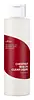
This pore-care exfoliator is formulated around Salicylic Acid to refine the look of pores and clear breakouts.
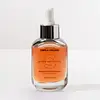
This acne serum is formulated around Salicylic Acid and Zinc PCA to clear breakouts and refine the look of pores.


What's inside
What's inside
 Key Ingredients
Benefits
Concerns
Ingredients Side-by-side
Water
Skin ConditioningButylene Glycol
Humectant

Propanediol
Solvent
1,2-Hexanediol
Skin Conditioning
Salicylic Acid
Masking










Castanea Crenata Shell Extract
Skin ConditioningSodium Hydroxide
BufferingGlycerin
Humectant
Biosaccharide Gum-1
Humectant
Ethylhexylglycerin
Skin ConditioningXanthan Gum
EmulsifyingHydroxyethylcellulose
Emulsion StabilisingDisodium EDTA
ChelatingCitric Acid
Buffering
Dipotassium Glycyrrhizate
Humectant

Hyaluronic Acid
Humectant

Hydrolyzed Hyaluronic Acid
Humectant
Sodium Citrate
BufferingSodium Hyaluronate
Humectant
Salix Alba Bark Extract
Astringent
Allantoin
Skin Conditioning
Water, Butylene Glycol, Propanediol, 1,2-Hexanediol, Salicylic Acid, Castanea Crenata Shell Extract, Sodium Hydroxide, Glycerin, Biosaccharide Gum-1, Ethylhexylglycerin, Xanthan Gum, Hydroxyethylcellulose, Disodium EDTA, Citric Acid, Dipotassium Glycyrrhizate, Hyaluronic Acid, Hydrolyzed Hyaluronic Acid, Sodium Citrate, Sodium Hyaluronate, Salix Alba Bark Extract, Allantoin
Water
Skin ConditioningPropanediol
Solvent
Glycerin
Humectant
Pentylene Glycol
Skin Conditioning
Salicylic Acid
Masking
Sodium Citrate
BufferingMaltodextrin
Absorbent
Parfum
Masking

Plinia Cauliflora Fruit Extract
Skin ConditioningZinc PCA
Humectant
Xanthan Gum
EmulsifyingMalpighia Glabra Fruit Extract
Skin ConditioningAscorbic Acid
Antioxidant

Biosaccharide Gum-1
Humectant
Sodium Levulinate
Skin ConditioningLimonene
Perfuming
Glyceryl Caprylate
EmollientSodium Anisate
AntimicrobialBixa Orellana Seed Extract
MaskingHydroxycitronellal
Perfuming
Water, Propanediol, Glycerin, Pentylene Glycol, Salicylic Acid, Sodium Citrate, Maltodextrin, Parfum, Plinia Cauliflora Fruit Extract, Zinc PCA, Xanthan Gum, Malpighia Glabra Fruit Extract, Ascorbic Acid, Biosaccharide Gum-1, Sodium Levulinate, Limonene, Glyceryl Caprylate, Sodium Anisate, Bixa Orellana Seed Extract, Hydroxycitronellal
Reviews
Ingredients Explained
These ingredients are found in both products.
Ingredients higher up in an ingredient list are typically present in a larger amount.
Biosaccharide Gum-1 is a sugar created by fermenting sorbitol (which usually comes from potato starch!). It is known for its soothing and moisturizing properties.
Manufacturer tests show this ingredient helped reduce irritation from lactic acid by almost half and kept skin hydrated long-term as a humectant
Beyond hydration, Biosaccharide Gum-1 gives formulas a silky, non-sticky feel.
This ingredient is gentle, versatile, and suitable for all skin types.
Fun fact: Similar sugars can be found naturally in fruits like apples and pears.
Learn more about Biosaccharide Gum-1Glycerin (or glycerol) is a compound naturally found in your skin. It's a powerhouse humectant that pulls water into the stratum corneum.
Topically, glycerin does several things at once:
Your skin makes glycerin on its own (mostly from sebaceous oil breakdown) and shuttles it to your outermost layer of skin, or your epidermis, via aquaporin-3.
Aquaporin-3 is a transporter that is essential for normal skin hydration, elasticity, and repair. Interestingly, mice lacking in AQP3 have dry and less elastic skin that can be fully corrected with glycerin.
This ingredient is non-irritating, plays well with almost every ingredient, and works across all skin types. Typical use is anywhere between 3-10% but can go up to 79% in some leave-on products.
Just know very high concentrations (>40%) can feel tacky in low humidity.
Glycerin is the name for this ingredient in American English. British English uses Glycerol/Glycerine.
Learn more about GlycerinPropanediol is an all-star ingredient. It softens, hydrates, and smooths the skin.
It’s often used to:
Propanediol is not likely to cause sensitivity and considered safe to use. It is derived from corn or petroleum with a clear color and no scent.
Learn more about PropanediolSalicylic Acid (also known as beta hydroxy acid or BHA) is a well-known ingredient for treating skin that struggles with acne and clogged pores. It exfoliates both the skin's surface and deep within the pores to help clear out buildup, control oil, and reduce inflammation.
Unlike AHAs (alpha hydroxy acids), salicylic acid is oil-soluble. This allows it to penetrate into pores which makes it especially effective for treating blackheads and preventing future breakouts.
Salicylic acid is also known for its soothing properties. It has a similar structure to aspirin and can calm inflamed or irritated skin, making it a good option for acne-prone skin that is also sensitive.
Concentrations of 0.5-2% are recognized by the U.S. FDA as an over-the-counter topical acne product.
It can cause irritation and/or dryness if one's skin already has a compromised moisture barrier, so it's best to focus on repairing that before introducing this ingredient into your routine.
While salicylic acid does not increase sun sensitivity, it’s still important to wear sunscreen daily to protect your skin.
If you are looking for the ingredient called BHA or Butylated Hydroxyanisole, click here.
Learn more about Salicylic AcidSodium Citrate is the sodium salts of citric acid. In skincare, it is used to alter pH levels and acts as a preservative.
Its main functions are to maintain the pH of a product and neutralize metal ions.
The acidity of our skin is maintained by our glands and skin biome; normal pH level of skin is slightly acidic (~4.75-5.5).
Being slightly acidic allows our skin to create an "acid mantle". This acid mantle is a thin barrier that protects our skin from bacteria and contaminants.
Learn more about Sodium CitrateWater. It's the most common cosmetic ingredient of all. You'll usually see it at the top of ingredient lists, meaning that it makes up the largest part of the product.
So why is it so popular? Water most often acts as a solvent - this means that it helps dissolve other ingredients into the formulation.
You'll also recognize water as that liquid we all need to stay alive. If you see this, drink a glass of water. Remember to stay hydrated!
Learn more about WaterXanthan gum is used as a stabilizer and thickener within cosmetic products. It helps give products a sticky, thick feeling - preventing them from being too runny.
On the technical side of things, xanthan gum is a polysaccharide - a combination consisting of multiple sugar molecules bonded together.
Xanthan gum is a pretty common and great ingredient. It is a natural, non-toxic, non-irritating ingredient that is also commonly used in food products.
Learn more about Xanthan Gum

