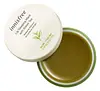
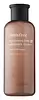
innisfree Green Tea Hydrating Lip Sleeping Mask Versus innisfree Volcanic Clusters Pore Clearing Toner
This hydrating lip mask is formulated around Limnanthes Alba Seed Oil and Squalane to hydrate lips and strengthen the lip barrier.
This oil-control toner is formulated around Silica and Colloidal Sulfur to balance excess oil and refine the look of pores.

What's inside
What's inside
 Key Ingredients
Benefits
Concerns
Ingredients Side-by-side
Phytosteryl/Isostearyl/Cetyl/Stearyl/Behenyl Dimer Dilinoleate
Skin Conditioning

Phytosteryl Isostearyl Dimer Dilinoleate
EmollientLimnanthes Alba Seed Oil
Skin Conditioning

Squalane
Emollient

Hydrogenated Castor Oil Dimer Dilinoleate
Skin Conditioning
Ricinus Communis Seed Oil
Masking
Beeswax
Emulsion Stabilising


Helianthus Annuus Seed Wax
Skin Conditioning
Oleic/Linoleic/Linolenic Polyglycerides
Emollient
Sucrose Tetrastearate Triacetate
Emollient
Camellia Sinensis Leaf Powder
Dextrin Palmitate
Emulsifying
Glyceryl Caprylate
EmollientCamellia Sinensis Seed Oil
Humectant
Anthemis Nobilis Flower Oil
Masking

Tocopherol
Antioxidant




Phytosteryl/Isostearyl/Cetyl/Stearyl/Behenyl Dimer Dilinoleate, Phytosteryl Isostearyl Dimer Dilinoleate, Limnanthes Alba Seed Oil, Squalane, Hydrogenated Castor Oil Dimer Dilinoleate, Ricinus Communis Seed Oil, Beeswax, Helianthus Annuus Seed Wax, Oleic/Linoleic/Linolenic Polyglycerides, Sucrose Tetrastearate Triacetate, Camellia Sinensis Leaf Powder, Dextrin Palmitate, Glyceryl Caprylate, Camellia Sinensis Seed Oil, Anthemis Nobilis Flower Oil, Tocopherol
Water
Skin ConditioningPropanediol
Solvent
Alcohol
Antimicrobial

1,2-Hexanediol
Skin Conditioning
Silica
Abrasive


PPG-13-Decyltetradeceth-24
EmulsifyingLithium Magnesium Sodium Silicate
AbsorbentSodium Citrate
BufferingCitric Acid
Buffering
Glyceryl Caprylate
EmollientParfum
Masking
Calcium Chloride
AstringentEthylhexylglycerin
Skin ConditioningDisodium EDTA
ChelatingColloidal Sulfur
Antimicrobial
Volcanic Ash
Abrasive
CI 77891
Cosmetic ColorantLactic Acid/Glycolic Acid Copolymer
Skin ConditioningAluminum Hydroxide
EmollientTriethoxycaprylylsilane

Tocopherol
Antioxidant
Water, Propanediol, Alcohol, 1,2-Hexanediol, Silica, PPG-13-Decyltetradeceth-24, Lithium Magnesium Sodium Silicate, Sodium Citrate, Citric Acid, Glyceryl Caprylate, Parfum, Calcium Chloride, Ethylhexylglycerin, Disodium EDTA, Colloidal Sulfur, Volcanic Ash, CI 77891, Lactic Acid/Glycolic Acid Copolymer, Aluminum Hydroxide, Triethoxycaprylylsilane, Tocopherol
Reviews
Ingredients Explained
These ingredients are found in both products.
Ingredients higher up in an ingredient list are typically present in a larger amount.
Glyceryl Caprylate comes from glycerin and caprylic acid. It is an emollient, co-emulsifier, and preservative booster.
Its short C8 fatty acid chain makes it behave differently from its longer-chain emollient cousins like Glyceryl Stearate. It feels more lightweight, fast-absorbing, and silky instead of rich and waxy.
As a co-emulsifier, its "head" and "tail" sit at the oil-water interface. But overall, the short C8 tail and not being water soluble means it doesn't really have the muscle to emulsify a formula on its own. That's why you'll often see it paired with a primary emulsifier like Cetearyl Glucoside.
Interestingly, Glyceryl Caprylate acts as a preservative booster. This is because its fatty-acid backbone disrupts microbial lipid membranes. It shows excellent activity against bacteria and yeast but is weaker against mold.
Typical concentrations range from 0.5-1% and this ingredient is generally non-irritating.
Because this ingredient has a C8 fatty acid chain, it is outside the range that the Malassezia yeast metabolizes (making it fungal acne safe).
Learn more about Glyceryl CaprylateTocopherol is a fat-soluble antioxidant known as Vitamin E.
You'll find this ingredient in the vast majority of skincare (for good reason). It works to neutralize free radicals, or unstable molecules generated by UV exposure, pollution, and other environmental stressors, before they can cause oxidative damage to your skin cells.
Topically applied tocopherol has been shown to protect against UV damage by ramping up the skin's own natural defense enzymes.
It also acts as a skin conditioning agent; some studies show that regular topical use can improve the skin's water-binding capacity over 2-4 weeks.
This ingredient is especially loved for being a team player. When combined with Vitamin C, the photoprotective effect of both ingredients roughly doubles and the combo also helps reduce UV-induced DNA damage.
This ingredient has some brightening potential but it's more of a prevention ingredient than spot-fader. Cell studies show it can slow down melanin production but it's worth noting that it's not the most powerful brightener out there.
In formulations, it also serves as a stabilizer that helps protect other oxidation-prone ingredients from degrading.
Concentrations usually range from 0.1-1% in most leave-on products.
Learn more about Tocopherol

