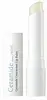
This barrier-repair lip moisturizer is formulated around Hydrogenated Vegetable Oil and Panthenol to strengthen the lip barrier and hydrate lips.
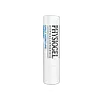
This barrier-repair lip moisturizer is formulated around Squalane and Butyrospermum Parkii Butter to strengthen the lip barrier and hydrate lips.

What's inside
What's inside
 Key Ingredients
Benefits
Concerns
Ingredients Side-by-side
Dicaprylyl Carbonate
EmollientPolyglyceryl-10 Decaisostearate
EmollientDiisostearyl Malate
EmollientTriethylhexanoin
MaskingHydrogenated Vegetable Oil
Emollient





Isononyl Isononanoate
EmollientSynthetic Wax
Abrasive

Hydrogenated Polyisobutene
EmollientPolymethylsilsesquioxane

Silica Dimethicone Silylate
Absorbent
Hydrogenated Styrene/Methylstyrene/Indene Copolymer
Ethylene/Propylene Copolymer
Abrasive
Disteardimonium Hectorite
StabilisingSucrose Tetrastearate Triacetate
Emollient
C30-50 Alcohols
Emulsifying
Tocopherol
Antioxidant






Panthenol
Skin Conditioning

Ceramide NP
Skin Conditioning
Dicaprylyl Carbonate, Polyglyceryl-10 Decaisostearate, Diisostearyl Malate, Triethylhexanoin, Hydrogenated Vegetable Oil, Isononyl Isononanoate, Synthetic Wax, Hydrogenated Polyisobutene, Polymethylsilsesquioxane, Silica Dimethicone Silylate, Hydrogenated Styrene/Methylstyrene/Indene Copolymer, Ethylene/Propylene Copolymer, Disteardimonium Hectorite, Sucrose Tetrastearate Triacetate, C30-50 Alcohols, Tocopherol, Panthenol, Ceramide NP
Phytosteryl/Isostearyl/Cetyl/Stearyl/Behenyl Dimer Dilinoleate
Skin Conditioning
Macadamia Seed Oil Polyglyceryl-6 Esters Behenate
Emollient
Polyglyceryl-2 Triisostearate
Emulsifying
Caprylic/Capric Triglyceride
Masking
Dipentaerythrityl Hexa C5-9 Acid Esters
Skin ConditioningBeeswax
Emulsion Stabilising
Polymethylsilsesquioxane
Synthetic Wax
Abrasive
Squalane
Emollient
Butyrospermum Parkii Butter
Skin Conditioning
Ceresin
Emulsion StabilisingHydrogenated Polyisobutene
EmollientEthylene/Propylene Copolymer
Abrasive
1,2-Hexanediol
Skin Conditioning
Parfum
Masking


Tocopherol
Antioxidant
Water
Skin ConditioningGlycerin
Humectant
Cetearyl Alcohol
Emollient
Arachidyl Alcohol
Emollient
Behenyl Alcohol
Emollient
Arachidyl Glucoside
EmulsifyingHydrogenated Lecithin
Emulsifying
Ceramide NP
Skin Conditioning
Cholesterol
Emollient
Stearic Acid
Cleansing
Carbomer
Emulsion StabilisingTromethamine
BufferingGlucose
Humectant
Xanthan Gum
EmulsifyingPhytosteryl/Isostearyl/Cetyl/Stearyl/Behenyl Dimer Dilinoleate, Macadamia Seed Oil Polyglyceryl-6 Esters Behenate, Polyglyceryl-2 Triisostearate, Caprylic/Capric Triglyceride, Dipentaerythrityl Hexa C5-9 Acid Esters, Beeswax, Polymethylsilsesquioxane, Synthetic Wax, Squalane, Butyrospermum Parkii Butter, Ceresin, Hydrogenated Polyisobutene, Ethylene/Propylene Copolymer, 1,2-Hexanediol, Parfum, Tocopherol, Water, Glycerin, Cetearyl Alcohol, Arachidyl Alcohol, Behenyl Alcohol, Arachidyl Glucoside, Hydrogenated Lecithin, Ceramide NP, Cholesterol, Stearic Acid, Carbomer, Tromethamine, Glucose, Xanthan Gum
Ingredients Explained
These ingredients are found in both products.
Ingredients higher up in an ingredient list are typically present in a larger amount.
Ceramide NP (formerly known as Ceramide 3) is one of the skin's naturally occurring lipids.
Since ceramides are the major lipid components of the skin, they are crucial for maintaining skin barrier and hydration. Ceramide NP most closely mirrors the dominant kind in human skin amongst ceramide subtypes.
This ceramide works by slotting into gaps within the stratum corneum's lipid matrix to limit trans-epidermal water loss (TEWL) and shield the skin against external irritants.
A study with 312 patients found that using a ceramide-containing routine for 4 weeks reduced the severity of atopic dermatitis by over 61%.
Another clinical study in subjects aged 60 and older found that a ceramide body wash and moisturizer improved skin dryness and itchy skin in 15 days.
Overall, ceramides are considered non-irritating and safety tests have found little to no observable adverse effects from using this ingredient.
Ceramide NP is usually sourced from plants (like soybean or rice bran), or produced synthetically.
Learn more about Ceramide NPEthylene/Propylene Copolymer is an exfoliant.
Hydrogenated Polyisobutene is a synthetic polymer. Polymers are compounds with high molecular weight. Hydrogenated Polyisobutene is an emollient and texture enhancer.
In one study, Hydrogenated Polyisobutene showed better skin hydration levels than Caprylic/Capric Triglyceride. As an emollient, it helps keep your skin soft and hydrated by trapping moisture in.
Hydrogenated Polyisobutene is often used as a mineral oil replacement.
Learn more about Hydrogenated PolyisobutenePolymethylsilsesquioxane is a silicone used as a film forming agent.
When applied to the skin, this ingredient creates an invisible film on the surface. This film still allows oxygen to pass through, but prevents moisture from escaping. This can help condition and hydrate the skin. It also leaves a silky feel when applied.
Polymethylsilsesquioxane has not been shown to clog pores. It has been deemed safe to use up to 55%, but most cosmetics use much less.
If you have concerns about using this ingredient, we recommend speaking with a professional.
Learn more about PolymethylsilsesquioxaneSynthetic Wax is a manufactured hydrocarbon wax. In formulas, it works as an occlusive emollient that helps reduce water loss and improves the spreadability of products.
Research comparing synthetic wax to traditional mineral-derived products found that formulas containing it perform as well for skin hydration.
It is considered non-comedogenic and vegan-friendly.
This ingredient has a well-established safety record by the CIR Expert Panel for Cosmetic Ingredient Safety.
Synthetic Waxes are straight/branched-chain hydrocarbons with no ester bond or fatty acids. That means there is nothing for the Malassezia yeast to feed on.
Learn more about Synthetic WaxTocopherol is a fat-soluble antioxidant known as Vitamin E.
You'll find this ingredient in the vast majority of skincare (for good reason). It works to neutralize free radicals, or unstable molecules generated by UV exposure, pollution, and other environmental stressors, before they can cause oxidative damage to your skin cells.
Topically applied tocopherol has been shown to protect against UV damage by ramping up the skin's own natural defense enzymes.
It also acts as a skin conditioning agent; some studies show that regular topical use can improve the skin's water-binding capacity over 2-4 weeks.
This ingredient is especially loved for being a team player. When combined with Vitamin C, the photoprotective effect of both ingredients roughly doubles and the combo also helps reduce UV-induced DNA damage.
This ingredient has some brightening potential but it's more of a prevention ingredient than spot-fader. Cell studies show it can slow down melanin production but it's worth noting that it's not the most powerful brightener out there.
In formulations, it also serves as a stabilizer that helps protect other oxidation-prone ingredients from degrading.
Concentrations usually range from 0.1-1% in most leave-on products.
Learn more about Tocopherol

