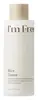
This brightening toner is formulated around Oryza Sativa Extract and Niacinamide to brighten dull-looking skin and hydrate skin.
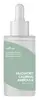
This calming ampoule is formulated around Artemisia Princeps Extract and Glycyrrhiza Glabra Root Extract to calm redness and strengthen the skin barrier.

What's inside
What's inside
 Key Ingredients
Benefits
Concerns
No concerns
Ingredients Side-by-side
Oryza Sativa Extract 77.78%
Absorbent



Methylpropanediol
SolventTriethylhexanoin
MaskingHydrogenated Poly(C6-14 Olefin)
EmollientNiacinamide
Smoothing








Pentylene Glycol
Skin Conditioning
Portulaca Oleracea Extract
Skin Conditioning
Oryza Sativa Bran Extract
Skin Conditioning
Ulmus Davidiana Root Extract
Skin Conditioning
Amaranthus Caudatus Seed Extract
Skin Conditioning
Hydrogenated Lecithin
Emulsifying
Water
Skin ConditioningPolyglyceryl-10 Myristate
Skin Conditioning

Butylene Glycol
Humectant
Adenosine
Skin Conditioning
Cellulose Gum
Emulsion StabilisingEthylhexylglycerin
Skin Conditioning1,2-Hexanediol
Skin Conditioning
Oryza Sativa Extract 77.78%, Methylpropanediol, Triethylhexanoin, Hydrogenated Poly(C6-14 Olefin), Niacinamide, Pentylene Glycol, Portulaca Oleracea Extract, Oryza Sativa Bran Extract, Ulmus Davidiana Root Extract, Amaranthus Caudatus Seed Extract, Hydrogenated Lecithin, Water, Polyglyceryl-10 Myristate, Butylene Glycol, Adenosine, Cellulose Gum, Ethylhexylglycerin, 1,2-Hexanediol
Artemisia Princeps Extract
Skin Conditioning
Glycerin
Humectant
Butylene Glycol
Humectant
Glycereth-26
Humectant
Erythritol
Humectant
Betaine
Humectant
Glycyrrhiza Glabra Root Extract
Bleaching
Calendula Officinalis Flower Extract
Masking
Piper Methysticum Leaf/Root/Stem Extract
Skin ConditioningPanthenol
Skin Conditioning
Propanediol
Solvent
Beta-Glucan
Skin Conditioning
Dipotassium Glycyrrhizate
Humectant
Hydrogenated Lecithin
Emulsifying
Ceramide NP
Skin Conditioning
Allantoin
Skin Conditioning
Carbomer
Emulsion StabilisingTromethamine
Buffering1,2-Hexanediol
Skin Conditioning
Artemisia Princeps Extract, Glycerin, Butylene Glycol, Glycereth-26, Erythritol, Betaine, Glycyrrhiza Glabra Root Extract, Calendula Officinalis Flower Extract, Piper Methysticum Leaf/Root/Stem Extract, Panthenol, Propanediol, Beta-Glucan, Dipotassium Glycyrrhizate, Hydrogenated Lecithin, Ceramide NP, Allantoin, Carbomer, Tromethamine, 1,2-Hexanediol
Reviews
Ingredients Explained
These ingredients are found in both products.
Ingredients higher up in an ingredient list are typically present in a larger amount.
1,2-Hexanediol is a synthetic liquid and another multi-functional powerhouse.
It is a:
- Humectant, drawing moisture into the skin
- Emollient, helping to soften skin
- Solvent, dispersing and stabilizing formulas
- Preservative booster, enhancing the antimicrobial activity of other preservatives
Butylene Glycol (or BG) is used within cosmetic products for a few different reasons:
Overall, Butylene Glycol is a safe and well-rounded ingredient that works well with other ingredients.
Though this ingredient works well with most skin types, some people with sensitive skin may experience a reaction such as allergic rashes, closed comedones, or itchiness.
Learn more about Butylene GlycolHydrogenated Lecithin is a more stable version of lecithin.
It's made by taking lecithin (a phospholipid commonly found in soybeans and egg yolks) and hydrogenating it. This just means the unsaturated fatty acids are turned into saturated ones so they don't go bad as easily.
This ingredient is an emollient, emulsifier, and penetration enhancer. As an emollient, it helps soften and hydrate skin by trapping moisture within. As an emulsifier, it prevents oil and water ingredients from separating.
Hydrogenated Lecithin can form tiny spherical structures made of phospholipid bilayers called liposomes. These liposomes are able to capture compounds inside their structure and deliver them through the skin barrier.
Because phospholipids are a natural component of our cell membranes, this ingredient is inherently compatible with skin.
A 2021 study found lecithin-based surfactants were less harsh and more tolerable comared to Sodium Lauryl Sulfate (SLS).
Learn more about Hydrogenated Lecithin

