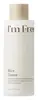
This brightening toner is formulated around Oryza Sativa Extract and Niacinamide to brighten dull-looking skin and hydrate skin.
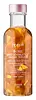
This hydrating toner is formulated around Rosa Damascena Flower Water and Sodium Hyaluronate to hydrate skin and calm redness.


What's inside
What's inside
 Key Ingredients
Benefits
Concerns
Ingredients Side-by-side
Oryza Sativa Extract 77.78%
Absorbent



Methylpropanediol
SolventTriethylhexanoin
MaskingHydrogenated Poly(C6-14 Olefin)
EmollientNiacinamide
Smoothing








Pentylene Glycol
Skin Conditioning
Portulaca Oleracea Extract
Skin Conditioning
Oryza Sativa Bran Extract
Skin Conditioning
Ulmus Davidiana Root Extract
Skin Conditioning
Amaranthus Caudatus Seed Extract
Skin Conditioning
Hydrogenated Lecithin
Emulsifying
Water
Skin ConditioningPolyglyceryl-10 Myristate
Skin Conditioning

Butylene Glycol
Humectant
Adenosine
Skin Conditioning
Cellulose Gum
Emulsion StabilisingEthylhexylglycerin
Skin Conditioning1,2-Hexanediol
Skin Conditioning
Oryza Sativa Extract 77.78%, Methylpropanediol, Triethylhexanoin, Hydrogenated Poly(C6-14 Olefin), Niacinamide, Pentylene Glycol, Portulaca Oleracea Extract, Oryza Sativa Bran Extract, Ulmus Davidiana Root Extract, Amaranthus Caudatus Seed Extract, Hydrogenated Lecithin, Water, Polyglyceryl-10 Myristate, Butylene Glycol, Adenosine, Cellulose Gum, Ethylhexylglycerin, 1,2-Hexanediol
Water
Skin ConditioningGlycerin
Humectant
Propanediol
Solvent
1,2-Hexanediol
Skin Conditioning
Polyglycerin-3
Humectant
Rosa Centifolia Flower
MaskingRosa Damascena Flower Water
Masking
Rosa Damascena Extract
MaskingRosa Multiflora Fruit Extract
MaskingRosa Damascena Flower Extract
Masking
Angelica Keiskei Extract
Antioxidant
Rosa Damascena Flower Oil
Masking



Butylene Glycol
Humectant
Sodium Citrate
BufferingCitric Acid
Buffering
Xanthan Gum
EmulsifyingSodium Hyaluronate
Humectant
Caprylyl Glycol
Emollient
Chlorphenesin
Antimicrobial
Sodium Benzoate
Masking
Potassium Sorbate
Preservative
Citronellol
Perfuming
Geraniol
Perfuming
Water, Glycerin, Propanediol, 1,2-Hexanediol, Polyglycerin-3, Rosa Centifolia Flower, Rosa Damascena Flower Water, Rosa Damascena Extract, Rosa Multiflora Fruit Extract, Rosa Damascena Flower Extract, Angelica Keiskei Extract, Rosa Damascena Flower Oil, Butylene Glycol, Sodium Citrate, Citric Acid, Xanthan Gum, Sodium Hyaluronate, Caprylyl Glycol, Chlorphenesin, Sodium Benzoate, Potassium Sorbate, Citronellol, Geraniol
Reviews
Ingredients Explained
These ingredients are found in both products.
Ingredients higher up in an ingredient list are typically present in a larger amount.
1,2-Hexanediol is a synthetic liquid and another multi-functional powerhouse.
It is a:
- Humectant, drawing moisture into the skin
- Emollient, helping to soften skin
- Solvent, dispersing and stabilizing formulas
- Preservative booster, enhancing the antimicrobial activity of other preservatives
Butylene Glycol (or BG) is used within cosmetic products for a few different reasons:
Overall, Butylene Glycol is a safe and well-rounded ingredient that works well with other ingredients.
Though this ingredient works well with most skin types, some people with sensitive skin may experience a reaction such as allergic rashes, closed comedones, or itchiness.
Learn more about Butylene GlycolWater. It's the most common cosmetic ingredient of all. You'll usually see it at the top of ingredient lists, meaning that it makes up the largest part of the product.
So why is it so popular? Water most often acts as a solvent - this means that it helps dissolve other ingredients into the formulation.
You'll also recognize water as that liquid we all need to stay alive. If you see this, drink a glass of water. Remember to stay hydrated!
Learn more about Water

