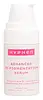
This brightening serum is formulated around Tranexamic Acid and Glycyrrhiza Glabra Root Extract to fade the look of dark spots and brighten dull-looking skin.
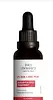
This acne serum is formulated around Aloe Barbadensis Leaf Juice and Salicylic Acid to clear breakouts and balance excess oil.

What's inside
What's inside
 Key Ingredients
Benefits
Concerns
No concerns
Ingredients Side-by-side
Water
Skin ConditioningAnanas Sativus Fruit Extract
Skin ConditioningTranexamic Acid
Astringent




Glycyrrhiza Glabra Root Extract
Bleaching


Kojic Acid
Antioxidant

Phenoxyethanol
Preservative
Sodium Hyaluronate
Humectant

Melatonin
Antioxidant
Aloe Barbadensis Leaf Extract
Emollient
Curcuma Longa Root Extract
Antioxidant
Hydroxyethylcellulose
Emulsion StabilisingPanthenol
Skin Conditioning
Sodium Metabisulfite
Antioxidant
Ethylhexylglycerin
Skin ConditioningSodium Gluconate
Skin ConditioningCitric Acid
Buffering

Water, Ananas Sativus Fruit Extract, Tranexamic Acid, Glycyrrhiza Glabra Root Extract, Kojic Acid, Phenoxyethanol, Sodium Hyaluronate, Melatonin, Aloe Barbadensis Leaf Extract, Curcuma Longa Root Extract, Hydroxyethylcellulose, Panthenol, Sodium Metabisulfite, Ethylhexylglycerin, Sodium Gluconate, Citric Acid












Ingredients Explained
These ingredients are found in both products.
Ingredients higher up in an ingredient list are typically present in a larger amount.
Citric Acid is an alpha hydroxy acid (AHA) naturally found in citrus fruits like oranges, lemons, and limes.
Like other AHAs, citric acid can exfoliate skin by breaking down the bonds that hold dead skin cells together. This helps reveal smoother and brighter skin underneath.
However, this exfoliating effect only happens at high concentrations (20%) which can be hard to find in cosmetic products.
Due to this, citric acid is usually included in small amounts as a pH adjuster. This helps keep products slightly more acidic and compatible with skin's natural pH.
In skincare formulas, citric acid can:
While it can provide some skin benefits, research shows lactic acid and glycolic acid are generally more effective and less irritating exfoliants.
Most citric acid used in skincare today is made by fermenting sugars (usually from molasses). This synthetic version is identical to the natural citrus form but easier to stabilize and use in formulations.
Rosacea skin has a lower threshold for acids generally, with 62.5% of rosacea subjects in one study reacting to lactic acid in a sting test. This is why we mark citric acid as a potential rosacea trigger.
However, this ingredient shows up as a pH adjuster or chelator at roughly 0.1-1% in many products. These low levels are unlikely to be an issue for rosacea skin and becomes a potential trigger at exfoliating concentrations (20%). Because everybody's skin is unique, we recommend a patch test if you are unsure.
Learn more about Citric AcidSodium Hyaluronate is the salt form of hyaluronic acid. It is a long sugar chain that is naturally found in your skin, joints, and connective tissue that maintains hydration and elasticity.
In skincare, it works as a humectant. It pulls water from the environment and deeper layers of skin and binds it to the surface.
Interestingly, the size of the molecule affects its behavior:
Some clinical evidence links low molecular weight versions to improved wrinkle depth, elasticity, anti-inflammatory effects, and barrier repair.
Many serums use a blend of both weights so you can get surface hydration plus longer-lasting and deeper effects.
You'll typically see concentrations between 0.1-2% for this ingredient.
Learn more about Sodium Hyaluronate

