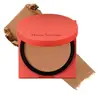
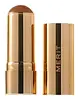
Hung Vanngo Beauty Tansculpt Bronzing Contour Balm Versus Merit Beauty Bronze Balm Sheer Sculpting Bronzer

What's inside
What's inside
 Key Ingredients
Benefits
Concerns
Ingredients Side-by-side
Dimethicone
Emollient

Silica
Abrasive


Isononyl Isononanoate
EmollientOctyldodecanol
Emollient
Synthetic Wax
Abrasive
Phenyl Trimethicone
Skin Conditioning
Dimethicone Crosspolymer
Emulsion Stabilising
Aluminum Starch Octenylsuccinate
Absorbent
Polyhydroxystearic Acid
Emulsifying

Vp/Hexadecene Copolymer
Hydroxyacetophenone
Antioxidant
Water
Skin ConditioningTocopheryl Acetate
Antioxidant

Triethoxycaprylylsilane
CI 77891
Cosmetic ColorantCI 77492
Cosmetic ColorantCI 77499
Cosmetic ColorantCI 77491
Cosmetic ColorantCI 15850
Cosmetic ColorantDimethicone, Silica, Isononyl Isononanoate, Octyldodecanol, Synthetic Wax, Phenyl Trimethicone, Dimethicone Crosspolymer, Aluminum Starch Octenylsuccinate, Polyhydroxystearic Acid, Vp/Hexadecene Copolymer, Hydroxyacetophenone, Water, Tocopheryl Acetate, Triethoxycaprylylsilane, CI 77891, CI 77492, CI 77499, CI 77491, CI 15850
Octyldodecyl Myristate
EmollientIsononyl Isononanoate
EmollientPentaerythrityl Tetraisostearate
Emollient
Synthetic Wax
Abrasive
Diisostearyl Malate
EmollientSynthetic Fluorphlogopite
Silica
Abrasive
Bis-Diglyceryl Polyacyladipate-2
Emollient
Diisostearoyl Polyglyceryl-3 Dimer Dilinoleate
Emollient
Caprylic/Capric Glycerides
EmollientCaprylic/Capric Triglyceride
Masking

Sorbitan Isostearate
Emulsifying
Microcrystalline Wax
Emulsion StabilisingEthylene/Propylene Copolymer
Abrasive
Polyglyceryl-2 Triisostearate
Emulsifying
Lecithin
Emollient
Methicone
Emollient
Triethoxycaprylylsilane
Aluminum Hydroxide
EmollientWater
Skin ConditioningBHT
Antioxidant
Titanium Dioxide
Cosmetic Colorant

CI 77492
Cosmetic ColorantCI 77491
Cosmetic ColorantCI 77499
Cosmetic ColorantOctyldodecyl Myristate, Isononyl Isononanoate, Pentaerythrityl Tetraisostearate, Synthetic Wax, Diisostearyl Malate, Synthetic Fluorphlogopite, Silica, Bis-Diglyceryl Polyacyladipate-2, Diisostearoyl Polyglyceryl-3 Dimer Dilinoleate, Caprylic/Capric Glycerides, Caprylic/Capric Triglyceride, Sorbitan Isostearate, Microcrystalline Wax, Ethylene/Propylene Copolymer, Polyglyceryl-2 Triisostearate, Lecithin, Methicone, Triethoxycaprylylsilane, Aluminum Hydroxide, Water, BHT, Titanium Dioxide, CI 77492, CI 77491, CI 77499
Reviews
Ingredients Explained
These ingredients are found in both products.
Ingredients higher up in an ingredient list are typically present in a larger amount.
Ci 77491 is also hydrated iron III oxide. It's sole purpose is to give a red/pink hue to products.
Iron III oxides are classified as inorganic chemicals for coloring.
Synthetically created Ci 77491 is considered safer than those naturally found. This is because the synthetically created version may contain less impurities. Iron oxides are generally non-toxic and non-allergenic.
Learn more about CI 77491CI 77492 is also hydrated iron III oxide. It's sole purpose is to give a yellow hue to products.
Iron III oxides are classified as inorganic chemicals for coloring.
Synthetically created CI 77492 is considered safer than those naturally found. This is because the synthetically created version may contain less impurities. Iron oxides are generally non-toxic and non-allergenic.
Learn more about CI 77492Ci 77499 is also hydrated iron III oxide. It is created from mixing red and black iron oxides. This helps give shades of darkness to a product.
Iron III oxides are classified as inorganic chemicals for coloring.
Isononyl Isononanoate is a synthetic skin-conditioner and texture enhancer. It is created from nonanoic acid, a fatty acid found in cocoa and lavender oil.
As an emollient, Isononyl Isononanoate helps keep your skin soft and smooth. This is because emollients create a barrier on the skin to trap moisture in.
Isononyl Isononanoate helps give products a velvet feel and improves spreadability.
Learn more about Isononyl IsononanoateSilica, also known as silicon dioxide, is a naturally occurring mineral. It is used as a fine, spherical, and porous powder in cosmetics.
Though it has exfoliant properties, the function of silica varies depending on the product.
The unique structure of silica enhances the spreadability and adds smoothness, making it a great texture enhancer.
It is also used as an active carrier, emulsifier, and mattifier due to its ability to absorb excess oil.
In some products, tiny microneedles called spicules are made from silica or hydrolyzed sponge. When you rub them in, they lightly polish away dead skin layers and enhance the penetration of active ingredients.
Learn more about SilicaSynthetic Wax is a manufactured hydrocarbon wax. In formulas, it works as an occlusive emollient that helps reduce water loss and improves the spreadability of products.
Research comparing synthetic wax to traditional mineral-derived products found that formulas containing it perform as well for skin hydration.
It is considered non-comedogenic and vegan-friendly.
This ingredient has a well-established safety record by the CIR Expert Panel for Cosmetic Ingredient Safety.
Synthetic Waxes are straight/branched-chain hydrocarbons with no ester bond or fatty acids. That means there is nothing for the Malassezia yeast to feed on.
Learn more about Synthetic WaxTriethoxycaprylylsilane is a silicon-based surface modifier that makes sunscreens feel silky and makeup stay put.
Its main job is to coat mineral particles like titanium dioxide, zinc oxide, and color pigments in a thin, oily layer so they spread smoothly, don't clump, and stick to skin better.
This ingredient is typically used at low levels (up to 2.5% in eyeshadow and 1% in lipstick).
Learn more about TriethoxycaprylylsilaneWater. It's the most common cosmetic ingredient of all. You'll usually see it at the top of ingredient lists, meaning that it makes up the largest part of the product.
So why is it so popular? Water most often acts as a solvent - this means that it helps dissolve other ingredients into the formulation.
You'll also recognize water as that liquid we all need to stay alive. If you see this, drink a glass of water. Remember to stay hydrated!
Learn more about Water

