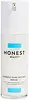
This anti-aging serum is formulated around Retinol and Squalane to soften the look of wrinkles and refine skin texture.
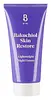
This anti-aging moisturizer is formulated around Bakuchiol and Aloe Barbadensis Leaf Juice to soften the look of wrinkles and calm redness.


What's inside
What's inside
 Key Ingredients
Benefits
Concerns
Ingredients Side-by-side
Water
Skin ConditioningSqualane
Emollient


Cetyl Alcohol
Emollient



Jojoba Esters
Emollient
Propanediol
Solvent
Glycerin
Humectant
Pyrus Malus Fruit Extract
Skin Conditioning
Dextrin
AbsorbentRetinol
Skin Conditioning







Caprylic/Capric Triglyceride
Masking
Tocopherol
Antioxidant


Citric Acid
Buffering
Phytosteryl/Octyldodecyl Lauroyl Glutamate
Skin ConditioningPolyglyceryl-6 Distearate
Emulsifying
Polyglyceryl-3 Beeswax
Emulsifying
Sodium Acetylated Hyaluronate
Humectant
Xanthan Gum
EmulsifyingHydrolyzed Sodium Hyaluronate
Skin Conditioning
Trisodium Ethylenediamine Disuccinate
ChelatingNiacinamide
Smoothing
1,2-Hexanediol
Skin Conditioning
Caprylhydroxamic Acid
ChelatingWater, Squalane, Cetyl Alcohol, Jojoba Esters, Propanediol, Glycerin, Pyrus Malus Fruit Extract, Dextrin, Retinol, Caprylic/Capric Triglyceride, Tocopherol, Citric Acid, Phytosteryl/Octyldodecyl Lauroyl Glutamate, Polyglyceryl-6 Distearate, Polyglyceryl-3 Beeswax, Sodium Acetylated Hyaluronate, Xanthan Gum, Hydrolyzed Sodium Hyaluronate, Trisodium Ethylenediamine Disuccinate, Niacinamide, 1,2-Hexanediol, Caprylhydroxamic Acid
Aloe Barbadensis Leaf Juice
Skin Conditioning
Vitis Vinifera Seed Oil
Emollient
Butyrospermum Parkii Butter
Skin Conditioning


Cetyl Alcohol
Emollient
Propanediol
Solvent
Glyceryl Stearate
Emollient
Water
Skin ConditioningCandelilla/Jojoba/Rice Bran Polyglyceryl-3 Esters
Emulsifying
Bakuchiol
Antimicrobial
Xanthan Gum
EmulsifyingCetearyl Alcohol
Emollient
Sodium Stearoyl Lactylate
EmulsifyingBenzyl Alcohol
Perfuming




Caprylic Acid
CleansingXylitol
Humectant
Tocopherol
Antioxidant
Lavandula Angustifolia Flower Oil
Masking
Linalool
Perfuming
Phytic Acid
Chelating
Limonene
Perfuming
Geraniol
Perfuming
Aloe Barbadensis Leaf Juice, Vitis Vinifera Seed Oil, Butyrospermum Parkii Butter, Cetyl Alcohol, Propanediol, Glyceryl Stearate, Water, Candelilla/Jojoba/Rice Bran Polyglyceryl-3 Esters, Bakuchiol, Xanthan Gum, Cetearyl Alcohol, Sodium Stearoyl Lactylate, Benzyl Alcohol, Caprylic Acid, Xylitol, Tocopherol, Lavandula Angustifolia Flower Oil, Linalool, Phytic Acid, Limonene, Geraniol
Reviews
Ingredients Explained
These ingredients are found in both products.
Ingredients higher up in an ingredient list are typically present in a larger amount.
Cetyl Alcohol is a fatty alcohol. Fatty Alcohols are most often used as an emollient or to thicken a product.
Its main roles are:
Though it has "alcohol" in the name, it is not related to denatured alcohol or ethyl alcohol.
The FDA allows products labeled "alcohol-free" to have fatty alcohols.
This ingredient may not be fungal acne safe. It is a primary fatty alcohol with a chain length above 12 carbons. A study from 2019 show Malassezia can feed on fatty alcohols in this range, so it may trigger fungal acne in those prone to it.
Learn more about Cetyl AlcoholPropanediol is an all-star ingredient. It softens, hydrates, and smooths the skin.
It’s often used to:
Propanediol is not likely to cause sensitivity and considered safe to use. It is derived from corn or petroleum with a clear color and no scent.
Learn more about PropanediolTocopherol is a fat-soluble antioxidant known as Vitamin E.
You'll find this ingredient in the vast majority of skincare (for good reason). It works to neutralize free radicals, or unstable molecules generated by UV exposure, pollution, and other environmental stressors, before they can cause oxidative damage to your skin cells.
Topically applied tocopherol has been shown to protect against UV damage by ramping up the skin's own natural defense enzymes.
It also acts as a skin conditioning agent; some studies show that regular topical use can improve the skin's water-binding capacity over 2-4 weeks.
This ingredient is especially loved for being a team player. When combined with Vitamin C, the photoprotective effect of both ingredients roughly doubles and the combo also helps reduce UV-induced DNA damage.
This ingredient has some brightening potential but it's more of a prevention ingredient than spot-fader. Cell studies show it can slow down melanin production but it's worth noting that it's not the most powerful brightener out there.
In formulations, it also serves as a stabilizer that helps protect other oxidation-prone ingredients from degrading.
Concentrations usually range from 0.1-1% in most leave-on products.
Learn more about TocopherolWater. It's the most common cosmetic ingredient of all. You'll usually see it at the top of ingredient lists, meaning that it makes up the largest part of the product.
So why is it so popular? Water most often acts as a solvent - this means that it helps dissolve other ingredients into the formulation.
You'll also recognize water as that liquid we all need to stay alive. If you see this, drink a glass of water. Remember to stay hydrated!
Learn more about WaterXanthan gum is used as a stabilizer and thickener within cosmetic products. It helps give products a sticky, thick feeling - preventing them from being too runny.
On the technical side of things, xanthan gum is a polysaccharide - a combination consisting of multiple sugar molecules bonded together.
Xanthan gum is a pretty common and great ingredient. It is a natural, non-toxic, non-irritating ingredient that is also commonly used in food products.
Learn more about Xanthan Gum

