
What's inside
What's inside
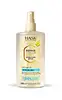 Key Ingredients
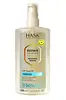
No key ingredients
Benefits
Concerns
Ingredients Side-by-side
Dimethicone
Emollient

Isododecane
EmollientC12-15 Alkyl Benzoate
AntimicrobialArgania Spinosa Kernel Oil
Emollient







Itaconic Acid
AntimicrobialArginine
Masking
Panthenol
Skin Conditioning
Linum Usitatissimum Seed Extract
Perfuming
Salvia Hispanica Seed Extract
Emollient
Polyglyceryl-10 Laurate
Skin Conditioning
Benzyl Alcohol
Perfuming





Xylitol
Humectant
Caprylic Acid
CleansingPolyglyceryl-2 Dipolyhydroxystearate
Skin Conditioning
Water
Skin ConditioningParfum
Masking
Alpha-Isomethyl Ionone
Perfuming
Benzyl Benzoate
Antimicrobial
Hexyl Cinnamal
Perfuming
Limonene
Perfuming
Linalool
Perfuming
Linalyl Acetate
Masking
Dimethicone, Isododecane, C12-15 Alkyl Benzoate, Argania Spinosa Kernel Oil, Itaconic Acid, Arginine, Panthenol, Linum Usitatissimum Seed Extract, Salvia Hispanica Seed Extract, Polyglyceryl-10 Laurate, Benzyl Alcohol, Xylitol, Caprylic Acid, Polyglyceryl-2 Dipolyhydroxystearate, Water, Parfum, Alpha-Isomethyl Ionone, Benzyl Benzoate, Hexyl Cinnamal, Limonene, Linalool, Linalyl Acetate
C13-14 Isoparaffin
Emollient
Dimethiconol
Emollient
Isododecane
EmollientC10-13 Isoparaffin
Solvent
Helianthus Annuus Seed Oil
Emollient
Argania Spinosa Kernel Oil
Emollient
Itaconic Acid
AntimicrobialArginine
Masking
Panthenol
Skin Conditioning
Linum Usitatissimum Seed Extract
Perfuming
Salvia Hispanica Seed Extract
Emollient
Polyglyceryl-10 Laurate
Skin Conditioning
Benzyl Alcohol
Perfuming
Xylitol
Humectant
Caprylic Acid
CleansingTocopherol
Antioxidant



C12-15 Alkyl Benzoate
AntimicrobialPolyglyceryl-2 Dipolyhydroxystearate
Skin Conditioning
Water
Skin ConditioningParfum
Masking
Alpha-Isomethyl Ionone
Perfuming
Benzyl Benzoate
Antimicrobial
Hexyl Cinnamal
Perfuming
Limonene
Perfuming
Linalool
Perfuming
Linalyl Acetate
Masking
C13-14 Isoparaffin, Dimethiconol, Isododecane, C10-13 Isoparaffin, Helianthus Annuus Seed Oil, Argania Spinosa Kernel Oil, Itaconic Acid, Arginine, Panthenol, Linum Usitatissimum Seed Extract, Salvia Hispanica Seed Extract, Polyglyceryl-10 Laurate, Benzyl Alcohol, Xylitol, Caprylic Acid, Tocopherol, C12-15 Alkyl Benzoate, Polyglyceryl-2 Dipolyhydroxystearate, Water, Parfum, Alpha-Isomethyl Ionone, Benzyl Benzoate, Hexyl Cinnamal, Limonene, Linalool, Linalyl Acetate
Ingredients Explained
These ingredients are found in both products.
Ingredients higher up in an ingredient list are typically present in a larger amount.
Alpha-Isomethyl Ionone is a fragrance. It can be synthetically created or naturally occurring.
The scent of Alpha-Isomethyl Ionone is described as "flowery" but can also be "woody".
Naturally occurring Alpha-Isomethyl Ionone may be found in Saccharomyces cerevisiae, or the yeast used to make wine and bread.
The term 'fragrance' is not regulated in many countries. In many cases, it is up to the brand to define this term. For instance, many brands choose to label themselves as "fragrance-free" because they are not using synthetic fragrances. However, their products may still contain ingredients such as essential oils that are considered a fragrance.
Learn more about Alpha-Isomethyl IononeYou may know this ingredient as argan oil. It has emollient and skin conditioning properties that help soften skin and reinforce the lipid barrier.
The fatty acid profile of argan oil is roughly 45-55% oleic acid, 28-36% linoleic acid, 10-15% palmitic acid, and 5-7% stearic acid. It also contains vitamin E, sterols, squalene, and polyphenols like ferulic acid.
Two clinical studies in postmenopausal women found that applying argan oil for 60 days significantly improved skin elasticity and moisturization (reduced transepidermal water loss and increased epidermal water content).
Since it is high in oleic and linoleic acid, this ingredient may not be fungal acne safe. Both of these fall in the C11-C24 range that Malassezia yeast can metabolize.
Learn more about Argania Spinosa Kernel OilArginine is a semi-essential amino acid. This just means our bodies can product a bit on its own, but sometimes needs a little boost from food sources.
It is a part of your skin's natural moisturizing factor (NMF), or the water-loving molecules in your outermost layer of skin (stratum corneum) that keeps everything hydrated and happy.
Here's an interesting thing about Arginine: your skin converts it into urea through the Krebs-Henseleit urea cycle. Urea is one of the most effective humectants your skin naturally produces.
A clinical study showed applying 2.5% arginine hydrochloride to atopic dermatitis skin showed significant urea levels in the stratum corneum and improved moisture in just four weeks.
Arginine is also a precursor to nitric oxide; nitric oxide improves microcirculation and supports wound healing and collagen synthesis.
One study found that an amino acid complex containing Arginine reduced skin irritation, improved hydration, and accelerated skin repair in clinical / in-vivo studies.
Arginine itself is an amino acid and not a fatty acid, oil, or ester. On its own, it's not a direct food source for Malassezia, or the yeast that causes fungal acne.
Learn more about ArginineBenzyl Alcohol is an aromatic alcohol with several roles: it's a preservative, solvent, and mild fragrance component with a floral scent.
This ingredient has been deemed safe for use in cosmetic formulations at concentrations up to 5%, and up to 10% in hair dyes. You'll typically see 0.5-2% in most rinse-off or leave-on products.
As a preservative, it works by disrupting the membrane of microbial proteins. This helps keep bacteria and fungi from growing in your products.
The sensitization picture is actually quite assuring as well:of nearly 71,000 patients patch tested with benzyl alcohol, only 0.21% showed a positive reaction with most of them being weakly positive.
This led researchers to conclude that benzyl alcohol cannot be regarded as a significant contact allergen.
It is worth noting this ingredient is classified as one of the EU's regulated fragrance allergens and restricted to 1% in finished products.
Labels must also declare it in concentrations above 0.001% in leave-on products and 0.01% in rinse-off products.
At concentrations around 5%, localized redness and itching can appear as a direct irritant response and not as a true allergic reaction.
Learn more about Benzyl AlcoholBenzyl Benzoate is usually created from the condensation of benzoic acid and benzyl alcohol. It is used as a preservative, solvent, and has a floral/balsamic scent in large amounts.
As a preservative, Benzyl Benzoate works against bacteria and fungus. It is often used to treat scabies and lice in medicine.
Solvents are used to keep ingredients together in a product. They can help dissolve ingredients to stable bases or help evenly distribute ingredients throughout the product.
Due to its fragrance, Benzyl Benzoate can be sensitizing and may cause contact dermatitis. It is a known EU allergen. We recommend speaking with a professional if you have any concerns.
Benzyl Benzoate can be naturally found in cranberries and peaches.
Learn more about Benzyl BenzoateC12-15 Alkyl Benzoate is a lightweight emollient made by combinig benzoic acid with fatty alcohols that are 12-15 carbons long.
In cosmetics, it plays several roles:
The Cosmetic Review Expert Panel has concluded the alkyl benzoate group to be safe as used in cosmetics; it wasn't found to be a skin irritant and unlikely to be absorbed due to its low water solubility.
This report recorded almost 1000 reported uses with concentrations up to 59% in leave-on products but your cosmetics will typically use 0.5-15% depending on the product.
It's often called a "SPF booster": this is because it keeps UV filters properly dissolved and evenly distributed to support a sunscreen's performance. It doesn't actually raise SPF on its own.
Overall, this ingredient is well tolerated.
This ingredient is fungal acne safe because it is an ester of benzoic acid.
Think of this ingredient as two parts stuck together: an oily part and an acid part. Malassezia only gets a meal when it can snip off a fatty acid to eat. With C12-15 Alkyl Benzoate, the acid part is benzoic acid, which isn't a fatty acid and which the yeast can't use as food.
Benzoic acid is actually used as a preservative to stop yeast from growing.
The oily part is a blend of C12-15 fatty alcohols but fatty alcohols in this size range can support only a little Malassezia growth (mostly for one species of Malassezia as well).
In the ingredient, those alcohols stay locked inside the molecule. The yeast can only reach them by snipping the benzoate bond, and that type of bond is harder for it to cut than a normal fatty bond.
So not much gets released. And whatever does get snipped comes packaged with benzoic acid, which discourages yeast growth.
Learn more about C12-15 Alkyl BenzoateThis ingredient is also known as octanoic acid. It is a fatty acid that is naturally found in (and sourced from) coconut oil and palm kernel oil.
In cosmetics, it plays several roles:
The antimicrobial activity has been documented: Caprylic Acid is able to disrupt microbial cell membranes and is confirmed to be effective against some bacteria and yeasts.
Cosmetic use levels are often under 5% because very high concentrations (70-99%) can be corrosive as shown in patch-testing.
On the fungal acne side, Caprylic Acid sits outside the C11-24 range that the Malassezia yeast can metabolize. It is also one of the more studied fatty acids for anti-Malassezia activity; a study from 2020 showed that just 0.2 caprylic acid was enough to disrupt Malassezia furfur under a Transmission Electron Microscope.
The comedogenic rating of 1 and irritancy rating of 3 comes from the 1989 Rabbit Ear Study. Since rabbit ear models produce a lot of false positives, anything scoring 0-1 means it is unlikely to cause comedones in humans.
The 3 for irritancy reflects that capylic acid is a weak organic acid that is corrosive in undiluted form.
Just so you know, both of these numbers came from being tested at 100% on hypersensitive rabbit skin. This is going to look very different at the <5% use levels in your cosmetics.
Plus, comedogenicity is more about the finished formula rather than individual ingredients. Be sure to patch test if you're unsure!
Learn more about Caprylic AcidHexyl Cinnamal is a fragrance ingredient with a similar scent to jasmine. It can be naturally found in chamomile essential oil.
This ingredient is a known EU allergen and may sensitize the skin. The EU requires this ingredient to be listed separately on an ingredients list.
Hexyl Cinnamal is not water soluble but is soluble in oils.
Learn more about Hexyl CinnamalIsododecane is a fragrance, emollient, and solvent.
As an emollient, it helps your skin stay soft and hydrated. Emollients help trap moisture into your skin.
Isododecane's role as a solvent makes it a great texture enhancer. It spreads smoothly on skin and does not leave a sticky feeling behind. Isododecane also helps prevent color transfer in makeup products.
Isododecane is not absorbed into skin.
The chemical name for this ingredient is 2,2,4,6,6-PENTAMETHYLHEPTANE.
Learn more about IsododecaneWe don't have a description for Itaconic Acid yet.
Limonene is the compound that gives citrus peel its smell.
In skincare, it shows up as a standalone fragrance ingredient or as a natural compound of citrus and other essential oils.
You'll typically see this ingredient used in very small amounts; anything above 0.001% in a leave-on product or 0.01% in a rinse-off has to be named on the label in the EU. The citrus oils that carry it sit around 0.5-1% in a finished formula.
Fresh limonene is a weak allergen; the real issue is that it slowly reacts with air and then breaks down from oxidation to create hydroperoxides (which are strong sensitizers). This is why suppliers are required to keep the peroxide value below 20 mmol.
Positive reactions in people being investigated for eczema vary:
It's worth skipping if you have a known fragrance allergy or a compromised barrier, but the risk is low for most people.
Older or long-opened products are also more likely to bother you than fresh ones due to oxidation.
Learn more about LimoneneLinalool is a small, naturally occurring scent molecule found in plants like lavender, coriander, bergamot, and more.
It is one of the two most-used fragrance ingredients in cosmetics and added purely for smell. Since it's not used for a skin benefit, there's no "effective dose". Concentration depends on the fragrance load of the product.
The EU requires it to be named on the label above 0.001% in leave-on and 0.01% in rinse-off products.
Fresh linalool is a weak sensitizer but air exposure turns some of it into hydroperoxides, which are strong sensitizers. Those oxidation products are the actual allergy concern.
Patch-test clinics see positive reactions to linalool hydroperoxides in about 4% to 12% of dermatitis patients depending on country and test concentration.
Resassuringly, one analytical study found hydroperoxide levels in real fragranced products to be orders of magnitude below what induced sensitization in animal studies with no evidence of oxidation building up during normal storage.
The practical takeaway is that linalool is fine for most people but worth avoiding if you have a confirmed fragrance contact allergy or a badly compromised barrier.
Products stored a long time after opening are also the high-risk scenario since that is when oxidation happens.
The scent of linalool is described as floral, spicy tropical, and citrus-like.
Learn more about LinaloolLinalyl Acetate is the acetate ester of linalool and can be naturally found in many flowers and spice plants.
This ingredient is often used to add a scent or mask an unpleasant one in products.
Linalyl acetate is mildly toxic to humans and toxic to fish.
Learn more about Linalyl AcetateThis ingredient is also known as flaxseed extract. It has skin conditioning and perfuming properties.
Flaxseed naturally contains polysaccharides (sugars) and small amounts of fatty acid-related compounds to help hydrate the skin. The seed also contains antioxidants being studied for its effects on inflammation pathways.
A small clinical trial found topical flaxseed oil improved hand eczema over the course of 4 weeks. In an animal study, topical flaxseed cream supported wound-healing outcomes.
Overall, flaxseed is a great hydrating and barrier supporting ingredient. Like other plant extracts, some rare cases of allergic reactions can occur.
Though flaxseed has a perfuming function according to INCI, this doesn't mean the ingredient is added as a fragrance. It just means the material can contribute an odor or modify the scent of a formula.
Learn more about Linum Usitatissimum Seed ExtractPanthenol is a common ingredient that helps hydrate and soothe the skin. It is found naturally in our skin and hair.
There are two forms of panthenol: D and L.
D-panthenol is also known as dexpanthenol. Most cosmetics use dexpanthenol or a mixture of D and L-panthenol.
Panthenol is famous due to its ability to go deeper into the skin's layers. Using this ingredient has numerous pros (and no cons):
Like hyaluronic acid, panthenol is a humectant. Humectants are able to bind and hold large amounts of water to keep skin hydrated.
This ingredient works well for wound healing. It works by increasing tissue in the wound and helps close open wounds.
Once oxidized, panthenol converts to pantothenic acid. Panthothenic acid is found in all living cells.
This ingredient is also referred to as pro-vitamin B5.
Learn more about PanthenolParfum is a catch-all term for an ingredient or more that is used to give a scent to products.
Also called "fragrance", this ingredient can be a blend of hundreds of chemicals or plant oils. This means every product with "fragrance" or "parfum" in the ingredients list is a different mixture.
For instance, Habanolide is a proprietary trade name for a specific aroma chemical. When used as a fragrance ingredient in cosmetics, most aroma chemicals fall under the broad labeling category of “FRAGRANCE” or “PARFUM” according to EU and US regulations.
The term 'parfum' or 'fragrance' is not regulated in many countries. In many cases, it is up to the brand to define this term.
For instance, many brands choose to label themselves as "fragrance-free" because they are not using synthetic fragrances. However, their products may still contain ingredients such as essential oils that are considered a fragrance by INCI standards.
One example is Calendula flower extract. Calendula is an essential oil that still imparts a scent or 'fragrance'.
Depending on the blend, the ingredients in the mixture can cause allergies and sensitivities on the skin. Some ingredients that are known EU allergens include linalool and citronellol.
Parfum can also be used to mask or cover an unpleasant scent.
The bottom line is: not all fragrances/parfum/ingredients are created equally. If you are worried about fragrances, we recommend taking a closer look at an ingredient. And of course, we always recommend speaking with a professional.
Learn more about ParfumPolyglyceryl-10 Laurate is a cleansing agent and emulsifier.
It rounds up dirt, oil, and grime, so they can be rinsed off easily as a cleanser.
On the emulsifier side, it keeps your formula smooth and well-mixed by playing peacekeeper for ingredients that don't naturally get along (like oil and water).
Because it has a C12 (lauric acid) fatty acid chain, this ingredient can potentially feed the Malassezia yeast that causes fungal acne. The Malassezia yeast prefers esters with C11-C24 fatty acids.
This ingredient is an ester of lauric acid and Polyglycerin-10.
Learn more about Polyglyceryl-10 LauratePolyglyceryl-2 Dipolyhydroxystearate isn't fungal acne safe.
This ingredient comes from chia seeds (the same ones you put in your smoothie!). It has emollient and skin conditioning properties due to its rich concentration of linoleic acid and polyunsaturated fatty acids.
One small clinical study of 10 people found that a 4% chia seed oil formulation significantly improved skin hydration and soothed itchiness in 8 weeks. Another study showed using a chia seed extract enriched with vitamin F told skin cells to produce more of their own hydration factors.
There's also some lab evidence that chia seed extract, when paired with pomegranate extract, may help reduce excess pigment production.
Learn more about Salvia Hispanica Seed ExtractWater. It's the most common cosmetic ingredient of all. You'll usually see it at the top of ingredient lists, meaning that it makes up the largest part of the product.
So why is it so popular? Water most often acts as a solvent - this means that it helps dissolve other ingredients into the formulation.
You'll also recognize water as that liquid we all need to stay alive. If you see this, drink a glass of water. Remember to stay hydrated!
Learn more about WaterXylitol is a humectant and prebiotic. It can help with dry skin.
In studies, xylitol has been shown to improve dry skin. It decreased transepidermal water loss, or when water passes through the skin and evaporates. Xylitol also showed to help improve the biomechanical properties of the skin barrier.
The prebiotic property of xylitol may also help reinforce our skin's natural microbiome. Having a healthy microbiome prevents infection by bad bacteria and helps with hydration.
As a humectant, Xylitol helps draw moisture from both the air and from deeper skin layers. This helps keep skin hydrated.
Xylitol is a sugar alcohol and commonly used as a sugar substitute. It is naturally occurring in plants such as strawberries and pumpkin.
Learn more about Xylitol

