

What's inside
What's inside
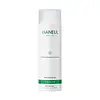 Key Ingredients
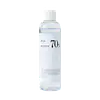
Benefits
Concerns
Ingredients Side-by-side
Water
Skin ConditioningBetaine
Humectant


Butylene Glycol
Humectant
Glycerin
Humectant
Niacinamide
Smoothing








Acetyl Glucosamine
Skin Conditioning
Broussonetia Kazinoki Root Extract
Skin ConditioningMorus Alba Bark Extract
Skin ConditioningPyrus Malus Fruit Extract
Skin Conditioning
Camellia Japonica Leaf Extract
Skin ConditioningCamellia Sinensis Leaf Extract
Antimicrobial
Centella Asiatica Extract
Cleansing
Galactoarabinan
Tricholoma Matsutake Extract
Skin ConditioningSophora Japonica Flower Extract
Skin Protecting1,2-Hexanediol
Skin Conditioning
Cnidium Monnieri Fruit Extract
HumectantThymus Serpyllum Extract
Skin ConditioningPPG-1 Trideceth-13
EmollientDipropylene Glycol
HumectantHydroxyacetophenone
Antioxidant
Caprylyl Glycol
Emollient
Dipotassium Glycyrrhizate
Humectant
Tetrasodium EDTA
Benzophenone-4
UV Absorber
Citric Acid
Buffering

Parfum
Masking



Water, Betaine, Butylene Glycol, Glycerin, Niacinamide, Acetyl Glucosamine, Broussonetia Kazinoki Root Extract, Morus Alba Bark Extract, Pyrus Malus Fruit Extract, Camellia Japonica Leaf Extract, Camellia Sinensis Leaf Extract, Centella Asiatica Extract, Galactoarabinan, Tricholoma Matsutake Extract, Sophora Japonica Flower Extract, 1,2-Hexanediol, Cnidium Monnieri Fruit Extract, Thymus Serpyllum Extract, PPG-1 Trideceth-13, Dipropylene Glycol, Hydroxyacetophenone, Caprylyl Glycol, Dipotassium Glycyrrhizate, Tetrasodium EDTA, Benzophenone-4, Citric Acid, Parfum
Betula Platyphylla Japonica Juice 70%
Skin Conditioning
Dipropylene Glycol
HumectantGlycerin
Humectant
1,2-Hexanediol
Skin Conditioning
Methylpropanediol
SolventBetaine
Humectant
Allantoin
Skin Conditioning
Cucumis Sativus Fruit Extract
Emollient
Gluconic Acid
Hydrolyzed Hyaluronic Acid
Humectant
Hyaluronic Acid
Humectant
Sodium Hyaluronate
Humectant
Sodium Hyaluronate Crosspolymer
Humectant
Hydrolyzed Glycosaminoglycans
HumectantButylene Glycol
Humectant
Gardenia Florida Fruit Extract
Skin ConditioningIsopentyldiol
Humectant
Acrylates/C10-30 Alkyl Acrylate Crosspolymer
Emulsion StabilisingTromethamine
BufferingCitric Acid
Buffering
Propanediol
Solvent
Benzyl Glycol
SolventEthylhexylglycerin
Skin ConditioningRaspberry Ketone
Masking
Betula Platyphylla Japonica Juice 70%, Dipropylene Glycol, Glycerin, 1,2-Hexanediol, Methylpropanediol, Betaine, Allantoin, Cucumis Sativus Fruit Extract, Gluconic Acid, Hydrolyzed Hyaluronic Acid, Hyaluronic Acid, Sodium Hyaluronate, Sodium Hyaluronate Crosspolymer, Hydrolyzed Glycosaminoglycans, Butylene Glycol, Gardenia Florida Fruit Extract, Isopentyldiol, Acrylates/C10-30 Alkyl Acrylate Crosspolymer, Tromethamine, Citric Acid, Propanediol, Benzyl Glycol, Ethylhexylglycerin, Raspberry Ketone
Reviews
Ingredients Explained
These ingredients are found in both products.
Ingredients higher up in an ingredient list are typically present in a larger amount.
1,2-Hexanediol is a synthetic liquid and another multi-functional powerhouse.
It is a:
- Humectant, drawing moisture into the skin
- Emollient, helping to soften skin
- Solvent, dispersing and stabilizing formulas
- Preservative booster, enhancing the antimicrobial activity of other preservatives
Betaine is a humectant. Like hyaluronic acid, it helps attract and retain moisture in the skin. It’s known for being gentle and for helping the skin maintain balanced hydration.
Betaine is mainly used to improve hydration and support calmer skin. It helps skin cells regulate water balance because it functions as an osmolyte.
Some studies suggest betaine may support making skin tone more even.
Fun fact: Betaine naturally exists in the skin and the body. In cosmetic products, it can be either plant-derived (most commonly from sugar beets) or synthetically produced for consistency and stability.
Betaine is also known as trimethylglycine.
Learn more about BetaineButylene Glycol (or BG) is used within cosmetic products for a few different reasons:
Overall, Butylene Glycol is a safe and well-rounded ingredient that works well with other ingredients.
Though this ingredient works well with most skin types, some people with sensitive skin may experience a reaction such as allergic rashes, closed comedones, or itchiness.
Learn more about Butylene GlycolCitric Acid is an alpha hydroxy acid (AHA) naturally found in citrus fruits like oranges, lemons, and limes.
Like other AHAs, citric acid can exfoliate skin by breaking down the bonds that hold dead skin cells together. This helps reveal smoother and brighter skin underneath.
However, this exfoliating effect only happens at high concentrations (20%) which can be hard to find in cosmetic products.
Due to this, citric acid is usually included in small amounts as a pH adjuster. This helps keep products slightly more acidic and compatible with skin's natural pH.
In skincare formulas, citric acid can:
While it can provide some skin benefits, research shows lactic acid and glycolic acid are generally more effective and less irritating exfoliants.
Most citric acid used in skincare today is made by fermenting sugars (usually from molasses). This synthetic version is identical to the natural citrus form but easier to stabilize and use in formulations.
Read more about some other popular AHA's here:
Learn more about Citric AcidDipropylene Glycol is a synthetically created humectant, stabilizer, and solvent.
This ingredient helps:
Dipropylene glycol is technically an alcohol, but it belongs to the glycol family (often considered part of the ‘good’ alcohols). This means it is hydrating and gentle on skin unlike drying solvent alcohols like denatured alcohol.
As a masking agent, Dipropylene Glycol can be used to cover the smell of other ingredients. However, it does not have a scent.
Studies show Dipropylene Glycol is considered safe to use in skincare.
Learn more about Dipropylene GlycolGlycerin (or glycerol) is a compound naturally found in your skin. It's a powerhouse humectant that pulls water into the stratum corneum.
Topically, glycerin does several things at once:
Your skin makes glycerin on its own (mostly from sebaceous oil breakdown) and shuttles it to your outermost layer of skin, or your epidermis, via aquaporin-3.
Aquaporin-3 is a transporter that is essential for normal skin hydration, elasticity, and repair. Interestingly, mice lacking in AQP3 have dry and less elastic skin that can be fully corrected with glycerin.
This ingredient is non-irritating, plays well with almost every ingredient, and works across all skin types. Typical use is anywhere between 3-10% but can go up to 79% in some leave-on products.
Just know very high concentrations (>40%) can feel tacky in low humidity.
Glycerin is the name for this ingredient in American English. British English uses Glycerol/Glycerine.
Learn more about Glycerin

