
What's inside
What's inside
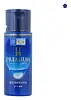 Key Ingredients
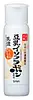
Benefits
Concerns
No concerns
Ingredients Side-by-side
Tranexamic Acid
Astringent




Dipotassium Glycyrrhizate
Humectant
Hydrolyzed Hyaluronic Acid
Humectant



Sodium Hyaluronate
Humectant
Magnesium Ascorbyl Phosphate
Antioxidant



Tocopherol
Antioxidant
Dipropylene Glycol
HumectantΑ-Olefin Oligomer
Glycerin
Humectant
Diglycerin
Humectant
Butylene Glycol
Humectant
Limnanthes Alba Seed Oil
Skin Conditioning

Octyldodecanol
Emollient
Dimethicone
Emollient
Tricaprylin
Perfuming
Glyceryl Stearate
Emollient
Sodium Stearoyl Glutamate
CleansingDisodium EDTA
Carbomer
Emulsion StabilisingSodium Bisulfite
Antioxidant
Xanthan Gum
EmulsifyingPhenethyl Alcohol
MaskingPhenoxyethanol
Preservative
Tranexamic Acid, Dipotassium Glycyrrhizate, Hydrolyzed Hyaluronic Acid, Sodium Hyaluronate, Magnesium Ascorbyl Phosphate, Tocopherol, Dipropylene Glycol, Α-Olefin Oligomer, Glycerin, Diglycerin, Butylene Glycol, Limnanthes Alba Seed Oil, Octyldodecanol, Dimethicone, Tricaprylin, Glyceryl Stearate, Sodium Stearoyl Glutamate, Disodium EDTA, Carbomer, Sodium Bisulfite, Xanthan Gum, Phenethyl Alcohol, Phenoxyethanol
Water
Skin ConditioningGlycerin
Humectant
Alcohol
Antimicrobial




Squalane
Emollient
Soymilk Isoflavones
Antioxidant
Rhizopus/Soybean Ferment Extract Filtrate
Skin ConditioningButylene Glycol
Humectant
Arginine
Masking
Carbomer
Emulsion StabilisingCyclodextrin
AbsorbentStearic Acid
Cleansing
Glyceryl Stearate
Emollient
Sodium Stearoyl Glutamate
CleansingCetyl Alcohol
Emollient
Glycine Soja Protein
EmulsifyingGlycine Soja Seed Extract
Skin Conditioning
Sodium Polyacrylate
Absorbent
Beeswax
Emulsion Stabilising
Methylparaben
Preservative

Water, Glycerin, Alcohol, Squalane, Soymilk Isoflavones, Rhizopus/Soybean Ferment Extract Filtrate, Butylene Glycol, Arginine, Carbomer, Cyclodextrin, Stearic Acid, Glyceryl Stearate, Sodium Stearoyl Glutamate, Cetyl Alcohol, Glycine Soja Protein, Glycine Soja Seed Extract, Sodium Polyacrylate, Beeswax, Methylparaben
Reviews
Ingredients Explained
These ingredients are found in both products.
Ingredients higher up in an ingredient list are typically present in a larger amount.
Butylene Glycol (or BG) is used within cosmetic products for a few different reasons:
Overall, Butylene Glycol is a safe and well-rounded ingredient that works well with other ingredients.
Though this ingredient works well with most skin types, some people with sensitive skin may experience a reaction such as allergic rashes, closed comedones, or itchiness.
Learn more about Butylene GlycolCarbomer is a high-molecular weight polymer of acrylic acid. It is used to form gels and thicken formulas.
Due to its large molecular size, carbomer has minimal skin penetration and is considered an inert ingredient.
A high amount of carbomer can cause pilling or balling up of products. Don't worry, most products contain 1% or less of carbomer.
Learn more about CarbomerGlycerin (or glycerol) is a compound naturally found in your skin. It's a powerhouse humectant that pulls water into the stratum corneum.
Topically, glycerin does several things at once:
Your skin makes glycerin on its own (mostly from sebaceous oil breakdown) and shuttles it to your outermost layer of skin, or your epidermis, via aquaporin-3.
Aquaporin-3 is a transporter that is essential for normal skin hydration, elasticity, and repair. Interestingly, mice lacking in AQP3 have dry and less elastic skin that can be fully corrected with glycerin.
This ingredient is non-irritating, plays well with almost every ingredient, and works across all skin types. Typical use is anywhere between 3-10% but can go up to 79% in some leave-on products.
Just know very high concentrations (>40%) can feel tacky in low humidity.
Glycerin is the name for this ingredient in American English. British English uses Glycerol/Glycerine.
Learn more about GlycerinGlyceryl Stearate is made by reacting glycerin with stearic acid (typically sourced from plant oils like palm or coconut). It's an emulsifier, emollient, and mild occlusive.
Emulsifiers help ingredients like oil and water stay mixed so your formula stays nicely blended and uniform in texture.
This ingredient is typically used in concentrations between 1-10%. Studies have found it to be non-sensitizing, non-phototoxic, and non-photoallergenic.
A close cousin of this ingredient is Glyceryl Stearate SE ("self-emulsifying"). This just has a small amount of sodium or potassium stearate added so it can emulsify without a co-emulsifier.
Since this ingredient is an ester of a C18 fatty acid, it may not be fungal acne safe. The Malassezia yeast can potentially metabolize within the C11-C24 range.
Fun fact: The human body also creates Glyceryl Stearate naturally.
Learn more about Glyceryl StearateSodium Stearoyl Glutamate is an amino-acid based emulsifier. It is made by combining stearic acid with L-glutamic acid and neutralizing it to a sodium salt.
As an emulsifier, it works mainly as an oil-in-water one and helps keep the oil and water in your formulas blended. It also contributes to a smooth, non-greasy skin feel.
This ingredient is biodegradable and commonly available in natural/COSMOS-certified grades.
Learn more about Sodium Stearoyl Glutamate
