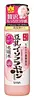
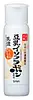
SANA Nameraka Honpo Q10 Soy Milk Moisturizing Lotion Toner Versus SANA Nameraka Honpo Soy Milk Moisture Milky Lotion
This anti-aging toner is formulated around Ubiquinone to soften the look of wrinkles.
This hydrating emulsion is formulated around Squalane to hydrate skin and strengthen the skin barrier.

What's inside
What's inside
 Key Ingredients
Benefits
Concerns
Ingredients Side-by-side
Water
Skin ConditioningGlycerin
Humectant


Butylene Glycol
Humectant
Alcohol
Antimicrobial




Methyl Gluceth-10
EmulsifyingLactobacillus/Soymilk Ferment Filtrate
Skin ConditioningGlycine Max Seed Extract
Skin ConditioningGlycine Soja Protein
EmulsifyingUbiquinone
Antioxidant

Tocopheryl Acetate
Antioxidant

Styrene/Acrylates Copolymer
PEG-60 Hydrogenated Castor Oil
Emulsifying

Citric Acid
Buffering
Sodium Citrate
BufferingCaprylic/Capric Triglyceride
Masking
Hydroxyethylcellulose
Emulsion StabilisingPolyquaternium-51
Skin Conditioning
Lecithin
Emollient
Methylparaben
Preservative


Water, Glycerin, Butylene Glycol, Alcohol, Methyl Gluceth-10, Lactobacillus/Soymilk Ferment Filtrate, Glycine Max Seed Extract, Glycine Soja Protein, Ubiquinone, Tocopheryl Acetate, Styrene/Acrylates Copolymer, PEG-60 Hydrogenated Castor Oil, Citric Acid, Sodium Citrate, Caprylic/Capric Triglyceride, Hydroxyethylcellulose, Polyquaternium-51, Lecithin, Methylparaben
Water
Skin ConditioningGlycerin
Humectant
Alcohol
Antimicrobial
Squalane
Emollient
Soymilk Isoflavones
Antioxidant
Rhizopus/Soybean Ferment Extract Filtrate
Skin ConditioningButylene Glycol
Humectant
Arginine
Masking
Carbomer
Emulsion StabilisingCyclodextrin
AbsorbentStearic Acid
Cleansing
Glyceryl Stearate
Emollient
Sodium Stearoyl Glutamate
CleansingCetyl Alcohol
Emollient
Glycine Soja Protein
EmulsifyingGlycine Soja Seed Extract
Skin Conditioning

Sodium Polyacrylate
Absorbent
Beeswax
Emulsion Stabilising
Methylparaben
Preservative
Water, Glycerin, Alcohol, Squalane, Soymilk Isoflavones, Rhizopus/Soybean Ferment Extract Filtrate, Butylene Glycol, Arginine, Carbomer, Cyclodextrin, Stearic Acid, Glyceryl Stearate, Sodium Stearoyl Glutamate, Cetyl Alcohol, Glycine Soja Protein, Glycine Soja Seed Extract, Sodium Polyacrylate, Beeswax, Methylparaben
Ingredients Explained
These ingredients are found in both products.
Ingredients higher up in an ingredient list are typically present in a larger amount.
This ingredient is also called ethanol or ethyl alcohol. It is denatured, meaning made undrinkable for cosmetic use.
In formulas, it:
Is it bad for your skin?
The answer comes down to concentration. Patch and wash studies have found highly concentrated alcohol-based hand rubs (60-100%) cause less barrier disruption than washing with a basic detergent like SLS. The only measurable effect in these studies was a temporary dip in skin hydration.
Concentrations below 12-15% in leave-on cosmetics is generally well-tolerated. Concentrations above start to see increased transepidermal water loss (TEWL) and reduced hydration.
In concentrations about 58%, it creates temporary channels in your skin's lipid layers to become more permeable and allow other ingredients to slip through easily.
This ingredient can be up to 80% of the formula in alcohol-based perfumes.
Overall, this ingredient is probably harmless if found lower down an ingredients list but worth side-eyeing if it's high up (especially if your barrier is already struggling).
Alcohol can worsen dry skin, eczema, and oily skin, especially at higher concentrations. This is because it can increase transepidermal water loss and decrease hydration to disrupt the skin barrier.
According to the National Rosacea Society based in the US, you should be mindful of products with these alcohols in the top half of ingredients.
True allergic contact dermatitis to ethanol is uncommon, but be sure to patch test if you have dry or sensitive skin.
Learn more about AlcoholButylene Glycol (or BG) is used within cosmetic products for a few different reasons:
Overall, Butylene Glycol is a safe and well-rounded ingredient that works well with other ingredients.
Though this ingredient works well with most skin types, some people with sensitive skin may experience a reaction such as allergic rashes, closed comedones, or itchiness.
Learn more about Butylene GlycolGlycerin (or glycerol) is a compound naturally found in your skin. It's a powerhouse humectant that pulls water into the stratum corneum.
Topically, glycerin does several things at once:
Your skin makes glycerin on its own (mostly from sebaceous oil breakdown) and shuttles it to your outermost layer of skin, or your epidermis, via aquaporin-3.
Aquaporin-3 is a transporter that is essential for normal skin hydration, elasticity, and repair. Interestingly, mice lacking in AQP3 have dry and less elastic skin that can be fully corrected with glycerin.
This ingredient is non-irritating, plays well with almost every ingredient, and works across all skin types. Typical use is anywhere between 3-10% but can go up to 79% in some leave-on products.
Just know very high concentrations (>40%) can feel tacky in low humidity.
Glycerin is the name for this ingredient in American English. British English uses Glycerol/Glycerine.
Learn more about GlycerinGlycine Soja Protein comes from the soybean. It is an emulsifer and helps to condition skin. Emulsifiers prevent ingredients from separating, such as water and oils.
Learn more about Glycine Soja Oil.
Methylparaben is a synthetic preservative and one of the most widely used in the world. It has a simple, but important job: prevent your products from going bad by stopping bacteria, yeast, and mold from growing.
Typical use levels are low, often 0.1-0.3%.
This is also one of the most heavily studied preservatives out there and major regulatory bodies have repeatedly given it the green light.
In 2023, the EU's Scientific Committee on Consumer Safety (SCCS) confirmed that this ingredient is safe up to 0.4% on its own, of up to 0.8% when mixed with other paraben esters.
Here's the science behind the noise behind parabens/hormones as well:
Methylparaben shows very weak estrogen-like activity in vitro tests (more than 1,000x weaker than your body's own estradiol). In vivo (live-organism) studies don't support a meaningful endocrine-disrupting effect either.
You get a stronger estrogenic effect from eating tofu, actually.
It's also a low sensitizer and allergic reactions are uncommon; they usually happen on damage or broken skin.
There is a caveat: France has proposed to formally re-examine its endocrine classification in 2025 so the regulatory conversation isn't fully closed as of yet.
But as it stands today, this ingredient is considered safe at permitted levels.
Learn more about MethylparabenWater. It's the most common cosmetic ingredient of all. You'll usually see it at the top of ingredient lists, meaning that it makes up the largest part of the product.
So why is it so popular? Water most often acts as a solvent - this means that it helps dissolve other ingredients into the formulation.
You'll also recognize water as that liquid we all need to stay alive. If you see this, drink a glass of water. Remember to stay hydrated!
Learn more about Water

