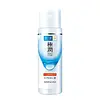
This hydrating toner is formulated around Sodium Hyaluronate and Hydrolyzed Hyaluronic Acid to hydrate skin and strengthen the skin barrier.
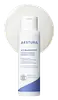
This hydrating essence is formulated around Squalane and Hydroxypropyl Bispalmitamide Mea to hydrate skin and strengthen the skin barrier.


What's inside
What's inside
 Key Ingredients
Benefits
Concerns
No concerns
Ingredients Side-by-side
Water
Skin ConditioningButylene Glycol
Humectant

Glycerin
Humectant
1,2-Hexanediol
Skin Conditioning
PPG-10 Methyl Glucose Ether
Skin ConditioningPhenoxyethanol
Preservative
Disodium Succinate
MaskingChlorphenesin
Antimicrobial
Sodium Hyaluronate
Humectant


Hydroxyethylcellulose
Emulsion StabilisingSuccinic Acid
BufferingGlycine
Buffering
Hydrolyzed Hyaluronic Acid
Humectant
Sodium Acetylated Hyaluronate
Humectant
Glycosphingolipids
EmollientWater
Skin ConditioningButylene Glycol
Humectant
Glycerin
Humectant
Squalane
Emollient
1,2-Hexanediol
Skin Conditioning
Acrylates/C10-30 Alkyl Acrylate Crosspolymer
Emulsion StabilisingCarbomer
Emulsion StabilisingTromethamine
BufferingGlyceryl Caprylate
EmollientEthylhexylglycerin
Skin ConditioningDisodium EDTA
ChelatingNatto Gum
Stearic Acid
Cleansing


Hydroxypropyl Bispalmitamide Mea
Emollient
Mannitol
Humectant
PCA
Humectant
Lactic Acid
Buffering







Glucose
Humectant
Glycine
Buffering
Urea
Buffering
Sodium Glycerophosphate
Serine
Masking
Glutamic Acid
Humectant
Tocopherol
Antioxidant

Acrylates/Ammonium Methacrylate Copolymer
Potassium Magnesium Aspartate
BufferingAspartic Acid
Masking
Leucine
Skin ConditioningSodium Chloride
MaskingAlanine
Masking
Lysine
Skin ConditioningArginine
Masking
Calcium Gluconate
HumectantMagnesium Gluconate
Skin ConditioningTyrosine
MaskingPhenylalanine
Masking
Proline
Skin Conditioning
Threonine
Valine
MaskingIsoleucine
Skin ConditioningCitric Acid
Buffering
Cholesterol
Emollient
Histidine
Humectant
Silica
Abrasive
Acetyl Glucosamine
Skin Conditioning
Creatine
Skin ConditioningUric Acid
BufferingCysteine
Antioxidant
Methionine
Skin ConditioningWater, Butylene Glycol, Glycerin, Squalane, 1,2-Hexanediol, Acrylates/C10-30 Alkyl Acrylate Crosspolymer, Carbomer, Tromethamine, Glyceryl Caprylate, Ethylhexylglycerin, Disodium EDTA, Natto Gum, Stearic Acid, Hydroxypropyl Bispalmitamide Mea, Mannitol, PCA, Lactic Acid, Glucose, Glycine, Urea, Sodium Glycerophosphate, Serine, Glutamic Acid, Tocopherol, Acrylates/Ammonium Methacrylate Copolymer, Potassium Magnesium Aspartate, Aspartic Acid, Leucine, Sodium Chloride, Alanine, Lysine, Arginine, Calcium Gluconate, Magnesium Gluconate, Tyrosine, Phenylalanine, Proline, Threonine, Valine, Isoleucine, Citric Acid, Cholesterol, Histidine, Silica, Acetyl Glucosamine, Creatine, Uric Acid, Cysteine, Methionine
Reviews
Ingredients Explained
These ingredients are found in both products.
Ingredients higher up in an ingredient list are typically present in a larger amount.
1,2-Hexanediol is a synthetic liquid and another multi-functional powerhouse.
It is a:
- Humectant, drawing moisture into the skin
- Emollient, helping to soften skin
- Solvent, dispersing and stabilizing formulas
- Preservative booster, enhancing the antimicrobial activity of other preservatives
Butylene Glycol (or BG) is used within cosmetic products for a few different reasons:
Overall, Butylene Glycol is a safe and well-rounded ingredient that works well with other ingredients.
Though this ingredient works well with most skin types, some people with sensitive skin may experience a reaction such as allergic rashes, closed comedones, or itchiness.
Learn more about Butylene GlycolGlycerin (or glycerol) is a compound naturally found in your skin. It's a powerhouse humectant that pulls water into the stratum corneum.
Topically, glycerin does several things at once:
Your skin makes glycerin on its own (mostly from sebaceous oil breakdown) and shuttles it to your outermost layer of skin, or your epidermis, via aquaporin-3.
Aquaporin-3 is a transporter that is essential for normal skin hydration, elasticity, and repair. Interestingly, mice lacking in AQP3 have dry and less elastic skin that can be fully corrected with glycerin.
This ingredient is non-irritating, plays well with almost every ingredient, and works across all skin types. Typical use is anywhere between 3-10% but can go up to 79% in some leave-on products.
Just know very high concentrations (>40%) can feel tacky in low humidity.
Glycerin is the name for this ingredient in American English. British English uses Glycerol/Glycerine.
Learn more about GlycerinGlycine is the smallest amino acid and a key building block of collagen. It's part if your skin's Natural Moisturizing Factor (NMF), or the water-loving molecules in your outermost layer of skin (stratum corneum) that keeps everything hydrated and happy.
A study from 2022 found that an amino acid complex featuring taurine, arginine, and glycine significantly reduced skin irritation, improved redness, and accelerated the skin repair process.
Water. It's the most common cosmetic ingredient of all. You'll usually see it at the top of ingredient lists, meaning that it makes up the largest part of the product.
So why is it so popular? Water most often acts as a solvent - this means that it helps dissolve other ingredients into the formulation.
You'll also recognize water as that liquid we all need to stay alive. If you see this, drink a glass of water. Remember to stay hydrated!
Learn more about Water

