
What's inside
What's inside
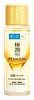 Key Ingredients
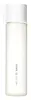
No key ingredients
Benefits
Concerns
No concerns
Ingredients Side-by-side
Water
Skin ConditioningGlycerin
Humectant


Dipropylene Glycol
HumectantNiacinamide
Smoothing









Hydroxyethyl Urea
Humectant
Pentylene Glycol
Skin Conditioning
PEG/PPG-17/6 Copolymer
SolventPEG-32
HumectantTriethyl Citrate
Masking
Methyl Gluceth-10
Emulsifying1,2-Hexanediol
Skin Conditioning
Butylene Glycol
Humectant
Trehalose
Humectant
Hydroxyacetophenone
Antioxidant
Carbomer
Emulsion StabilisingDiethoxyethyl Succinate
SolventPEG-75
HumectantMaltooligosyl Glucoside
Skin ConditioningDisodium Succinate
MaskingSodium Hyaluronate
Humectant
Hydrogenated Starch Hydrolysate
HumectantPotassium Hydroxide
BufferingLactobacillus/Soybean Ferment Extract
Skin ConditioningViscum Album Leaf Extract
SoothingSuccinic Acid
BufferingDisodium EDTA
Imperata Cylindrica Root Extract
Skin ConditioningHydrolyzed Sodium Hyaluronate
Skin Conditioning
C12-13 Alkyl Glyceryl Hydrolyzed Hyaluronate
Phenylethyl Resorcinol
Antioxidant
Hydrolyzed Collagen
Emollient
Copper Tripeptide-1
Skin Conditioning
Sodium Acetylated Hyaluronate
Humectant
Caprylyl Glycol
Emollient
Polyquaternium-51
Skin Conditioning
Sodium Hyaluronate Crosspolymer
Humectant
Lactococcus/Hyaluronic Acid Ferment Filtrate
Acetyl Hexapeptide-8
Humectant
Aphanothece Sacrum Polysaccharide
AbsorbentSilica
Abrasive
Water, Glycerin, Dipropylene Glycol, Niacinamide, Hydroxyethyl Urea, Pentylene Glycol, PEG/PPG-17/6 Copolymer, PEG-32, Triethyl Citrate, Methyl Gluceth-10, 1,2-Hexanediol, Butylene Glycol, Trehalose, Hydroxyacetophenone, Carbomer, Diethoxyethyl Succinate, PEG-75, Maltooligosyl Glucoside, Disodium Succinate, Sodium Hyaluronate, Hydrogenated Starch Hydrolysate, Potassium Hydroxide, Lactobacillus/Soybean Ferment Extract, Viscum Album Leaf Extract, Succinic Acid, Disodium EDTA, Imperata Cylindrica Root Extract, Hydrolyzed Sodium Hyaluronate, C12-13 Alkyl Glyceryl Hydrolyzed Hyaluronate, Phenylethyl Resorcinol, Hydrolyzed Collagen, Copper Tripeptide-1, Sodium Acetylated Hyaluronate, Caprylyl Glycol, Polyquaternium-51, Sodium Hyaluronate Crosspolymer, Lactococcus/Hyaluronic Acid Ferment Filtrate, Acetyl Hexapeptide-8, Aphanothece Sacrum Polysaccharide, Silica
Water
Skin ConditioningButylene Glycol
Humectant
Glycerin
Humectant
Diglycerin
Humectant
Propanediol
Solvent
PPG-24-Glycereth-24
EmulsifyingPhenoxyethanol
Preservative
Glycosyl Trehalose
Emulsion StabilisingPEG-75
HumectantPolyglyceryl-10 Eicosanedioate/Tetradecanedioate
Skin ConditioningHydrogenated Starch Hydrolysate
HumectantMethylparaben
Preservative


PEG-400
Emulsion StabilisingCarbomer
Emulsion StabilisingXanthan Gum
EmulsifyingPotassium Hydroxide
BufferingCentaurea Cyanus Flower Extract
Astringent
Prunus Persica Leaf Extract
Emollient
Tilia Cordata Flower Extract
Skin Conditioning
Zostera Marina Extract
Skin ConditioningWater, Butylene Glycol, Glycerin, Diglycerin, Propanediol, PPG-24-Glycereth-24, Phenoxyethanol, Glycosyl Trehalose, PEG-75, Polyglyceryl-10 Eicosanedioate/Tetradecanedioate, Hydrogenated Starch Hydrolysate, Methylparaben, PEG-400, Carbomer, Xanthan Gum, Potassium Hydroxide, Centaurea Cyanus Flower Extract, Prunus Persica Leaf Extract, Tilia Cordata Flower Extract, Zostera Marina Extract
Reviews
Ingredients Explained
These ingredients are found in both products.
Ingredients higher up in an ingredient list are typically present in a larger amount.
Butylene Glycol (or BG) is used within cosmetic products for a few different reasons:
Overall, Butylene Glycol is a safe and well-rounded ingredient that works well with other ingredients.
Though this ingredient works well with most skin types, some people with sensitive skin may experience a reaction such as allergic rashes, closed comedones, or itchiness.
Learn more about Butylene GlycolCarbomer is a high-molecular weight polymer of acrylic acid. It is used to form gels and thicken formulas.
Due to its large molecular size, carbomer has minimal skin penetration and is considered an inert ingredient.
A high amount of carbomer can cause pilling or balling up of products. Don't worry, most products contain 1% or less of carbomer.
Learn more about CarbomerGlycerin (or glycerol) is a compound naturally found in your skin. It's a powerhouse humectant that pulls water into the stratum corneum.
Topically, glycerin does several things at once:
Your skin makes glycerin on its own (mostly from sebaceous oil breakdown) and shuttles it to your outermost layer of skin, or your epidermis, via aquaporin-3.
Aquaporin-3 is a transporter that is essential for normal skin hydration, elasticity, and repair. Interestingly, mice lacking in AQP3 have dry and less elastic skin that can be fully corrected with glycerin.
This ingredient is non-irritating, plays well with almost every ingredient, and works across all skin types. Typical use is anywhere between 3-10% but can go up to 79% in some leave-on products.
Just know very high concentrations (>40%) can feel tacky in low humidity.
Glycerin is the name for this ingredient in American English. British English uses Glycerol/Glycerine.
Learn more about GlycerinHydrogenated Starch Hydrolysate is a made up of a mixture of sugar alcohols (like sorbitol) and is created by hydrogenating corn, wheat, or potato starch.
It acts as a humectant and draws water to the skin to keep it hydrated. Generally, this is a well-tolerated and non-irritating ingredient.
This ingredient is also known as Macrogol 4000. It is a polyethylene glycol with an average molecular weight of about 3,000 - 4,000 and functions as a humectant and solvent.
Solvents help dissolve and evenly distribute other ingredients within a formula.
Due to its high molecular weight, PEG-75 has limited skin penetration and remains mostly on the surface.
Learn more about PEG-75Potassium hydroxide is commonly known as caustic potash. It is used to fix the pH of a product or as a cleaning agent in soap. In cleansers, it is used for the saponification of oils.
Sapnification is the process of creating fatty acid metal salts from triglycerides and a strong base. During this process, Potassium Hydroxide is used up and is not present in the final product.
Using high concentrations of Potassium Hydroxide have shown to irritate the skin.
Learn more about Potassium HydroxideWater. It's the most common cosmetic ingredient of all. You'll usually see it at the top of ingredient lists, meaning that it makes up the largest part of the product.
So why is it so popular? Water most often acts as a solvent - this means that it helps dissolve other ingredients into the formulation.
You'll also recognize water as that liquid we all need to stay alive. If you see this, drink a glass of water. Remember to stay hydrated!
Learn more about Water
