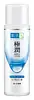
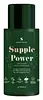
Hada Labo Gokujyun Hyaluronic Acid Lotion Versus Somethinc Supple Power Hyaluronic9+ Onsen Essence Toner


What's inside
What's inside
 Key Ingredients
Benefits
Concerns
No concerns
Ingredients Side-by-side


Onsen-Sui
Water
Skin ConditioningNiacinamide
Smoothing











Butylene Glycol
Humectant
1,2-Hexanediol
Skin Conditioning
Dipropylene Glycol
HumectantChondrus Crispus Extract
Skin Conditioning
Caprylyl Glycol
Emollient
Saccharum Officinarum Extract
MoisturisingBetaine
Humectant
Sodium Citrate
BufferingPropanediol
Solvent
Polyglyceryl-10 Laurate
Skin Conditioning

Sodium Hyaluronate
Humectant
Citric Acid
Buffering
Adenosine
Skin Conditioning
Allantoin
Skin Conditioning
Hyaluronic Acid
Humectant
Plumeria Alba Flower Oil

Ethylhexylglycerin
Skin ConditioningHydrolyzed Hyaluronic Acid
Humectant
Hydroxypropyltrimonium Hyaluronate
Hydrolyzed Sodium Hyaluronate
Skin Conditioning
Sodium Acetylated Hyaluronate
Humectant
Caffeine
Skin Conditioning
Potassium Hyaluronate
Skin ConditioningTocopherol
Antioxidant

Dimethylsilanol Hyaluronate
Humectant
Sodium Benzoate
Masking
Onsen-Sui, Water, Niacinamide, Butylene Glycol, 1,2-Hexanediol, Dipropylene Glycol, Chondrus Crispus Extract, Caprylyl Glycol, Saccharum Officinarum Extract, Betaine, Sodium Citrate, Propanediol, Polyglyceryl-10 Laurate, Sodium Hyaluronate, Citric Acid, Adenosine, Allantoin, Hyaluronic Acid, Plumeria Alba Flower Oil, Ethylhexylglycerin, Hydrolyzed Hyaluronic Acid, Hydroxypropyltrimonium Hyaluronate, Hydrolyzed Sodium Hyaluronate, Sodium Acetylated Hyaluronate, Caffeine, Potassium Hyaluronate, Tocopherol, Dimethylsilanol Hyaluronate, Sodium Benzoate
Reviews
Alternatives
Ingredients Explained
These ingredients are found in both products.
Ingredients higher up in an ingredient list are typically present in a larger amount.
Dipropylene Glycol is a synthetically created humectant, stabilizer, and solvent.
This ingredient helps:
Dipropylene glycol is technically an alcohol, but it belongs to the glycol family (often considered part of the ‘good’ alcohols). This means it is hydrating and gentle on skin unlike drying solvent alcohols like denatured alcohol.
As a masking agent, Dipropylene Glycol can be used to cover the smell of other ingredients. However, it does not have a scent.
Studies show Dipropylene Glycol is considered safe to use in skincare.
Learn more about Dipropylene GlycolThis ingredient is created by putting sodium hyaluronate through hydrolysis.
You might know this as 'mini' or 'ultra low-molecular weight' hyaluronic acid. The small molecule size means it is able to travel deeper in the skin.
According to studies, low molecular-weight hyaluronic acid can:
One study from 2011 found ultra-low weight HA to show pro-inflammatory properties. Another study from 2022 found it to downregulate UV-B induced inflammation.
Hydrolysis is a process of changing a molecule using water or enzymes.
This ingredient is water-soluble.
Learn more about Hydrolyzed Sodium HyaluronateSodium Acetylated Hyaluronate is a type of Hyaluronic Acid.
Hyaluronic Acids help moisturize, soothe, and protect the skin.
Read about common types of Hyaluronic Acid here:
Learn more about Sodium Acetylated HyaluronateSodium Hyaluronate is the salt form of hyaluronic acid. It is a long sugar chain that is naturally found in your skin, joints, and connective tissue that maintains hydration and elasticity.
In skincare, it works as a humectant. It pulls water from the environment and deeper layers of skin and binds it to the surface.
Interestingly, the size of the molecule affects its behavior:
Some clinical evidence links low molecular weight versions to improved wrinkle depth, elasticity, anti-inflammatory effects, and barrier repair.
Many serums use a blend of both weights so you can get surface hydration plus longer-lasting and deeper effects.
You'll typically see concentrations between 0.1-2% for this ingredient.
Learn more about Sodium Hyaluronate

