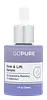
This anti-aging serum is formulated around Hydroxypinacolone Retinoate and Bakuchiol to soften the look of wrinkles and refine skin texture.
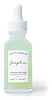
This anti-aging serum is formulated around Sodium Hyaluronate to soften the look of wrinkles and hydrate skin.

What's inside
What's inside
 Key Ingredients
Benefits
Concerns
Ingredients Side-by-side
Water
Skin ConditioningAloe Barbadensis Leaf Juice
Skin Conditioning


Glycerin
Humectant

Dimethyl Isosorbide
SolventHydroxypinacolone Retinoate
Skin Conditioning






Sodium Stearoyl Glutamate
CleansingBakuchiol
Antimicrobial


Geranium Maculatum Extract
TonicEquisetum Arvense Extract
AstringentHamamelis Virginiana Water
Astringent



Taraxacum Officinale Extract
Skin ConditioningCentella Asiatica Extract
Cleansing
Camellia Sinensis Leaf Extract
Antimicrobial
Tamarindus Indica Seed Polysaccharide
Skin ConditioningDimethyl Sulfone
SolventPropanediol
Solvent
Sclerotium Gum
Emulsion StabilisingXanthan Gum
EmulsifyingLysolecithin
EmulsifyingPullulan
Benzoic Acid
Masking
Pelargonium Graveolens Flower Oil
Masking



Simmondsia Chinensis Seed Oil
Emollient
Oryza Sativa Bran Extract
Skin Conditioning
Rosmarinus Officinalis Leaf Extract
AntimicrobialHelianthus Annuus Seed Extract
Skin Conditioning
Tocopherol
Antioxidant
Sodium Benzoate
Masking
Potassium Sorbate
Preservative
Carrageenan


Citric Acid
Buffering
Lonicera Caprifolium Flower Extract
Perfuming
Lonicera Japonica Flower Extract
Skin ConditioningWater, Aloe Barbadensis Leaf Juice, Glycerin, Dimethyl Isosorbide, Hydroxypinacolone Retinoate, Sodium Stearoyl Glutamate, Bakuchiol, Geranium Maculatum Extract, Equisetum Arvense Extract, Hamamelis Virginiana Water, Taraxacum Officinale Extract, Centella Asiatica Extract, Camellia Sinensis Leaf Extract, Tamarindus Indica Seed Polysaccharide, Dimethyl Sulfone, Propanediol, Sclerotium Gum, Xanthan Gum, Lysolecithin, Pullulan, Benzoic Acid, Pelargonium Graveolens Flower Oil, Simmondsia Chinensis Seed Oil, Oryza Sativa Bran Extract, Rosmarinus Officinalis Leaf Extract, Helianthus Annuus Seed Extract, Tocopherol, Sodium Benzoate, Potassium Sorbate, Carrageenan, Citric Acid, Lonicera Caprifolium Flower Extract, Lonicera Japonica Flower Extract
Musa Paradisiaca Fruit Juice
Skin ConditioningDimethyl Sulfone
SolventCocos Nucifera Water
Masking
Sodium Hyaluronate
Humectant
Sodium Lactate
Buffering
Crithmum Maritimum Extract
Skin ConditioningChondrus Crispus Extract
Skin Conditioning
Melia Azadirachta Leaf Extract
Skin ConditioningMelia Azadirachta Flower Extract
Skin ConditioningCaprylhydroxamic Acid
ChelatingGlyceryl Caprylate
EmollientGlycerin
Humectant
Lonicera Caprifolium Extract
AstringentMusa Paradisiaca Fruit Juice, Dimethyl Sulfone, Cocos Nucifera Water, Sodium Hyaluronate, Sodium Lactate, Crithmum Maritimum Extract, Chondrus Crispus Extract, Melia Azadirachta Leaf Extract, Melia Azadirachta Flower Extract, Caprylhydroxamic Acid, Glyceryl Caprylate, Glycerin, Lonicera Caprifolium Extract
Reviews
Ingredients Explained
These ingredients are found in both products.
Ingredients higher up in an ingredient list are typically present in a larger amount.
Dimethyl Sulfone is an organic compound that naturally contains sulfur. It is used as a solvent due to its stability. Solvents help mix and stabilize other ingredients.
Studies show taking Dimethyl Sulfone (also known as methylsulfonylmethane or MSM) orally may help reduce the depth of wrinkles. We recommend speaking with a professional if you have any questions or concerns about this ingredient.
Glycerin (or glycerol) is a compound naturally found in your skin. It's a powerhouse humectant that pulls water into the stratum corneum.
Topically, glycerin does several things at once:
Your skin makes glycerin on its own (mostly from sebaceous oil breakdown) and shuttles it to your outermost layer of skin, or your epidermis, via aquaporin-3.
Aquaporin-3 is a transporter that is essential for normal skin hydration, elasticity, and repair. Interestingly, mice lacking in AQP3 have dry and less elastic skin that can be fully corrected with glycerin.
This ingredient is non-irritating, plays well with almost every ingredient, and works across all skin types. Typical use is anywhere between 3-10% but can go up to 79% in some leave-on products.
Just know very high concentrations (>40%) can feel tacky in low humidity.
Glycerin is the name for this ingredient in American English. British English uses Glycerol/Glycerine.
Learn more about Glycerin

