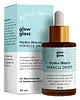
This brightening serum is formulated around Niacinamide and Hyaluronic Acid to brighten dull-looking skin and hydrate skin.
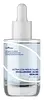
This hydrating serum is formulated around Panthenol and Hydrolyzed Hyaluronic Acid to hydrate skin and strengthen the skin barrier.


What's inside
What's inside
 Key Ingredients
Benefits
Ingredients Side-by-side










Sea Water
HumectantWater
Skin ConditioningMethylpropanediol
SolventGlycerin
Humectant


Butylene Glycol
Humectant
1,2-Hexanediol
Skin Conditioning
Betaine
Humectant
Pentylene Glycol
Skin Conditioning
Carbomer
Emulsion StabilisingCaprylyl Glycol
Emollient
Allantoin
Skin Conditioning
Tromethamine
BufferingEthylhexylglycerin
Skin ConditioningXanthan Gum
EmulsifyingPanthenol
Skin Conditioning
Malachite Extract
Antioxidant
Hydrolyzed Hyaluronic Acid
Humectant

Disodium EDTA
ChelatingGlyceryl Acrylate/Acrylic Acid Copolymer
HumectantGlyceryl Glucoside
Humectant
Sodium Hyaluronate
Humectant
Potassium Hyaluronate
Skin ConditioningHyaluronic Acid
Humectant
Hydrolyzed Sodium Hyaluronate
Skin Conditioning
Sodium Acetylated Hyaluronate
Humectant
Hydroxypropyltrimonium Hyaluronate
Sodium Hyaluronate Crosspolymer
Humectant
Dimethylsilanol Hyaluronate
Humectant
Hydrolyzed Calcium Hyaluronate
Skin ConditioningSodium Sulfated Hyaluronate
EmollientMadecassoside
Antioxidant
Beta-Glucan
Skin Conditioning
Sodium Stearoyl Hyaluronate
Skin ConditioningSodium Oleoyl Hyaluronate
Skin ConditioningSea Water, Water, Methylpropanediol, Glycerin, Butylene Glycol, 1,2-Hexanediol, Betaine, Pentylene Glycol, Carbomer, Caprylyl Glycol, Allantoin, Tromethamine, Ethylhexylglycerin, Xanthan Gum, Panthenol, Malachite Extract, Hydrolyzed Hyaluronic Acid, Disodium EDTA, Glyceryl Acrylate/Acrylic Acid Copolymer, Glyceryl Glucoside, Sodium Hyaluronate, Potassium Hyaluronate, Hyaluronic Acid, Hydrolyzed Sodium Hyaluronate, Sodium Acetylated Hyaluronate, Hydroxypropyltrimonium Hyaluronate, Sodium Hyaluronate Crosspolymer, Dimethylsilanol Hyaluronate, Hydrolyzed Calcium Hyaluronate, Sodium Sulfated Hyaluronate, Madecassoside, Beta-Glucan, Sodium Stearoyl Hyaluronate, Sodium Oleoyl Hyaluronate
Reviews
Ingredients Explained
These ingredients are found in both products.
Ingredients higher up in an ingredient list are typically present in a larger amount.
Allantoin is a soothing ingredient known for its protective and moisturizing properties; it's basically a quiet workhorse ingredient you can find in a huge range of cosmetics.
Though it can be derived from the comfrey plant, allantoin is produced synthetically for cosmetic products to ensure purity.
Research shows it can encourage your skin cells to turn over and renew by stimulating keratinocyte and fibroblast proliferation.
It also has mild keratolytic properties to help loosen and shed dead skin cells without being harsh.
Studies also suggest allantoin can help calm inflammation by dialing down some of the chemical signals your skin sends out when it is irritated.
This ingredient is typically used in the 0.1-0.5% range, and the FDA recognizes it as a skin protectant in OTC products up to 2%.
Overall, allantoin is a wonderful addition to most routines; it is stable across a wide pH range (~4-8), works well with other ingredients, and is considered non-sensitizing/non-irritating.
Fun fact: Allantoin is naturally occurring in comfrey root, beets, chamomile, and wheat sprouts. Our bodies even produce it as a byproduct of uric acid metabolism.
Learn more about AllantoinEthylhexylglycerin is created from glycerin. It is a multitasker ingredient that:
The CIR Expert Panel found minimal skin absorption or sensitization of any kind in a safety assessment. Though this ingredient is considered well-tolerated, a small number of cases of allergic dermatitis have been published since 2002. Just be sure to patch test if you are unsure.
Industry-reported use ranges from 8% in rinse-off products and 2% in leave-on formulations.
Learn more about EthylhexylglycerinHyaluronic acid (HA) is a glycosaminoglycan (basically a long sugar chain) that your skin already makes on its own. In your skin, HA lives in the extracellular matrix and acts as the body's moisture reservoir.
Topically, HA is a humectant that binds water and helps skin look more plump, smooth, and hydrated.
The only catch is that HA isn't a single thing; it actually comes in a wide range of molecular weights (~50 - 2,000+ kDA) and size matters.
Some clinical evidence links low molecular weight versions to improved wrinkle depth, elasticity, anti-inflammatory effects, and barrier repair.
This is why the best HA serums blend the two sizes together so you get the best of both worlds.
The majority of cosmetic HA is produced by bacterial fermentation, typically using Streptococcus or Bacillus strains. Typical use levels in skincare sit around 0.1-2%.
A clinical study using a 0.2% low-molecular weight HA gel showed improvement in facial seborrheic dermatitis with excellent tolerance.
These are some other common types of Hyaluronic Acid:
Learn more about Hyaluronic AcidWater. It's the most common cosmetic ingredient of all. You'll usually see it at the top of ingredient lists, meaning that it makes up the largest part of the product.
So why is it so popular? Water most often acts as a solvent - this means that it helps dissolve other ingredients into the formulation.
You'll also recognize water as that liquid we all need to stay alive. If you see this, drink a glass of water. Remember to stay hydrated!
Learn more about Water

