This acne treatment is formulated around Colloidal Sulfur and Salicylic Acid to clear breakouts and refine the look of pores.


What's inside
What's inside
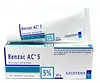 Key Ingredients
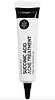
Benefits
Concerns
Ingredients Side-by-side


Water
Skin ConditioningCaprylic/Capric Triglyceride
Masking


Glyceryl Stearate Se
Emulsifying




Stearic Acid
Cleansing
Cetearyl Alcohol
Emollient
Colloidal Sulfur
Antimicrobial


Glycerin
Humectant
Succinic Acid
BufferingHydroxyethyl Acrylate/Sodium Acryloyldimethyl Taurate Copolymer
Emulsion StabilisingSalicylic Acid
Masking





Phenoxyethanol
Preservative
Squalane
Emollient
Benzyl Alcohol
Perfuming



Sodium Hyaluronate
Humectant

Polysorbate 60
Emulsifying
Ethylhexylglycerin
Skin ConditioningSodium Hydroxide
BufferingDehydroacetic Acid
Preservative
Malachite Extract
Antioxidant
Sorbitan Isostearate
Emulsifying
Trisodium Ethylenediamine Disuccinate
ChelatingCI 75810
Cosmetic ColorantWater, Caprylic/Capric Triglyceride, Glyceryl Stearate Se, Stearic Acid, Cetearyl Alcohol, Colloidal Sulfur, Glycerin, Succinic Acid, Hydroxyethyl Acrylate/Sodium Acryloyldimethyl Taurate Copolymer, Salicylic Acid, Phenoxyethanol, Squalane, Benzyl Alcohol, Sodium Hyaluronate, Polysorbate 60, Ethylhexylglycerin, Sodium Hydroxide, Dehydroacetic Acid, Malachite Extract, Sorbitan Isostearate, Trisodium Ethylenediamine Disuccinate, CI 75810
Reviews
Ingredients Explained
These ingredients are found in both products.
Ingredients higher up in an ingredient list are typically present in a larger amount.
Glycerin (or glycerol) is a compound naturally found in your skin. It's a powerhouse humectant that pulls water into the stratum corneum.
Topically, glycerin does several things at once:
Your skin makes glycerin on its own (mostly from sebaceous oil breakdown) and shuttles it to your outermost layer of skin, or your epidermis, via aquaporin-3.
Aquaporin-3 is a transporter that is essential for normal skin hydration, elasticity, and repair. Interestingly, mice lacking in AQP3 have dry and less elastic skin that can be fully corrected with glycerin.
This ingredient is non-irritating, plays well with almost every ingredient, and works across all skin types. Typical use is anywhere between 3-10% but can go up to 79% in some leave-on products.
Just know very high concentrations (>40%) can feel tacky in low humidity.
Glycerin is the name for this ingredient in American English. British English uses Glycerol/Glycerine.
Learn more about GlycerinSodium Hydroxide is also known as lye or caustic soda. It is used to adjust the pH of products; many ingredients require a specific pH to be effective.
In small amounts, sodium hydroxide is considered safe to use. However, large amounts may cause chemical burns due to its high alkaline.
Your skin has a natural pH and acid mantle. This acid mantle helps prevent harmful bacteria from breaking through. The acid mantle also helps keep your skin hydrated.
"Alkaline" refers to a high pH level. A low pH level would be considered acidic.
Learn more about Sodium Hydroxide

