This lip moisturizer is formulated around Bis-Diglyceryl Polyacyladipate-2 and Vitis Vinifera Seed Oil to hydrate lips.


What's inside
What's inside
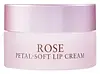 Key Ingredients
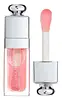
Benefits
Concerns
Ingredients Side-by-side
Isononyl Isononanoate
EmollientC10-30 Cholesterol/Lanosterol Esters
Emulsifying

Bis-Diglyceryl Polyacyladipate-2
Emollient
Cera Microcristallina
Emulsion StabilisingPolybutene
Ethylene/Propylene/Styrene Copolymer
Glyceryl Behenate/Eicosadioate
Emollient
Prunus Armeniaca Kernel Oil
Masking


Butylene/Ethylene/Styrene Copolymer
Ribes Nigrum Seed Oil
Emollient
Vitis Vinifera Seed Oil
Emollient
Rosa Damascena Extract
MaskingRosa Damascena Flower Oil
Masking



Tocopherol
Antioxidant





Ascorbyl Palmitate
Antioxidant

Silica Silylate
Emollient
Benzotriazolyl Dodecyl P-Cresol
UV AbsorberParfum
Masking
Pentaerythrityl Tetra-Di-T-Butyl Hydroxyhydrocinnamate
Antioxidant
CI 77891
Cosmetic ColorantBHT
Antioxidant
Polyglyceryl-2 Triisostearate
Emulsifying
Water
Skin ConditioningTrimethylolpropane Triisostearate
Emollient
CI 15850
Cosmetic ColorantCI 15985
Cosmetic ColorantPropyl Gallate
Antioxidant
Citronellol
Perfuming
Geraniol
Perfuming
Limonene
Perfuming
Isononyl Isononanoate, C10-30 Cholesterol/Lanosterol Esters, Bis-Diglyceryl Polyacyladipate-2, Cera Microcristallina, Polybutene, Ethylene/Propylene/Styrene Copolymer, Glyceryl Behenate/Eicosadioate, Prunus Armeniaca Kernel Oil, Butylene/Ethylene/Styrene Copolymer, Ribes Nigrum Seed Oil, Vitis Vinifera Seed Oil, Rosa Damascena Extract, Rosa Damascena Flower Oil, Tocopherol, Ascorbyl Palmitate, Silica Silylate, Benzotriazolyl Dodecyl P-Cresol, Parfum, Pentaerythrityl Tetra-Di-T-Butyl Hydroxyhydrocinnamate, CI 77891, BHT, Polyglyceryl-2 Triisostearate, Water, Trimethylolpropane Triisostearate, CI 15850, CI 15985, Propyl Gallate, Citronellol, Geraniol, Limonene
Hydrogenated Polyisobutene
EmollientTridecyl Trimellitate
EmollientPolybutene
Pentaerythrityl Tetraisostearate
Emollient
Phytosteryl/Octyldodecyl Lauroyl Glutamate
Skin ConditioningEthylene/Propylene/Styrene Copolymer
Ethylhexyl Palmitate
Emollient
Caprylic/Capric Triglyceride
Masking
Butylene/Ethylene/Styrene Copolymer
Parfum
Masking
Polyglyceryl-2 Triisostearate
Emulsifying
Luffa Cylindrica Seed Oil
Skin Conditioning
Prunus Avium Seed Oil
Emollient
Trimethylolpropane Triisostearate
Emollient
Diisostearyl Malate
EmollientTocopherol
Antioxidant
Pentaerythrityl Tetra-Di-T-Butyl Hydroxyhydrocinnamate
Antioxidant
Undaria Pinnatifida Extract
Skin ConditioningBenzyl Alcohol
Perfuming

Propyl Gallate
Antioxidant
CI 12085
Cosmetic ColorantCI 15850
Cosmetic ColorantCI 15985
Cosmetic ColorantCI 17200
Cosmetic ColorantCI 19140
Cosmetic ColorantCI 42090
Cosmetic ColorantCI 45380
Cosmetic ColorantCI 45410
Cosmetic ColorantCI 73360
Cosmetic ColorantCI 77163
Cosmetic Colorant
CI 77491
Cosmetic ColorantCI 77492
Cosmetic ColorantCI 77499
Cosmetic ColorantCI 77742
Cosmetic ColorantCI 77891
Cosmetic ColorantHydrogenated Polyisobutene, Tridecyl Trimellitate, Polybutene, Pentaerythrityl Tetraisostearate, Phytosteryl/Octyldodecyl Lauroyl Glutamate, Ethylene/Propylene/Styrene Copolymer, Ethylhexyl Palmitate, Caprylic/Capric Triglyceride, Butylene/Ethylene/Styrene Copolymer, Parfum, Polyglyceryl-2 Triisostearate, Luffa Cylindrica Seed Oil, Prunus Avium Seed Oil, Trimethylolpropane Triisostearate, Diisostearyl Malate, Tocopherol, Pentaerythrityl Tetra-Di-T-Butyl Hydroxyhydrocinnamate, Undaria Pinnatifida Extract, Benzyl Alcohol, Propyl Gallate, CI 12085, CI 15850, CI 15985, CI 17200, CI 19140, CI 42090, CI 45380, CI 45410, CI 73360, CI 77163, CI 77491, CI 77492, CI 77499, CI 77742, CI 77891
Reviews
Ingredients Explained
These ingredients are found in both products.
Ingredients higher up in an ingredient list are typically present in a larger amount.
This ingredient is a high-molecular weight synthetic polymer. It is used to modify the viscosity of a formula, improve slip, and create a more "cushiony" texture.
Due to its large molecular size, this ingredient is not absorbed into the skin.
Ci 15850 is the pigment color red. It is an azo dye and created synthetically.
Azo dyes need to be thoroughly purified before use. This allows them to be more stable and longer-lasting.
This ingredient is common in foundations, lipsticks, and blushes. This color is described as brown/orangey red.
It has many secondary names such as Red 6 and Red 7. According to a manufacturer, Red 6 usually contains aluminum.
Learn more about CI 15850Ci 15985 is a dye made from petroleum. It is synthetically created and approved by the FDA for use in foods and cosmetics.
The color of this dye is orange/yellow.
This ingredient can be found in makeup, sun care, and skincare.
Learn more about CI 15985Ci 77891 is a white pigment from Titanium dioxide. It is naturally found in minerals such as rutile and ilmenite.
It's main function is to add a white color to cosmetics. It can also be mixed with other colors to create different shades.
Ci 77891 is commonly found in sunscreens due to its ability to block UV rays.
Learn more about CI 77891This is a synthetic polymer used to thicken formulas, improve texture, and enhance spreadability.
Due to its large molecule size, this ingredient does not penetrate the skin and is considered well-tolerated.
Parfum is a catch-all term for an ingredient or more that is used to give a scent to products.
Also called "fragrance", this ingredient can be a blend of hundreds of chemicals or plant oils. This means every product with "fragrance" or "parfum" in the ingredients list is a different mixture.
For instance, Habanolide is a proprietary trade name for a specific aroma chemical. When used as a fragrance ingredient in cosmetics, most aroma chemicals fall under the broad labeling category of “FRAGRANCE” or “PARFUM” according to EU and US regulations.
The term 'parfum' or 'fragrance' is not regulated in many countries. In many cases, it is up to the brand to define this term.
For instance, many brands choose to label themselves as "fragrance-free" because they are not using synthetic fragrances. However, their products may still contain ingredients such as essential oils that are considered a fragrance by INCI standards.
One example is Calendula flower extract. Calendula is an essential oil that still imparts a scent or 'fragrance'.
Depending on the blend, the ingredients in the mixture can cause allergies and sensitivities on the skin. Some ingredients that are known EU allergens include linalool and citronellol.
Parfum can also be used to mask or cover an unpleasant scent.
The bottom line is: not all fragrances/parfum/ingredients are created equally. If you are worried about fragrances, we recommend taking a closer look at an ingredient. And of course, we always recommend speaking with a professional.
Learn more about ParfumPentaerythrityl Tetra-Di-T-Butyl Hydroxyhydrocinnamate (long name, huh?) is a synthetic antioxidant.
It is used to help stabilize other antioxidants or prevent the color from changing in a product.
As an antioxidant, it helps fight free-radical molecules. Free-radical molecules are capable of damaging our cells and other genetic material. Thus, antioxidants may reduce the signs of aging.
This ingredient is oil-soluble.
Learn more about Pentaerythrityl Tetra-Di-T-Butyl HydroxyhydrocinnamatePolybutene is used to help control the viscosity of a product. This just means it helps adjusts the texture.
It is a polymer and does not get absorbed into the skin due to its large size.
Studies found this ingredient did not irritate skin in concentrations below 15%.
Learn more about PolybutenePolyglyceryl-2 Triisostearate is a plant-derived emulsifier and pigment-dispersing agent with a non-sticky skin feel.
It helps products glide on smoothly and prevents oil and water from separating in a formula, making it suitable for sunscreen and makeup formulations.
The EU inventory of cosmetics has no use restrictions on this ingredient and it is considered well-tolerated.
This ingredient may not be fungal acne safe because it is derived from isostearic acid.
Learn more about Polyglyceryl-2 TriisostearatePropyl Gallate is a synthetic antioxidant. It works by protecting the oils, fats, and fragrance compounds in a formula from going rancid through oxidation, helping the product stay stable and effective for longer.
The Cosmetic Ingredient Review Expert Panel recommends keeping Propyl Gallate at or below 0.1% due to potential sensitization at higher levels, and most formulas stay within that limit.
We flag Propyl Gallate as both a general irritant and a lip irritant because direct skin contact can trigger redness or allergic contact dermatitis. The more sensitive skin on and around the lips is prone to reacting.
Learn more about Propyl GallateTocopherol is a fat-soluble antioxidant known as Vitamin E.
You'll find this ingredient in the vast majority of skincare (for good reason). It works to neutralize free radicals, or unstable molecules generated by UV exposure, pollution, and other environmental stressors, before they can cause oxidative damage to your skin cells.
Topically applied tocopherol has been shown to protect against UV damage by ramping up the skin's own natural defense enzymes.
It also acts as a skin conditioning agent; some studies show that regular topical use can improve the skin's water-binding capacity over 2-4 weeks.
This ingredient is especially loved for being a team player. When combined with Vitamin C, the photoprotective effect of both ingredients roughly doubles and the combo also helps reduce UV-induced DNA damage.
This ingredient has some brightening potential but it's more of a prevention ingredient than spot-fader. Cell studies show it can slow down melanin production but it's worth noting that it's not the most powerful brightener out there.
In formulations, it also serves as a stabilizer that helps protect other oxidation-prone ingredients from degrading.
Concentrations usually range from 0.1-1% in most leave-on products.
Learn more about TocopherolThis ingredient comes from trimethylolpropane and isostearic acid. It has emollient and skin conditioning properties.
According to a manufacturer, this ingredient provides a non-tacky, light, glossy feeling on the skin.
Due to its isotearic acid base, this ingredient may not be fungal-acne safe.
Learn more about Trimethylolpropane Triisostearate

