Femmue Brilliant Cleansing Gel Versus Derma E Advanced Peptides & Flora-Collagen Gentle Jelly Cleanser
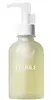
This mild gel cleanser is made to cleanse while calming and soothing your skin.
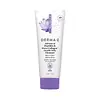
This mild cream cleanser is made to cleanse without leaving your skin tight or dry.


What's inside
What's inside
 Key Ingredients
Benefits
Concerns
Ingredients Side-by-side
Vaccinium Angustifolium Fruit Extract
Skin Protecting
Disodium Cocoamphodiacetate
CleansingLauryl Glucoside
CleansingSodium Lauroyl Glutamate
SurfactantPropanediol
Solvent

Sorbitan Caprylate
EmulsifyingSorbitol
Humectant
Citric Acid
Buffering


Glycerin
Humectant
Niacinamide
Smoothing







Pyridoxine Hcl
Skin ConditioningAloe Barbadensis Leaf Extract
Emollient
Bioflavonoids
Skin ConditioningCellulose Gum
Emulsion StabilisingSodium Hyaluronate
Humectant
Brassica Oleracea Italica Extract
AstringentCedrus Atlantica Bark Oil
Masking




Lavandula Angustifolia Oil
Masking
Jasminum Sambac Flower Extract
Masking
Vaccinium Angustifolium Fruit Extract, Disodium Cocoamphodiacetate, Lauryl Glucoside, Sodium Lauroyl Glutamate, Propanediol, Sorbitan Caprylate, Sorbitol, Citric Acid, Glycerin, Niacinamide, Pyridoxine Hcl, Aloe Barbadensis Leaf Extract, Bioflavonoids, Cellulose Gum, Sodium Hyaluronate, Brassica Oleracea Italica Extract, Cedrus Atlantica Bark Oil, Lavandula Angustifolia Oil, Jasminum Sambac Flower Extract
Water
Skin ConditioningGlycerin
Humectant
Acrylates Copolymer
Decyl Glucoside
Cleansing
Sodium Cocoyl Isethionate
Cleansing
Oryza Sativa Germ Powder
Abrasive
Glyceryl Stearate Se
Emulsifying



Polyglyceryl-10 Laurate
Skin Conditioning
Rice Amino Acids
Skin Conditioning
Panthenol
Skin Conditioning
Allantoin
Skin Conditioning
Acacia Seyal Gum Extract
HumectantLavandula Angustifolia Oil
Masking
Sodium Phytate
ChelatingBetaine
Humectant
Stearic Acid
Cleansing
Potassium Hydroxide
BufferingEthylhexylglycerin
Skin ConditioningPhenoxyethanol
Preservative
Collagen
Moisturising
Water, Glycerin, Acrylates Copolymer, Decyl Glucoside, Sodium Cocoyl Isethionate, Oryza Sativa Germ Powder, Glyceryl Stearate Se, Polyglyceryl-10 Laurate, Rice Amino Acids, Panthenol, Allantoin, Acacia Seyal Gum Extract, Lavandula Angustifolia Oil, Sodium Phytate, Betaine, Stearic Acid, Potassium Hydroxide, Ethylhexylglycerin, Phenoxyethanol, Collagen
Ingredients Explained
These ingredients are found in both products.
Ingredients higher up in an ingredient list are typically present in a larger amount.
Glycerin (or glycerol) is a compound naturally found in your skin. It's a powerhouse humectant that pulls water into the stratum corneum.
Topically, glycerin does several things at once:
Your skin makes glycerin on its own (mostly from sebaceous oil breakdown) and shuttles it to your outermost layer of skin, or your epidermis, via aquaporin-3.
Aquaporin-3 is a transporter that is essential for normal skin hydration, elasticity, and repair. Interestingly, mice lacking in AQP3 have dry and less elastic skin that can be fully corrected with glycerin.
This ingredient is non-irritating, plays well with almost every ingredient, and works across all skin types. Typical use is anywhere between 3-10% but can go up to 79% in some leave-on products.
Just know very high concentrations (>40%) can feel tacky in low humidity.
Glycerin is the name for this ingredient in American English. British English uses Glycerol/Glycerine.
Learn more about GlycerinLavandula Angustifolia Oil is more commonly known as lavender essential oil. It is considered a fragrancing ingredient.
Lavender imparts a famous scent. While the smell is lovely, this ingredient and may sensitize skin in topical products. This is because about 85% of the oil is made up of linalool and linalyl acetate.
When exposed to air, these two compounds become strong allergens. This ingredient exhibits cytotoxicity at low concentrations; amounts of 0.25% have been shown to damage skin cells.
A study from Japan found this ingredient caused lavender sensitivity after widespread exposure.
Lavender essential oil has some antimicrobial, antibacterial, and anti-inflammatory properties. However, the cons of this ingredient may outweight the pros.
More research is needed to confirm lavender essential oil's effects when used in aromatherapy.
Lavandula Angustifolia is known as the English Lavender and famous for creating purple fields in Provence, France.
Learn more about Lavandula Angustifolia Oil

