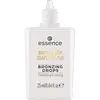
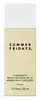
Essence Drop Of Sunshine Bronzing Drops Versus Summer Fridays ShadeDrops Broad Spectrum SPF 30 Mineral Milk Sunscreen
This hybrid sunscreen covers the full UV range and blocks ~97% of UVB at SPF 30.


What's inside
What's inside
 Key Ingredients
Benefits
Concerns
Ingredients Side-by-side
Water
Skin ConditioningHydrogenated Polyisobutene
EmollientGlycerin
Humectant


Mica
Cosmetic ColorantHydroxyethyl Acrylate/Sodium Acryloyldimethyl Taurate Copolymer
Emulsion StabilisingTocopherol
Antioxidant





Lauryl Glucoside
CleansingPolyglyceryl-6 Laurate
Emulsifying

Hydrolyzed Jojoba Esters
Skin Conditioning
Boron Nitride
Absorbent
Myristyl Glucoside
CleansingEthylhexylglycerin
Skin ConditioningSorbitan Isostearate
Emulsifying
Xanthan Gum
EmulsifyingCitric Acid
Buffering
Sodium Citrate
BufferingPhenoxyethanol
Preservative
Parfum
Masking



Tin Oxide
Abrasive
CI 77491
Cosmetic ColorantCI 77492
Cosmetic ColorantCI 77499
Cosmetic ColorantCI 77891
Cosmetic ColorantWater, Hydrogenated Polyisobutene, Glycerin, Mica, Hydroxyethyl Acrylate/Sodium Acryloyldimethyl Taurate Copolymer, Tocopherol, Lauryl Glucoside, Polyglyceryl-6 Laurate, Hydrolyzed Jojoba Esters, Boron Nitride, Myristyl Glucoside, Ethylhexylglycerin, Sorbitan Isostearate, Xanthan Gum, Citric Acid, Sodium Citrate, Phenoxyethanol, Parfum, Tin Oxide, CI 77491, CI 77492, CI 77499, CI 77891
Zinc Oxide 9.4%
Cosmetic Colorant

Water
Skin ConditioningC12-15 Alkyl Benzoate
AntimicrobialSorbitan Oleate Decylglucoside Crosspolymer
CleansingArgania Spinosa Kernel Oil
Emollient

Tocopheryl Acetate
Antioxidant
Ammonium Acryloyldimethyltaurate/Vp Copolymer
Glycerin
Humectant
Caramel
Cosmetic ColorantPolyester-5
Squalane
Emollient
Butyrospermum Parkii Butter Extract
Skin Conditioning
Bisabolol
Antioxidant
Phospholipids
Skin Conditioning
Tocopherol
Antioxidant
Ethyl Ferulate
Antioxidant
Urea
Buffering

Ethylhexylglycerin
Skin ConditioningGluconolactone
Chelating


Triethoxycaprylylsilane

Dimethicone
Emollient
Sodium Chloride
MaskingBenzyl Alcohol
Perfuming

Sodium Benzoate
Masking
Sorbic Acid
Preservative
Chlorphenesin
Antimicrobial
Phenoxyethanol
Preservative
Zinc Oxide 9.4%, Water, C12-15 Alkyl Benzoate, Sorbitan Oleate Decylglucoside Crosspolymer, Argania Spinosa Kernel Oil, Tocopheryl Acetate, Ammonium Acryloyldimethyltaurate/Vp Copolymer, Glycerin, Caramel, Polyester-5, Squalane, Butyrospermum Parkii Butter Extract, Bisabolol, Phospholipids, Tocopherol, Ethyl Ferulate, Urea, Ethylhexylglycerin, Gluconolactone, Triethoxycaprylylsilane, Dimethicone, Sodium Chloride, Benzyl Alcohol, Sodium Benzoate, Sorbic Acid, Chlorphenesin, Phenoxyethanol
Reviews
Ingredients Explained
These ingredients are found in both products.
Ingredients higher up in an ingredient list are typically present in a larger amount.
Ethylhexylglycerin is created from glycerin. It is a multitasker ingredient that:
The CIR Expert Panel found minimal skin absorption or sensitization of any kind in a safety assessment. Though this ingredient is considered well-tolerated, a small number of cases of allergic dermatitis have been published since 2002. Just be sure to patch test if you are unsure.
Industry-reported use ranges from 8% in rinse-off products and 2% in leave-on formulations.
Learn more about EthylhexylglycerinGlycerin (or glycerol) is a compound naturally found in your skin. It's a powerhouse humectant that pulls water into the stratum corneum.
Topically, glycerin does several things at once:
Your skin makes glycerin on its own (mostly from sebaceous oil breakdown) and shuttles it to your outermost layer of skin, or your epidermis, via aquaporin-3.
Aquaporin-3 is a transporter that is essential for normal skin hydration, elasticity, and repair. Interestingly, mice lacking in AQP3 have dry and less elastic skin that can be fully corrected with glycerin.
This ingredient is non-irritating, plays well with almost every ingredient, and works across all skin types. Typical use is anywhere between 3-10% but can go up to 79% in some leave-on products.
Just know very high concentrations (>40%) can feel tacky in low humidity.
Glycerin is the name for this ingredient in American English. British English uses Glycerol/Glycerine.
Learn more about GlycerinPhenoxyethanol is one of the most widely used preservatives in skincare (and for good reason!).
It has a large spectrum of antimicrobial activity and especially effective bacteria, yeast, and mold while only having a weak effect on your skin's natural microbiome.
On a cellular level, it disrupts the cell membranes of microbes by poking holes that make the cell leak. This shuts down the chemical reactions the microbe needs to make energy so it can no longer survive.
Another perk of this ingredient is that it stays functional across a wide pH range (3-10).
You'll often see it paired with boosters like Ethylhexylglycerin; one study showed that a 1:9 ratio of Ethylhexylglycerin to Phenoxyethanol damages bacterial membranes as effectively as doubling the Phenoxyethanol concentration on its own.
Typical use concentrations range from 0.3-1% depending on the formula, and this ingredient is capped at 1% int the EU.
Safety-wise, the fear mongering does not hold up to the evidence. The EU's Scientific Committee on Consumer Safety and FDA consider it safe as a preservative at up to 1%, including for children of all ages.
Adverse systemic effects only showed up in animal studies at exposures roughly 200x higher than what people get from cosmetics. And despite its very widespread use, this ingredient is a rare sensitizer and allergic reactions are uncommon.
Learn more about PhenoxyethanolTocopherol is a fat-soluble antioxidant known as Vitamin E.
You'll find this ingredient in the vast majority of skincare (for good reason). It works to neutralize free radicals, or unstable molecules generated by UV exposure, pollution, and other environmental stressors, before they can cause oxidative damage to your skin cells.
Topically applied tocopherol has been shown to protect against UV damage by ramping up the skin's own natural defense enzymes.
It also acts as a skin conditioning agent; some studies show that regular topical use can improve the skin's water-binding capacity over 2-4 weeks.
This ingredient is especially loved for being a team player. When combined with Vitamin C, the photoprotective effect of both ingredients roughly doubles and the combo also helps reduce UV-induced DNA damage.
This ingredient has some brightening potential but it's more of a prevention ingredient than spot-fader. Cell studies show it can slow down melanin production but it's worth noting that it's not the most powerful brightener out there.
In formulations, it also serves as a stabilizer that helps protect other oxidation-prone ingredients from degrading.
Concentrations usually range from 0.1-1% in most leave-on products.
Learn more about TocopherolWater. It's the most common cosmetic ingredient of all. You'll usually see it at the top of ingredient lists, meaning that it makes up the largest part of the product.
So why is it so popular? Water most often acts as a solvent - this means that it helps dissolve other ingredients into the formulation.
You'll also recognize water as that liquid we all need to stay alive. If you see this, drink a glass of water. Remember to stay hydrated!
Learn more about Water

