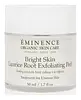
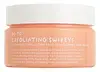
Eminence Organics Bright Skin Licorice Root Exfoliating Peel Versus Go-To Skincare Exfoliating Swipeys
This brightening exfoliator is formulated around Glycyrrhiza Glabra Root Extract and Salix Alba Bark Extract to fade the look of dark spots and refine skin texture.
This smoothing exfoliator is formulated around Lactic Acid to refine skin texture and brighten dull-looking skin.


What's inside
What's inside
 Key Ingredients
Benefits
Concerns
Ingredients Side-by-side
Aloe Barbadensis Leaf Juice
Skin Conditioning


Helianthus Annuus Seed Oil
Emollient


Glycyrrhiza Glabra Root Extract
Bleaching



Citrus Limon Peel Extract
EmollientCymbopogon Citratus Extract
Skin ConditioningSalix Alba Bark Extract
Astringent
Arctostaphylos Uva-Ursi Leaf Extract
Skin Conditioning
Mentha Piperita Leaf Extract
Skin ConditioningRosmarinus Officinalis Leaf Extract
AntimicrobialSalvia Officinalis Extract
Antimicrobial
Alcohol Denat.
Antimicrobial



Propanediol
Solvent
Lactic Acid
Buffering



Sodium Citrate
BufferingArginine
Masking
Polysorbate 20
Emulsifying
Bellis Perennis Extract
Skin ConditioningWater
Skin ConditioningGlycerin
Humectant
Caesalpinia Spinosa Gum
Skin ConditioningHypoxis Rooperi Rhizome Extract
Skin ConditioningMandelic Acid
Antimicrobial
Niacinamide
Smoothing
Azelaic Acid
Buffering
Adansonia Digitata Pulp Extract
EmollientXanthan Gum
EmulsifyingChamomilla Recutita Extract
Skin Conditioning
Calendula Officinalis Extract
Skin Conditioning
Salix Nigra Bark Extract
Skin ProtectingLavandula Angustifolia Flower Extract
Cleansing
Salvia Sclarea Oil
Masking
Melaleuca Alternifolia Leaf Oil
Antioxidant

Hydrolyzed Gardenia Florida Extract
Antioxidant
Maltodextrin
Absorbent
Caramel
Cosmetic ColorantHeptyl Glucoside
SurfactantTropolone
Skin Conditioning1,2-Hexanediol
Skin Conditioning
Caprylyl Glycol
Emollient
Gluconolactone
Chelating
Sodium Benzoate
Masking
Calcium Gluconate
HumectantEuterpe Oleracea Fruit Extract
Citrus Limon Juice
Skin Conditioning
Malpighia Glabra Fruit Extract
Skin ConditioningEmblica Officinalis Fruit Extract
Skin ConditioningAdansonia Digitata Fruit Extract
EmollientMyrciaria Dubia Fruit Extract
Skin ConditioningDaucus Carota Sativa Root Extract
Skin Conditioning
Cocos Nucifera Water
Masking
Lycium Barbarum Fruit Extract
Astringent
Aloe Barbadensis Leaf Juice, Helianthus Annuus Seed Oil, Glycyrrhiza Glabra Root Extract, Citrus Limon Peel Extract, Cymbopogon Citratus Extract, Salix Alba Bark Extract, Arctostaphylos Uva-Ursi Leaf Extract, Mentha Piperita Leaf Extract, Rosmarinus Officinalis Leaf Extract, Salvia Officinalis Extract, Alcohol Denat., Propanediol, Lactic Acid, Sodium Citrate, Arginine, Polysorbate 20, Bellis Perennis Extract, Water, Glycerin, Caesalpinia Spinosa Gum, Hypoxis Rooperi Rhizome Extract, Mandelic Acid, Niacinamide, Azelaic Acid, Adansonia Digitata Pulp Extract, Xanthan Gum, Chamomilla Recutita Extract, Calendula Officinalis Extract, Salix Nigra Bark Extract, Lavandula Angustifolia Flower Extract, Salvia Sclarea Oil, Melaleuca Alternifolia Leaf Oil, Hydrolyzed Gardenia Florida Extract, Maltodextrin, Caramel, Heptyl Glucoside, Tropolone, 1,2-Hexanediol, Caprylyl Glycol, Gluconolactone, Sodium Benzoate, Calcium Gluconate, Euterpe Oleracea Fruit Extract, Citrus Limon Juice, Malpighia Glabra Fruit Extract, Emblica Officinalis Fruit Extract, Adansonia Digitata Fruit Extract, Myrciaria Dubia Fruit Extract, Daucus Carota Sativa Root Extract, Cocos Nucifera Water, Lycium Barbarum Fruit Extract

Ingredients Explained
These ingredients are found in both products.
Ingredients higher up in an ingredient list are typically present in a larger amount.
Alcohol Denat. is an alcohol with a denaturant property. It is created by mixing ethanol with other additives.
The "denat" part just means "denatured"; common denaturants include Denatonium Benzoate, t-butyl alcohol, and Diethyl Phthalate. This step makes the alcohol undrinkable (and lets brand skip taxes related to beverage alcohol).
This ingredient gets a bad rep because it is irritating and drying due to its astringent property. Astringents draw out natural oils in tissue to constrict pores and dry out your skin.
However, alcohol denat. is not all that bad.
Due to its low molecular weight, alcohol denat. tends to evaporate quickly. One study on pig skin found half of applied alcohol evaporated in 10 seconds and less than 3% stayed on skin.
This also helps other ingredients become better absorbed upon application.
Studies are conflicted about whether this ingredient causes skin dehydration. One study from 2005 found adding emollients to propanol-based sanitizer decreased skin dryness and irritation. Another study found irritation only occurs if your skin is already damaged.
Small amounts of alcohol are generally tolerated by oily skin or people who live in humid environments.
The rule of thumb is this ingredient will probably not affect your skin much if it is near the end of an ingredients list.
One thing to note:
People with ALDH2 (aldehyde dehydrogenase 2) deficiency may experience skin irritation from continued alcohol use. About 8% of the world's population have this deficiency.
The Cosmetic Ingredient Review Expert Panel has determined denatured alcohols to be safe for use in concentrations between 0.05% and 12% (depending on which denaturant is used).
Also...
This ingredient has antimicrobial and solvent properties.
The antimicrobial property helps preserve products and increase their shelf life. As a solvent, it helps dissolve other ingredients.
Look for formulas that contain glycerin, hyaluronic acid, or panthenol if you want to offset any drying effect.
This ingredient will trip away your skin's natural oils/lipids that help it lock in moisture. This can worsen dryness, trigger eczema flare-ups, and aggravate rosacea.
Be sure to patch test any product with this ingredient if you have dry or sensitive skin, eczema, or rosacea.
Learn more about Alcohol Denat.Aloe Barbadensis Leaf Juice is the filtered, stabilized liquid pressed from the inner gel of the aloe vera leaf.
In cosmetics, it shows up as either soothing active or a water-replacement base. It is roughly 98-99% water and the last 1-2% is an interesting mix of polysaccharides, amino acids, vitamins, minerals, and enzymes.
The polysaccharides do most of the work: they bind water at the skin surface for a light, non-greasy hydration boost. And one of the polysaccharides, glycomannan, is linked to fibroblast stimulation + collagen synthesis. This is also why aloe has such a long track record in wound and burn healing.
This ingredient is also calming with anti-inflammatory and mild antimicrobial activity, making it a great pick for sensitive, irritated, or post-sun skin.
Realistic expectations matter though; the solid evidence is mostly limited to hydration, soothing, and wound support. Deeper claims about anti-aging or sun protection are not well backed, and science reviews note it does not prevent radiation-induced skin injury.
Because it plays well with almost everything, it's commonly used as a base alongside other actives like niacinamide or vitamin C.
Typical usage concentrations range from 0.5% (where hydration benefits already show up) all the way to 90%+ (where it replaces water as the main base).
The safety for this ingredient is well-establish as well. Overall, this is a great supporting ingredient for those who want a boost in hydration.
Learn more about Aloe Barbadensis Leaf JuiceLactic Acid is another well-loved alpha hydroxy acid (AHA). It is gentler than glycolic acid but still highly effective.
Its main role is to exfoliate the surface of the skin by loosening the “glue” that holds dead skin cells together. Shedding those old cells leads to smoother, softer, and more even-toned skin.
Because lactic acid molecules are larger than glycolic acid, they don’t penetrate as deeply. This means they’re less likely to sting or irritate, making it a great choice for beginners or those with sensitive skin.
Like glycolic acid, it can:
Lactic acid also acts as a humectant (like hyaluronic acid). It can draw water into the skin to improve hydration and also plays a role in the skin's natural moisturizing factor (NMF) in the form of sodium lactate.
Studies show it can boost ceramide production to strengthen the skin barrier and even help balance the skin’s microbiome.
To get results, choose products with a pH between 3-4.
Lower strengths (5-12%) focus on surface exfoliation; higher strengths (12% and up) can reach deeper in the dermis (deeper, supportive layer) to improve skin texture and firmness over time.
Though it was originally derived from milk, most modern lactic acid used in skincare is vegan. It is made through non-dairy fermentation to create a bio-identical and stable form suitable for all formulations.
When lactic acid shows up near the end of an ingredient list, it usually means the brand added just a tiny amount to adjust the product’s pH.
Legend has it that Cleopatra used to bathe in sour milk to help reduce wrinkles.
Lactic acid is truly a gentle multitasker: it exfoliates, hydrates, strengthens, and brightens. It's a great ingredient for giving your skin a smooth, glowing, and healthy look without the harshness of stronger acids.
Read more about some other popular AHA's here:
Learn more about Lactic AcidPolysorbate 20 is a gentle, water-soluble emulsifier and mild surfactant. It stops oil and water from separating to keep your formulas blended and stable.
It also acts as a mild penetration enhancer by helping active ingredients absorb slightly better.
The common safety discussion around this ingredient involves a manufacturing byproduct called 1,4-dioxane.
Trace amounts can form during production but the EU's Scientific Committee on Consumer Safety has concluded that levels at/below 10 ppm in finished products are safe (commercial products consistently fall within acceptable margins).
True allergic reactions are uncommon and the CIR Expert Panel has confirmed this ingredient to be safe as used in cosmetics.
Because it is derived from lauric acid, it may not be fungal acne safe.
Learn more about Polysorbate 20Propanediol is an all-star ingredient. It softens, hydrates, and smooths the skin.
It’s often used to:
Propanediol is not likely to cause sensitivity and considered safe to use. It is derived from corn or petroleum with a clear color and no scent.
Learn more about PropanediolSodium Citrate is the sodium salts of citric acid. In skincare, it is used to alter pH levels and acts as a preservative.
Its main functions are to maintain the pH of a product and neutralize metal ions.
The acidity of our skin is maintained by our glands and skin biome; normal pH level of skin is slightly acidic (~4.75-5.5).
Being slightly acidic allows our skin to create an "acid mantle". This acid mantle is a thin barrier that protects our skin from bacteria and contaminants.
Learn more about Sodium CitrateWater. It's the most common cosmetic ingredient of all. You'll usually see it at the top of ingredient lists, meaning that it makes up the largest part of the product.
So why is it so popular? Water most often acts as a solvent - this means that it helps dissolve other ingredients into the formulation.
You'll also recognize water as that liquid we all need to stay alive. If you see this, drink a glass of water. Remember to stay hydrated!
Learn more about Water

