

What's inside
What's inside
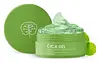 Key Ingredients
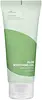
No key ingredients
Benefits
Concerns
No concerns
Ingredients Side-by-side

Aloe Barbadensis Leaf Juice
Skin Conditioning


Water
Skin ConditioningButylene Glycol
Humectant
Glycerin
Humectant
Centella Asiatica Extract
Cleansing

Camellia Sinensis Leaf Extract
Antimicrobial



Glycyrrhiza Glabra Root Extract
Bleaching
Sodium Hyaluronate
Humectant
Betaine
Humectant
Trehalose
Humectant
Punica Granatum Extract
AstringentFicus Carica Fruit Extract
Humectant
Morus Alba Fruit Extract
Antioxidant
Luffa Cylindrica Fruit Extract
Skin ConditioningGinkgo Biloba Nut Extract
Skin ConditioningAloe Barbadensis Leaf Extract
Emollient
Hydrolyzed Hyaluronic Acid
Humectant
Hydroxypropyltrimonium Hyaluronate
Hyaluronic Acid
Humectant
Sodium Hyaluronate Crosspolymer
Humectant
Raspberry Ketone
Masking

Polyglutamic Acid
Skin Conditioning
Methylpropanediol
SolventAllantoin
Skin Conditioning
Panthenol
Skin Conditioning
Arginine
Masking
Benzyl Glycol
SolventHydroxyacetophenone
Antioxidant
Ethylhexylglycerin
Skin ConditioningCaprylyl Glycol
Emollient
Citric Acid
Buffering

Dipropylene Glycol
HumectantDipotassium Glycyrrhizate
Humectant
Carbomer
Emulsion Stabilising1,2-Hexanediol
Skin Conditioning
Aloe Barbadensis Leaf Juice, Water, Butylene Glycol, Glycerin, Centella Asiatica Extract, Camellia Sinensis Leaf Extract, Glycyrrhiza Glabra Root Extract, Sodium Hyaluronate, Betaine, Trehalose, Punica Granatum Extract, Ficus Carica Fruit Extract, Morus Alba Fruit Extract, Luffa Cylindrica Fruit Extract, Ginkgo Biloba Nut Extract, Aloe Barbadensis Leaf Extract, Hydrolyzed Hyaluronic Acid, Hydroxypropyltrimonium Hyaluronate, Hyaluronic Acid, Sodium Hyaluronate Crosspolymer, Raspberry Ketone, Polyglutamic Acid, Methylpropanediol, Allantoin, Panthenol, Arginine, Benzyl Glycol, Hydroxyacetophenone, Ethylhexylglycerin, Caprylyl Glycol, Citric Acid, Dipropylene Glycol, Dipotassium Glycyrrhizate, Carbomer, 1,2-Hexanediol
Reviews
Ingredients Explained
These ingredients are found in both products.
Ingredients higher up in an ingredient list are typically present in a larger amount.
Aloe Barbadensis Leaf Juice is the filtered, stabilized liquid pressed from the inner gel of the aloe vera leaf.
In cosmetics, it shows up as either soothing active or a water-replacement base. It is roughly 98-99% water and the last 1-2% is an interesting mix of polysaccharides, amino acids, vitamins, minerals, and enzymes.
The polysaccharides do most of the work: they bind water at the skin surface for a light, non-greasy hydration boost. And one of the polysaccharides, glycomannan, is linked to fibroblast stimulation + collagen synthesis. This is also why aloe has such a long track record in wound and burn healing.
This ingredient is also calming with anti-inflammatory and mild antimicrobial activity, making it a great pick for sensitive, irritated, or post-sun skin.
Realistic expectations matter though; the solid evidence is mostly limited to hydration, soothing, and wound support. Deeper claims about anti-aging or sun protection are not well backed, and science reviews note it does not prevent radiation-induced skin injury.
Because it plays well with almost everything, it's commonly used as a base alongside other actives like niacinamide or vitamin C.
Typical usage concentrations range from 0.5% (where hydration benefits already show up) all the way to 90%+ (where it replaces water as the main base).
The safety for this ingredient is well-establish as well. Overall, this is a great supporting ingredient for those who want a boost in hydration.
Learn more about Aloe Barbadensis Leaf JuiceGlycerin (or glycerol) is a compound naturally found in your skin. It's a powerhouse humectant that pulls water into the stratum corneum.
Topically, glycerin does several things at once:
Your skin makes glycerin on its own (mostly from sebaceous oil breakdown) and shuttles it to your outermost layer of skin, or your epidermis, via aquaporin-3.
Aquaporin-3 is a transporter that is essential for normal skin hydration, elasticity, and repair. Interestingly, mice lacking in AQP3 have dry and less elastic skin that can be fully corrected with glycerin.
This ingredient is non-irritating, plays well with almost every ingredient, and works across all skin types. Typical use is anywhere between 3-10% but can go up to 79% in some leave-on products.
Just know very high concentrations (>40%) can feel tacky in low humidity.
Glycerin is the name for this ingredient in American English. British English uses Glycerol/Glycerine.
Learn more about GlycerinGlycyrrhiza Glabra Root Extract is an extract of the roots of Licorice. It has been found to have several benefits such as skin hydrating, conditioning, and soothing.
One component, glabridin, has extra potent antioxidant and soothing properties. It has also been found to block pigmentation from UVB rays in guinea pigs.
Licorice Root also contains a flavonoid. Flavonoids are a natural substance from in plants. Flavonoids also have antioxidant properties.
Another component, glycyrrhizin, has been found to have anti-inflammatory and antimicrobial benefits. This may make licorice root extract effective at treating acne. However, more research is needed to support this.
Liquiritin is one of the flavone compounds found in licorice. It has been found to help lighten skin by preventing tyrosinase from reacting with tyrosine. When the two react, protein is converted to melanin. Melanin is the substance in your body that gives your features pigmentation.
Learn more about Glycyrrhiza Glabra Root Extract

