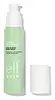
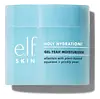
e.l.f. cosmetics Blemish Breakthrough Acne Calming Water Cream Versus e.l.f. cosmetics Holy Hydration! Gel-Yeah Moisturizer
This acne moisturizer is formulated around Salicylic Acid and Niacinamide to clear breakouts and calm redness.

What's inside
What's inside
 Key Ingredients
Benefits
Concerns
Ingredients Side-by-side
Salicylic Acid 1%
Masking










Water
Skin ConditioningNiacinamide
Smoothing






Glycerin
Humectant
Silica
Abrasive
Propanediol
Solvent
Isododecane
EmollientTranexamic Acid
Astringent
Glyceryl Stearate Citrate
Emollient
C12-15 Alkyl Benzoate
AntimicrobialAcetyl Glucosamine
Skin Conditioning
Tromethamine
BufferingAluminum Starch Octenylsuccinate
Absorbent
Phenoxyethanol
Preservative
Cetearyl Alcohol
Emollient



Capryloyl Glycine
CleansingPotassium Cetyl Phosphate
EmulsifyingAcrylates/C10-30 Alkyl Acrylate Crosspolymer
Emulsion StabilisingAllantoin
Skin Conditioning
Xanthan Gum
EmulsifyingCaprylyl Glycol
Emollient
Ethylhexylglycerin
Skin ConditioningTocopherol
Antioxidant

Helianthus Annuus Seed Oil
Emollient
Disodium EDTA
ChelatingCaprylic Acid
CleansingCI 77288
Cosmetic ColorantCI 77492
Cosmetic ColorantSalicylic Acid 1%, Water, Niacinamide, Glycerin, Silica, Propanediol, Isododecane, Tranexamic Acid, Glyceryl Stearate Citrate, C12-15 Alkyl Benzoate, Acetyl Glucosamine, Tromethamine, Aluminum Starch Octenylsuccinate, Phenoxyethanol, Cetearyl Alcohol, Capryloyl Glycine, Potassium Cetyl Phosphate, Acrylates/C10-30 Alkyl Acrylate Crosspolymer, Allantoin, Xanthan Gum, Caprylyl Glycol, Ethylhexylglycerin, Tocopherol, Helianthus Annuus Seed Oil, Disodium EDTA, Caprylic Acid, CI 77288, CI 77492
Water
Skin ConditioningButylene Glycol
Humectant
Trehalose
Humectant
Bis-PEG-18 Methyl Ether Dimethyl Silane
EmollientDiglycerin
Humectant
Squalane
Emollient
Opunta Dillenii Extract
Allantoin
Skin Conditioning
Sodium Hyaluronate
Humectant
Tocopherol
Antioxidant
Dipropylene Glycol
HumectantAcrylates/C10-30 Alkyl Acrylate Crosspolymer
Emulsion StabilisingArginine
Masking
Hydroxyacetophenone
Antioxidant
1,2-Hexanediol
Skin Conditioning
Dimethicone
Emollient
Disodium EDTA
ChelatingParfum
Masking

Geraniol
Perfuming
Linalool
Perfuming
Water, Butylene Glycol, Trehalose, Bis-PEG-18 Methyl Ether Dimethyl Silane, Diglycerin, Squalane, Opunta Dillenii Extract, Allantoin, Sodium Hyaluronate, Tocopherol, Dipropylene Glycol, Acrylates/C10-30 Alkyl Acrylate Crosspolymer, Arginine, Hydroxyacetophenone, 1,2-Hexanediol, Dimethicone, Disodium EDTA, Parfum, Geraniol, Linalool
Reviews
Ingredients Explained
These ingredients are found in both products.
Ingredients higher up in an ingredient list are typically present in a larger amount.
Acrylates/C10-30 Alkyl Acrylate Crosspolymer is a synthetic polymer. It is used to thicken, emulsify, and improve the texture of products.
As an emulsifier, it helps stabilize oil-in-water emulsions to give products an elegant feel when applied.
It can also form a thin protective film on skin. One study found that a formula using this polymer helped slow down how quickly other ingredients (like DEET) were absorbed through skin.
A 2024 study of over 1,300 patients confirmed that sensitization to this ingredient is rare. It is also non-mutagenic and has a clean track record.
Learn more about Acrylates/C10-30 Alkyl Acrylate CrosspolymerAllantoin is a soothing ingredient known for its protective and moisturizing properties; it's basically a quiet workhorse ingredient you can find in a huge range of cosmetics.
Though it can be derived from the comfrey plant, allantoin is produced synthetically for cosmetic products to ensure purity.
Research shows it can encourage your skin cells to turn over and renew by stimulating keratinocyte and fibroblast proliferation.
It also has mild keratolytic properties to help loosen and shed dead skin cells without being harsh.
Studies also suggest allantoin can help calm inflammation by dialing down some of the chemical signals your skin sends out when it is irritated.
This ingredient is typically used in the 0.1-0.5% range, and the FDA recognizes it as a skin protectant in OTC products up to 2%.
Overall, allantoin is a wonderful addition to most routines; it is stable across a wide pH range (~4-8), works well with other ingredients, and is considered non-sensitizing/non-irritating.
Fun fact: Allantoin is naturally occurring in comfrey root, beets, chamomile, and wheat sprouts. Our bodies even produce it as a byproduct of uric acid metabolism.
Learn more about AllantoinDisodium EDTA is a chelating agent. It grabs onto and deactivates metal ions that sneak into your products from water, packaging, or air.
This ingredient mainly works behind the scenes and helps with:
On top of that, this ingredient can counteract the effects of hard water by binding to the minerals in it.
One thing worth knowing is that Disodium EDTA has been shown to be a mild penetration enhancer. It can help other ingredients absorb into skin more effectively which can be a double-edged sword (great for actives, but can also make the active too strong if you have sensitive skin).
Clinical patch testing showed no significant skin irritation at typical use concentrations and minimal dermal absorption.
You'll most likely see this ingredient near the end of an ingredient list. It's typically found in concentrations less than 1%.
Learn more about Disodium EDTATocopherol is a fat-soluble antioxidant known as Vitamin E.
You'll find this ingredient in the vast majority of skincare (for good reason). It works to neutralize free radicals, or unstable molecules generated by UV exposure, pollution, and other environmental stressors, before they can cause oxidative damage to your skin cells.
Topically applied tocopherol has been shown to protect against UV damage by ramping up the skin's own natural defense enzymes.
It also acts as a skin conditioning agent; some studies show that regular topical use can improve the skin's water-binding capacity over 2-4 weeks.
This ingredient is especially loved for being a team player. When combined with Vitamin C, the photoprotective effect of both ingredients roughly doubles and the combo also helps reduce UV-induced DNA damage.
This ingredient has some brightening potential but it's more of a prevention ingredient than spot-fader. Cell studies show it can slow down melanin production but it's worth noting that it's not the most powerful brightener out there.
In formulations, it also serves as a stabilizer that helps protect other oxidation-prone ingredients from degrading.
Concentrations usually range from 0.1-1% in most leave-on products.
Learn more about TocopherolWater. It's the most common cosmetic ingredient of all. You'll usually see it at the top of ingredient lists, meaning that it makes up the largest part of the product.
So why is it so popular? Water most often acts as a solvent - this means that it helps dissolve other ingredients into the formulation.
You'll also recognize water as that liquid we all need to stay alive. If you see this, drink a glass of water. Remember to stay hydrated!
Learn more about Water

